
There are moments in medicine when you realize that what you were taught is incomplete. Not necessarily wrong, but insufficient. Watching “The Pink Pill: Sex, Drugs & Who Has Control” was one of those pivotal moments. The topic of female sexual dysfunction is not new, but drastically overlooked. This documentary exposes the structural gaps, biases, and missed opportunities that have defined women’s health for decades, and I urge you to watch it, not just for yourself, but for your patients.
As a rheumatologist, I spend my days caring for patients with complex autoimmune diseases, conditions that disproportionately affect women, often during the most demanding years of their lives. I talk about fatigue, pain, inflammation, fertility, pregnancy, and long-term health outcomes. But if I’m being honest, and I think many of us need to be, there are entire dimensions of health we have historically underaddressed. Sexual health is one of them.
This documentary doesn’t just tell a story about a drug. It tells a story about power, priorities, and who gets to define what “health” actually means. And for those of us practicing medicine today, it forces an uncomfortable but necessary question: Have we truly been treating the whole woman?
I break down three valuable takeaways from this film, and why they matter now more than ever.
1) Women’s Health Has Been Systematically Undervalued, and Sexual Health Is at the Top of the List
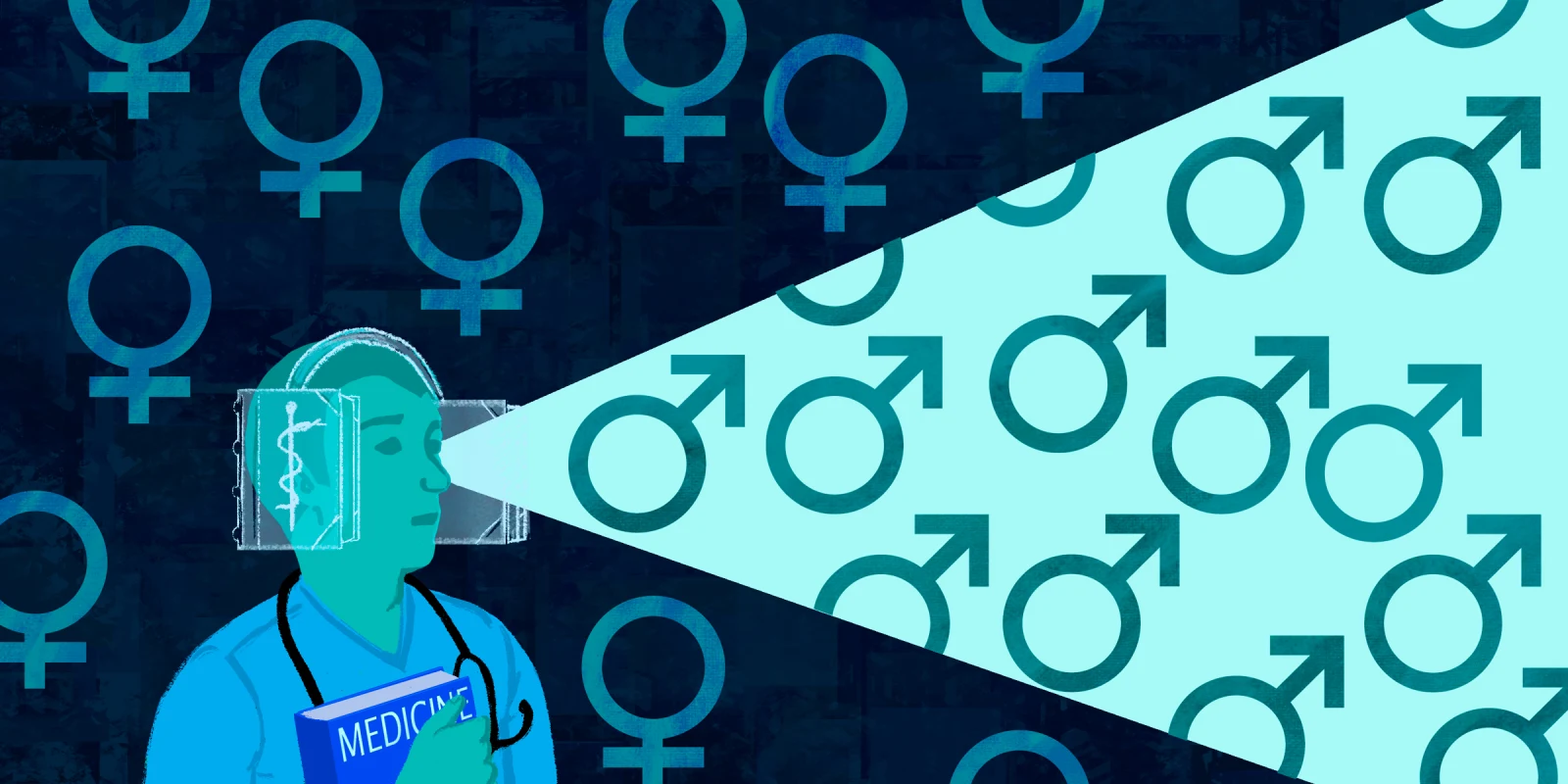
If you step back and look at the history of medical research and drug development, the pattern is hard to ignore. For decades, women were excluded from clinical trials due to concerns about hormonal variability and pregnancy risk. The result? A knowledge base built largely on male physiology, later generalized to women.
We see the downstream effects of that every day. Women are not just “opposite” versions of men. Female hormones, and then changing levels of hormones, create entirely different physiological changes in the female body.
Heart disease presents differently in women and is still grossly underdiagnosed. Autoimmune diseases disproportionately affect women, but often take years to diagnose. Pain is more likely to be minimized or attributed to psychological causes. Anxiety is often referred to as “hysteria” and is still undertreated because mood changes are seen as a response to “high levels of stress.”
And when it comes to sexual health, the gap becomes even more pronounced.
The documentary highlights the stark contrast between how male and female sexual dysfunction have been approached. Erectile dysfunction was rapidly medicalized, studied, funded, and treated with a clear biological target and a blockbuster pharmaceutical solution. Meanwhile, female sexual dysfunction was labeled as complex, multifactorial, and, at times, dismissed as nonessential.
But complexity is not an excuse for neglect. Female sexual health is influenced by neurobiology, hormones, vascular health, psychological well-being, relational dynamics, and sociocultural context. That doesn’t make it less legitimate; it actually makes it more deserving of rigorous, multidisciplinary attention.
The truth is, we’ve been comfortable prioritizing what is easily measurable over what is deeply meaningful. And that needs to change.
2) The “Pink Pill” Debate Misses the Bigger Point: This Is About Defining Health, Not Just Treating Dysfunction
Much of “The Pink Pill” centers around flibanserin, referred to as “female Viagra,” and the controversy surrounding its approval. Was it effective enough? Were the risks justified? Was there pressure from advocacy groups? Was this science, politics, or both?
These are valid questions. But focusing only on the drug risks missing the broader issue. What the debate actually reveals is a deeper tension within medicine: What qualifies as a legitimate health condition?
We have historically drawn a line between “life-threatening” and “quality-of-life” conditions, often placing sexual health firmly in the latter category. But that dichotomy is outdated and justifiably inaccurate.
Sexual health is not a luxury metric. It is a core component of physical, emotional, and relational well-being. For many women, especially those living with chronic illness, changes in libido, arousal, and sexual satisfaction are not trivial. They are often tied to identity, intimacy, mental health, and partnership dynamics. They can influence self-esteem, relationship stability, and overall life satisfaction.
In my own practice, I see this play out regularly. Patients managing autoimmune disease are navigating pain, fatigue, medication side effects, and hormonal changes. Add in the emotional burden of chronic illness, and it’s no surprise that sexual health is affected. But the problem isn’t just that these issues exist, it’s that they’re rarely addressed in a structured, proactive way.
We screen for cardiovascular risk. We monitor bone density. We discuss family planning. But how often are we asking about sexual function in a meaningful, evidence-based way?
The documentary challenges us to expand our definition of health, to include the domains that patients themselves value, even when they are harder to quantify. Because if we only treat what is easy to measure, we will continue to miss what matters most.
3) We Are at a Turning Point and Clinicians Have a Choice To Lead or Lag Behind
“The Pink Pill” highlights an important era of medicine today: the movement to support the midlife woman.
There is growing recognition that women’s health, particularly in areas like sexual function, menopause, and hormonal transitions, has been underserved. We are seeing increased media attention, more open conversations, and a new generation of patients who are not willing to accept silence as standard care. This is a pivotal moment.
But progress is not automatic. It requires intentional action from clinicians, researchers, and healthcare systems. It requires learning about a topic we were not taught about in our early medical education.
But first, we need to normalize the conversation. If we don’t ask, patients often won’t tell. Not because the issues aren’t present, but because they’ve been conditioned to believe that these concerns are secondary, or worse, not worth bringing up. A simple, direct question can open the door to a much deeper understanding of a patient’s lived experience.
Second, we need to build competency, not just awareness. Sexual health in women is complex, but that doesn’t mean it’s unlearnable. It means we need better education, better frameworks, and a more integrated approach that spans specialties. This includes understanding the impact of medications, hormonal shifts, chronic disease, mental health, and relationship dynamics.
Third, we need to advocate for better research. The gaps we see in clinical practice are a direct reflection of gaps in the literature. If we want evidence-based care, we need evidence. That means supporting studies that prioritize women’s health outcomes, not as an afterthought, but as a primary focus.
And finally, we need to reframe our role. We are not just managing diseases. We are optimizing health. We are building longevity in a world where the population is living longer.
That distinction matters.
Because when we broaden our lens to include sexual health, we are not adding another task to an already full checklist, we are aligning our care with what patients actually experience in their daily lives.
The Bottom Line: Treat the Whole Woman or Accept That You’re Practicing Incompletely
The most powerful takeaway from “The Pink Pill” isn’t just about a medication. It’s about perspective.
For too long, women’s health has been segmented into reproductive health in one silo, chronic disease in another, mental health somewhere else. Sexual health often falls through the cracks entirely. But patients don’t experience their bodies in silos. They experience them as integrated, dynamic systems where physical symptoms, emotional well-being, relationships, and identity all intersect.
When a woman tells you she is exhausted, in pain, disconnected from her partner, and struggling with her sense of self, those are not separate problems. They are different expressions of the same underlying reality: Her health is being affected at multiple levels. And if we only address one dimension, we are leaving the rest untreated. This is where the opportunity lies.
We can continue to operate within the traditional boundaries of medicine, focusing on what is measurable, familiar, and historically prioritized. Or we can evolve. We can choose to recognize that female sexual health is not peripheral: It is central.
We can choose to ask better questions, listen more closely, and integrate care in a way that reflects the complexity of the patients we serve. And we can choose to lead this shift. We can be at the forefront, or choose to be left out and left behind. Because the reality is, patients are already ahead of us.
They are asking for more comprehensive care. They are seeking answers beyond symptom management. They are redefining what it means to be healthy. The question is whether we are ready to meet them there.
“The Pink Pill” doesn’t give us all the answers. But it gives us something equally important: the idea to confront the gaps. What we do next will define the future of women’s health.
And that future should be built around treating the whole woman, not just the parts we were trained to prioritize.
How can clinicians better integrate whole-person care for women? Share in the comments.