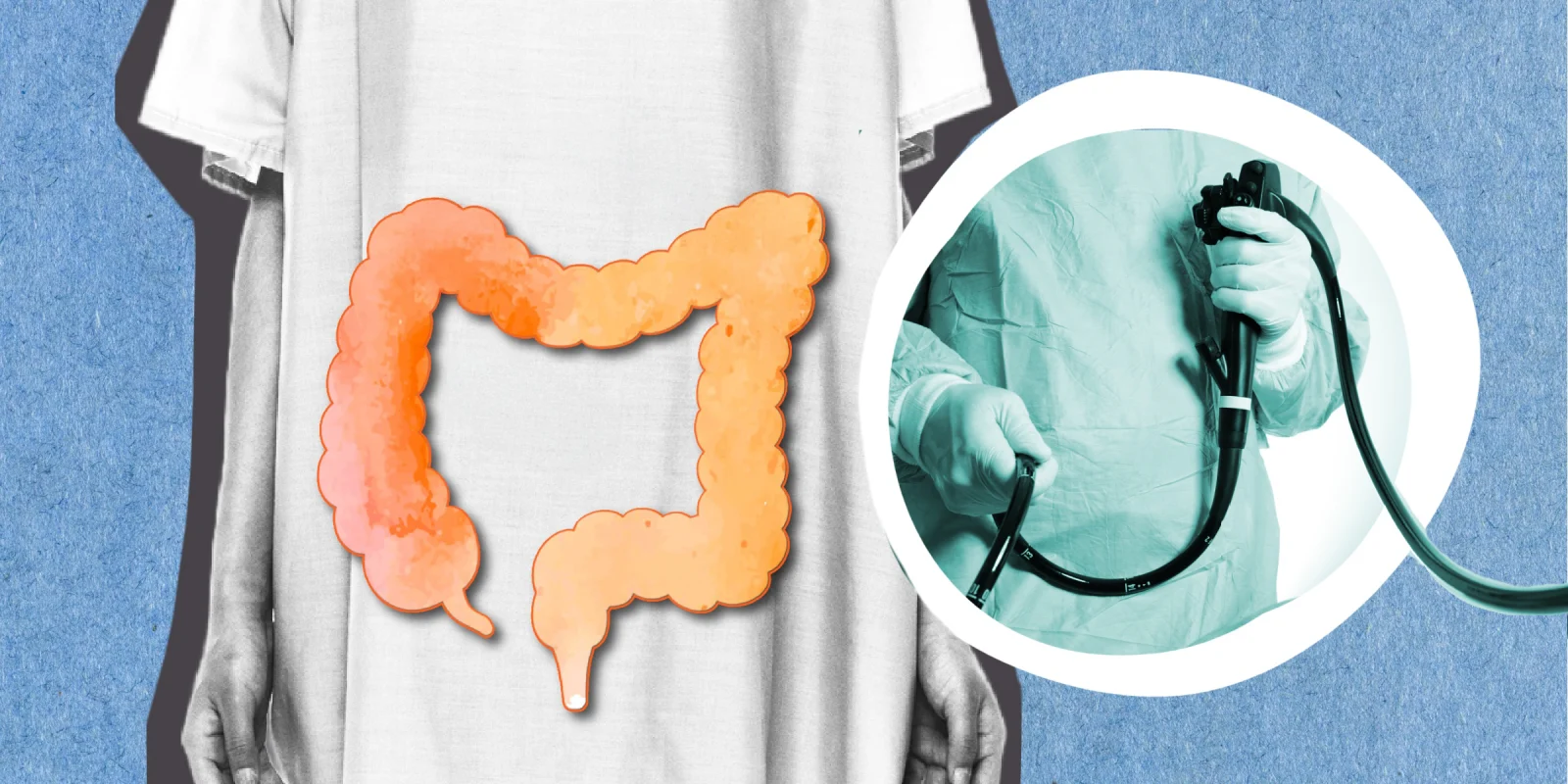

Some time ago, I reached a moment of decision while performing a medical procedure. The medical mission in question was a colonoscopy, a rather quotidian task for a GI proceduralist. Indeed, I’ve traveled this colonic pathway upwards of 40,000 times over my long career. While a colonoscopy is considered routine, at least for those of us who perform it, I try my best to remain on guard, as every case is vulnerable to complications. I am cautious by nature and apply this same vigilant philosophy when driving an automobile or participating in various life activities. No skydiving for me. A medical complication or a car accident is not predestined; they are both avoidable.
Every physician must determine their risk tolerance, a dynamic process that can change from patient to patient depending on individual circumstances. Two different physicians may have different risk-benefit analyses of the very same patient. And each of these doctors may be right. For instance, a proceduralist with advanced skill and expertise may comfortably take actions that a more junior colleague may hesitate to take. There is no universal risk-benefit standard.
As a gastroenterologist, I rely on my gut instincts to navigate these issues.
GI physicians assiduously review prior colonoscopy reports to learn the prior medical findings, adequacy of the laxative preparation, difficulty of the procedure, and presence of anatomic obstacles. My patient’s prior colonoscopy record indicated that the colon was tortuous, a term familiar to every gastroenterologist.
Tortuous? Sounds serious!
Not exactly. A twisted and tortuous colon is only an issue for the colonoscopist; it is not a medical illness. When I know in advance that a colon has anatomic challenges, I explain at the outset that technical difficulties may prevent me from completing the colonoscopy. Afterward, if the procedure is incomplete, then the patient is prepared for this outcome.
My risk tolerance in my outpatient endoscopy suite is much lower than it was during my prior hospital days. I no longer practice ICU gastroenterology, where our team would routinely perform high-stakes procedures in very risky scenarios. I now perform elective procedures on low-risk patients who have been carefully screened for various disqualifying medical issues. I am not in the lifesaving business anymore. But caution and prudence are just as essential.
So, I began the colonoscopy using a pediatric instrument, hoping this narrower tool would snake along the convoluted colon more easily. But I encountered a sharp angle that I could not traverse. I exchanged the colonoscope for an upper endoscope used for stomach exams, which is thin and highly flexible. Alas, I encountered the same result. Clearly, I had reached a fork in the road (or the colon)! My inability to advance was a danger signal — a flashing red light — warning me to exercise extreme care to avoid puncturing the colon, a dreaded and dreadful complication.
I had reached a decision point.
This asymptomatic patient walked into my office on her own power. The procedure was entirely elective. She expects and deserves to leave the endoscopy suite in the same condition as when she arrived. She trusts that I will exercise sober judgment on her behalf.
So what was my next move? Retreat! While it is rare for an experienced colonoscopist not to reach the end of the colon, it does happen. Obviously, the safety of the patient is sacrosanct, a much higher priority than completing the procedure. If tortuosity or another obstacle is impeding advancement of the scope, then we physicians need to listen carefully to the colon and heed its caveats.
I admit there is an ego effect when we gastroenterologists — or surgeons, cardiologists, interventional radiologists, or other proceduralists — cannot complete the medical mission. While this reaction may be understandable, one’s ego or pride must never interfere with exercising sound judgment to protect patients from harm.
Was my incomplete procedure an example of a lack of technical skill? Was I a quitter? Did tortuosity prevail? Was this a failed colonoscopy? Here’s a better way to describe what occurred: The patient won.
Proceduralists must always be vigilant, even in low-risk environments. Complacency can lead to disaster. I think the lesson here — practicing procedural restraint — is particularly important for newly issued gastroenterologists who may feel that failing to complete the examination is a failure to perform. This is utterly false, and I urge young specialists to disavow this erroneous belief.
Primum non nocere, or do no harm, is a timeless guidepost for all physicians. Seasoned practitioners have a deep sense of when restraint is preferable to action. We must set aside our biases and our egos in order to give our patients fair, balanced risk-benefit analyses so they can make informed decisions.
This critical judgment skill is not easily learned by reading medical journals or reliably assessed on multiple-choice examinations. I cannot offer a simple educational template or algorithm. It is an acquired practice skill that develops incrementally with time, experience, and good mentoring.
All of us face dilemmas, predicaments, and obstacles throughout life when we judiciously decide that our best option is to pause or to turn back. In my colonoscopy arena, when I choose to walk away, it means that a patient will also walk away safely.
Medical retreat does not mean surrender. It means that we elect to calmly leave the field to regroup and reflect on our next move. I call this a solid victory for our patients and for us.
Can you recall a time when you stopped or aborted a procedure for the benefit of the patient? Share in the comments!