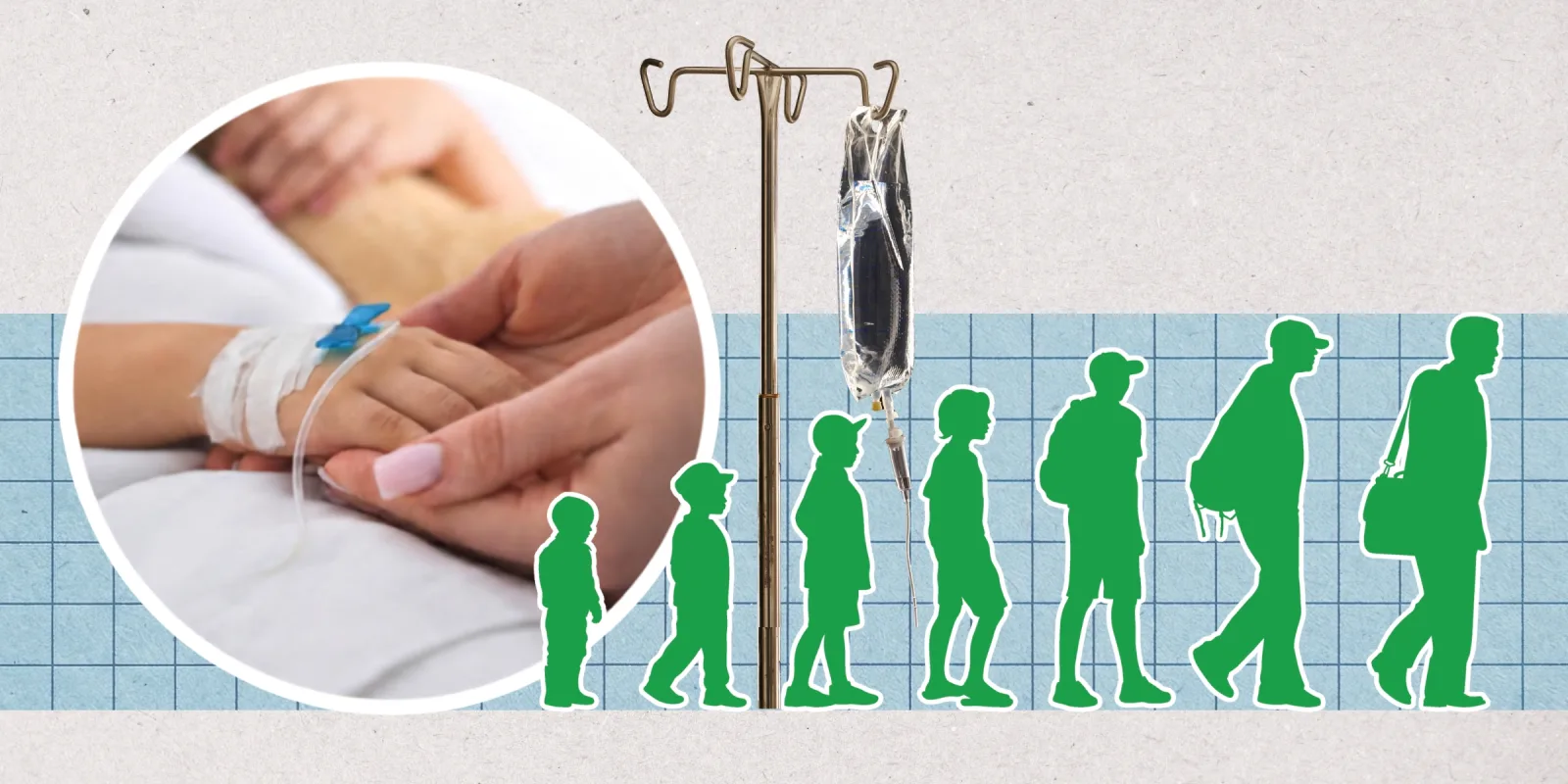

Cancer is the leading cause of disease-based deaths in children. Although it does not garner the same attention as October’s pink-laden National Breast Cancer Awareness Month, September is National Childhood Cancer Awareness Month. Approximately 15,000 children are diagnosed with cancer each year and about 1,600 will die from their disease. Despite that, there is a nearly 95% survival rate for some pediatric cancer patients. With advances in bone marrow transplant and other innovations, patients are living longer, both with low levels of disease and in remission as survivors. Clinicians, therefore, must learn how to assess and treat patients who have undergone chemotherapy, radiation, multiple surgeries, immunotherapy, and bone marrow transplants during formative times in their growth and development.
Understanding a Patient’s Past
Many physicians will care for a pediatric cancer survivor during their career. Though the child’s pediatric oncologist will be monitoring them for the duration of treatment and regularly for the first year or more after treatment, long-term effects and familiarity with a patient’s treatment course help the PCP to understand the overall health picture for a cancer survivor. When assessing symptoms that a patient is experiencing, it is helpful to understand the treatment they have already endured.
Chemotherapy is the most common treatment for all patients. It may be delivered intrathecally, orally, intravenously, intramuscular, subcutaneously, or into an Ommaya reservoir in the brain. Many chemotherapies come with some predictable side effects such as hair loss, mucositis, and nausea and vomiting. Depending on the type of chemotherapy used, a pediatric patient may have different symptoms to treat. For example, platinum agents (cisplatin, carboplatin, etc.) are nephrotoxic and ototoxic, and regular hearing tests are administered to assess the need for assistive devices.
Meanwhile, vincristine is one of the most common childhood cancer drugs. It can cause neuropathy in the feet and jaw, necessitating pharmaceutical interventions and physical therapy to address foot drop and other gait abnormalities. Other chemotherapy drugs, like anthracyclines, can affect the heart and cause cardiomyopathy, which should be monitored with echocardiograms at various intervals based on anthracycline dosing.
Even steroids, which can have excellent antineoplastic effects, can cause avascular necrosis, leading to the need for early joint replacement. Long-term effects from steroids include osteoporosis/osteopenia, diabetes, and skin changes.
Radiation is another treatment modality that is common in pediatric oncology. Not all patients receive radiation, but for those who do, they may have burns, skin discoloration, patchy hair growth (depending on location of the radiation), and damage to other organs within the radiation field. The effects of radiation on a growing body are different from those on an adult. Children who receive radiation for treatment of brain and spine tumors will experience shorter stature and may experience neurocognitive changes. Baseline neurocognitive testing is recommended but may need to be repeated at different intervals. Cognitive changes can include slower processing speed, learning disabilities, and memory issues. For patients with brain tumors, the location in the brain for the radiation can also predict some deficits that a child might experience. Pediatricians and PCPs may need to assist with providing medical rationale for accommodations in both the school and workplace.
Kidneys, liver, heart, and other organs can be damaged from treatment, sepsis, prolonged antimicrobial exposure, and long periods of bed rest. Clinicians will need to monitor organ function throughout the patient’s life, understanding that lab values or imaging may not be typical for age due to the treatment (e.g., history of iron overload secondary to transfusions may affect liver values or early osteoporosis due to long-term exposure to steroids). Early recognition of worsening labs or imaging can help to prevent premature end organ failure.
Total body irradiation, some chemotherapies, radiation, or surgery can lead to infertility. Depending on the age at diagnosis, there are few options for fertility preservation. More recently, there are concerted efforts to initiate fertility preservation prior to treatment, but options remain limited for the youngest patients and female patients, and all can come with steep costs. Discussing healthy behaviors, alternatives to childbearing (e.g., adoption or surrogacy), and patient goals shows the clinicians’ interest in the patient’s future and acknowledge some of the painful consequences of cancer treatment.
Supporting a Patient’s Future
When it comes to treating survivors of childhood cancer, physicians and members of the care team should familiarize themselves with treatment that was received. Many survivors are at increased risk of secondary cancers due to their treatment exposures, in addition to the known genetic and behavioral aspects of cancer.
Providing mental health resources or referrals can help survivors to process their experience and ongoing health challenges. Some survivors were young enough that they have no memory of treatment, but others were teenagers or young adults who had their lives interrupted at milestone moments. Survivor guilt, changes to their body, alterations in their life plans and expectations, and relationships with family members can have long-lasting consequences. Scholarships, camps, and other programs targeted toward cancer patients and survivors can help create shared experiences and new opportunities. These programs often need medical clearance, and clinicians can write letters of support or fill out paperwork as requested.
Physicians and APPs can also use their societal standing and expert knowledge to advocate on behalf of childhood cancer patients and survivors. In 2026, laws, including the Mikaela Naylon Give Kids a Chance Act, the Accelerating Kids' Access to Care Act, and federal funding through CDC and NCI, were passed in the congressional budget. Nevertheless, pediatric cancer funding is only about 4% of the overall NCI budget. These young people have endured some of the most grueling treatments, challenging protocols, constant uncertainty, and they deserve the funding and research that creates more survivors and hopefully, fewer patients.