
“You can’t eat soap,” my patient quietly told me. She was a long-time patient at our medical school’s student-run free clinic and someone I had grown close with over the years. When discussing her social determinants of health screen, she shared that her family could not afford both food and hygiene products, so they chose food. I was moved by her vulnerability to share about something that we were not even screening for. As executive co-director of this clinic serving low-income patients without insurance, I felt obligated to try to meet this need for our patients. I started by researching the cost of hygiene products and was shocked by what I found.
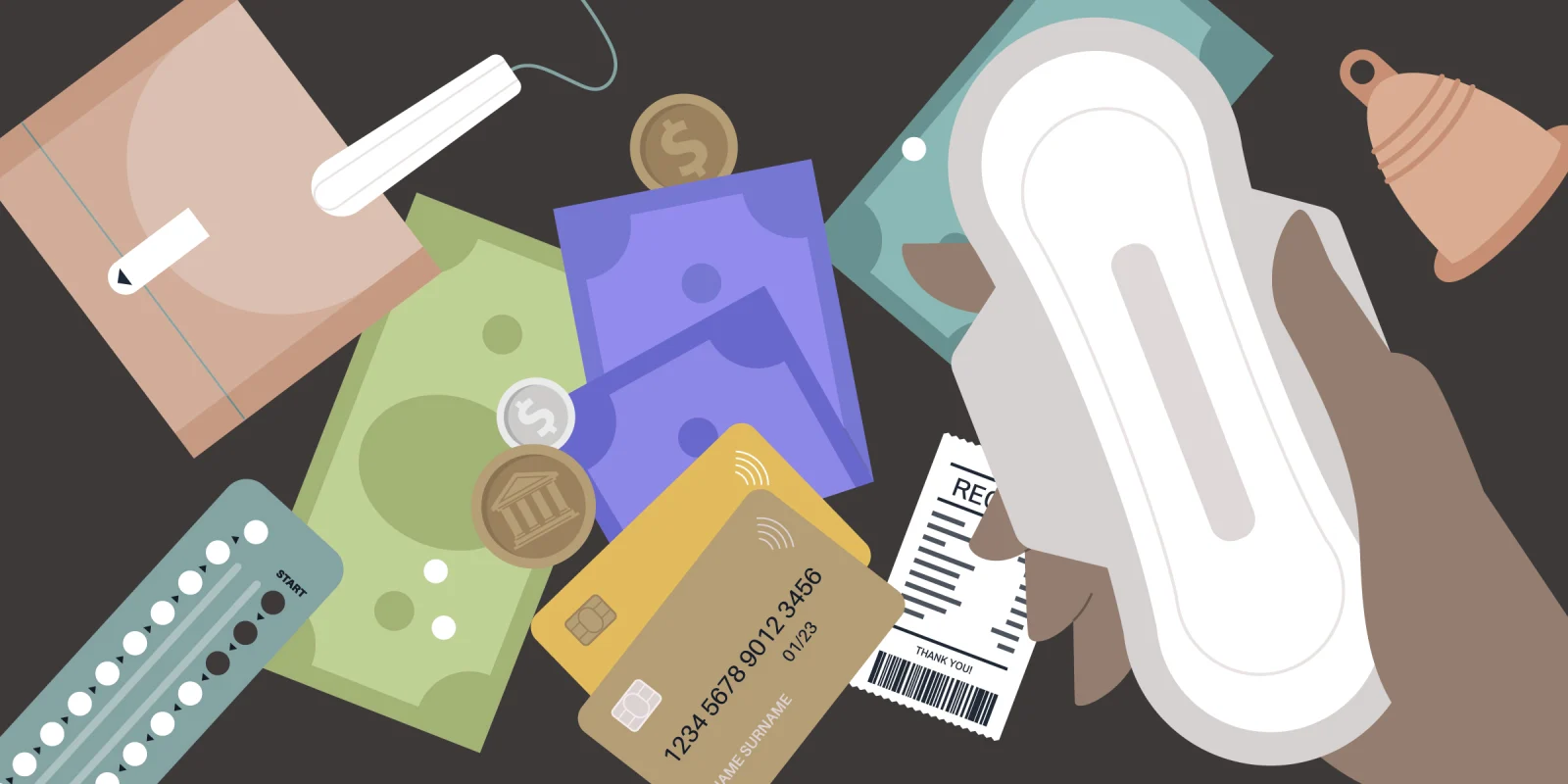
In the past five years, the price of menstrual pads in the U.S. has risen 41% and the price of tampons has risen 36%. The average woman in the U.S. spends between $5,000-$9,000 over the course of her life on menstrual products, with some women, with long, heavy menstrual cycles, spending upward of $18,000. Because of this high cost, 64% of women in the U.S. report difficulties affording menstrual products at one time, and 21% of women report being unable afford these products menstrual every single month.
During my research, I came across a term that was foreign to me: “hygiene poverty.” Hygiene poverty is defined as inability to afford basic hygiene necessities, such as soap, shampoo, menstrual products, diapers, dish soap, and laundry detergent. It has been widely found that when individuals and families are facing poverty, personal hygiene products are one of the first things to be forfeited. Going without essential hygiene products leads to situations in which people have to brush their teeth without toothpaste, use a shared toothbrush, use soiled diapers, wash dishes with only water, or use makeshift pads, such as wads of toilet paper or rags.
The more I researched, the clearer it became that the lack of affordable hygiene products is a public health risk. People who cannot afford essential personal care products are at an increased risk of infections and pose an increased risk of spreading infections to others. Soap and hand sanitizer are essential to reduce the risks of skin, respiratory, and intestinal infections, yet 33% of low-income families report bathing and washing hands without soap. In 2023, 50% of U.S. families reported being unable to afford diapers for their children, putting these children at an increased risk of skin infections and UTIs. Additionally, a lack of adequate menstrual products has been shown to lead to vaginal and urinary irritation and infection. Poor sanitation especially affects those who have preexisting conditions, making them more likely to catch infections, have complications, and be readmitted to the hospital due to inability to maintain necessary sanitation at home. Oral health disparities, such as a lack of access to toothbrushes, toothpaste, and fluoride, have well documented consequences, such as cavities, tooth pain, and complete tooth loss.
Hygiene poverty can also negatively affect people’s mental health, with 66% of people in a recent study reporting that going without hygiene products caused them increased feelings of anxiety, depression, and embarrassment. A lack of menstrual products leads to shame, causing increased anxiety, withdrawal, and isolation from friends and family, and depression. Additionally, many students report bullying due to uncleanliness and smells, leading to emotional distress.
A lack of hygiene products perpetuates the cycle of poverty. In a small survey of community college students, 45% of students reported missing class due to a lack of access to hygiene products, leading to a worsened academic performance, which can affect job prospects. Additionally, 34% of middle school teachers and 42% of high school teachers reported having students miss class due to hygiene poverty. A lack of hygiene products can make it more difficult for people to get and hold jobs. A quarter of parents in the U.S. report having to miss work due to having to stay home and watch their child because of not being able to afford and provide diapers for their child at daycare. This increases the risk of losing their jobs.
While it is evident that many Americans, like our clinic’s patients, cannot afford essential hygiene products, SNAP, WIC and other government aid programs do not cover essential hygiene products, creating a larger need gap. While schools, food banks, nonprofits, and clinics have started to fill this gap, by providing limited hygiene products, this need remains largely unmet. While many clinics provide support for food insecurity, very few clinics provide support for hygiene poverty. Due to the many negative mental and physical health effects that hygiene poverty causes, free and safety net clinics have a responsibility to offer free essential hygiene products to their patients. Providing personal hygiene products not only reduces health risks, but also promotes trust in the health care system and increases the likelihood of following up, which is especially beneficial for low-income, uninsured, or underinsured patients, where follow-up is often difficult. As a free health clinic, for low-income patients without insurance, I knew we needed to do something to address this gap, so we started a free hygiene pantry for our patients.
The main barrier for us and other clinics trying to provide these products to patients is budgetary concerns. Given the high cost of hygiene products in the U.S., for many free and low-cost safety net clinics, providing hygiene products for all patients is not feasible due to limited, over-run budgets. However, there are many local and national nonprofit organizations that partner with free and low-cost clinics to provide these essential products. For example, the National Diaper Band Network has more than 300 banks throughout 49 states that provided 239.1 million diapers to families in need. These local banks often partner with clinics to provide diapers for their patients. Additionally, the Alliance for Period Supplies has more than 140 member programs that partner with local organizations, like clinics and schools, to provide menstrual supplies; and in 2023, provided 38.6 million period products to over 140,000 women per month. We found a local hygiene bank, The Kindness Closet, which graciously donates basic hygiene items, like soap, deodorant, pads, and toothbrushes to our clinic, so that we can provide these items to our patients. Additionally, our clinic supplements these items by buying a few other highly requested items, such as toilet paper, nail clippers, and razors. Since starting this pantry in January 2025, we have given out more than 800 items at our free clinic and health outreach events. Hygiene products are a basic need and human right. Not only do hygiene products meet basic mental and physical health needs, but they also provide humans with dignity. To acknowledge our patient’s dignity and not put them in an embarrassing situation, we have a “no questions asked” free hygiene pantry in our waiting room where patients can take as many items as they need.
As the cost of basic hygiene products continues to increase and government programs continue to not include them in benefits, free and low-cost clinics should look to partner with nonprofit hygiene banks to provide these products to their patients. Since we started a free hygiene pantry for our patients, I have had many patients say that they are more likely to attend their appointment and that we have provided them with items that they would otherwise not be able to afford. Now, every time my patient who inspired this pantry returns for her appointments and takes products for her whole family, she gives me a big hug in gratitude.
Natalie DeRoche is a fourth-year medical student at Wake Forest School of Medicine. She has served as the executive co-director of the student-run, faculty-supervised clinic, the Delivering Equal Access to Care Clinic.
Image by nadia_bormotova / GettyImages