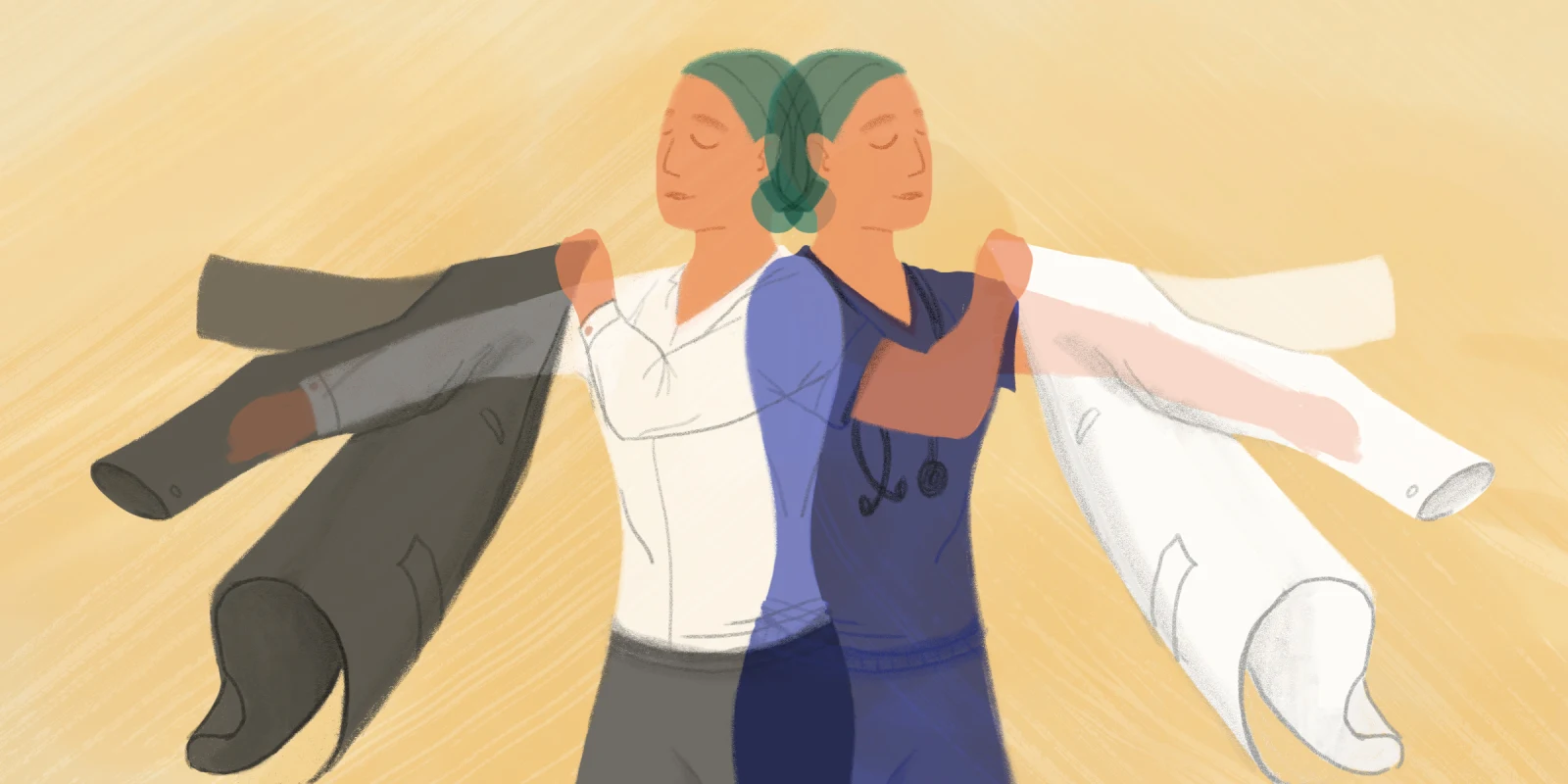

Last week, I received my first handwritten card from a patient, thanking me for my kindness and calm demeanor during his hospitalization for a GI bleed. After 28 days of work with only one day off each week, it felt like a rare and genuine affirmation that I had made a real difference. For a moment, I was elated — this was the kind of impact I had imagined when I chose medicine.
By lunchtime, that satisfaction faded. At our noon conference, the familiar slideshow of announcements and photos of residents receiving kudos from colleagues and staff played. I found myself scanning for my own name, hoping for public recognition. When it didn’t appear, disappointment settled in, followed by guilt. Why wasn't the heartfelt card from my patient enough?
I entered medicine believing it was different from the corporate world. It would be a refuge from the relentless pursuit of profit, a place where intellectual curiosity, ethical patient care, and genuine collaboration were valued above all else. Instead, I’ve found that academic medicine mirrors corporate America in ways I never expected.
In medicine, likability isn't optional — it's a skill we’re taught to cultivate. Building rapport is essential for patient care, but it also drives referrals and positive reviews, which in turn fuel the business side of medicine. The pressure to be liked is intense. During one rotation, a consultant panicked when a patient threatened to complain to the Office of Patient Experience. Poor satisfaction scores would go on his record. He was in a sour mood for the rest of the week.
But likability is only part of the equation. Visibility and public praise are just as critical for career advancement. From recommendation letters to peer evaluations and Castle Connolly Top Doctors nominations, our evaluation systems are deeply subjective. Sometimes these accolades are well deserved. But often, they're not a true reflection of merit. In medical school, I watched awards like Gold Humanism Honor Society function as popularity contests rather than genuine assessments of character. As a student, I shadowed a urologist who, when I told him I was interested in academic medicine, warned me about the mantra “publish or perish.” He’d left academic medicine for private practice, burned out by the pressure to constantly produce research and be seen at national conferences. He described watching his department chair come in on weekends to do procedures — setting expectations for everyone else to do the same and only perpetuating the need to always be seen and acknowledged by leadership.
I’ve realized this culture of visibility isn’t confined to medicine. A friend who works at a biotech company in San Francisco shared with me that she learned visibility is currency in her workplace as well. Quietly completing excellent work got her nowhere. It was the coffee chats, informal networking events, working in open spaces surrounded by others, and speaking up in meetings that earned her opportunities and career advancement, not competence.
I want to be clear: The recognition I see my colleagues receive is often well-deserved. I have the privilege of working alongside residents who are truly dedicated, compassionate, and skilled. My reflections aren’t meant to diminish their accomplishments or suggest that praise is misplaced. Rather, I’m struck by how much the system shapes what we value and how we measure our own worth.
The common advice is to "stop caring what others think." But in a system where online reviews, peer evaluations, and subjective assessments drive both reputation and career advancement, is that even possible? The structure itself demands that we care, sometimes more than we should. Our field is built on relationships and trust, and so much of our value is determined by how we are perceived.
My disappointment at not being recognized in the slideshow stemmed from two places. On one hand, I questioned whether my efforts and dedication to my patients simply weren’t enough. Perhaps I hadn’t measured up to my peers, despite working so hard to do my best. On the other hand, I worried that not being publicly acknowledged could have real consequences for my future, since recognition and visibility are so closely tied to career advancement in academic medicine. The experience left me wondering whether the system truly rewards good clinical decision-making and patient impact, or if it ultimately favors those who are most visible and well-liked.
Despite my best intentions, I am shaped by a system and culture that equates public recognition with value. The handwritten card from my patient was deeply meaningful, but the structure I work within makes it hard not to crave the kind of recognition that is visible to my peers and superiors. It makes me think of the old philosophical question: If a tree falls in a forest and no one is around to hear it, does it make a sound? Likewise, if I receive gratitude from a patient in private, but no one else sees or hears about it, does it really count in the eyes of the system? The personal impact is certainly real, but in an environment that rewards what is seen and celebrated, private affirmation can feel invisible.
Ultimately, I’m left questioning how we can reconcile the ideals of medicine with the realities of its culture. Can we truly “stop caring what others think?” If the current system and culture reward public recognition, visibility, and likability, it’s only natural that people will strive for those things. After all, incentives drive behavior. Maybe the real solution is to rethink what we prioritize and reward, because the qualities that are most visible aren’t always the ones that matter most in medicine. By aligning our incentives with the true values of our profession, we can foster a culture that genuinely recognizes meaningful contributions, not just those that are easiest to see.
Dr. Lauren Fang is an internal medicine resident in Rochester, MN. She enjoys coffee shops, board games, and spending time outdoors. Dr. Fang is a 2025–2026 Doximity Op-Med Fellow.
Illustration by Diana Connolly