
“The greatest danger in times of turbulence is not the turbulence — it is to act with yesterday’s logic.” – Peter Drucker
I recently returned from the Stearns Consortium, an industry-sponsored conference on interventional management of cancer-related pain. Interventional pain procedures have a long-standing history in neurosurgery. With the increasing prevalence of complex spine surgery and its financially lucrative position in neurosurgical practice, many of these procedures have been taken over by other service lines/specialties such as interventional radiology, physical medicine and rehabilitation, and anesthesia, which brings us to the crux of the matter: Why would a neurosurgeon attend this conference?
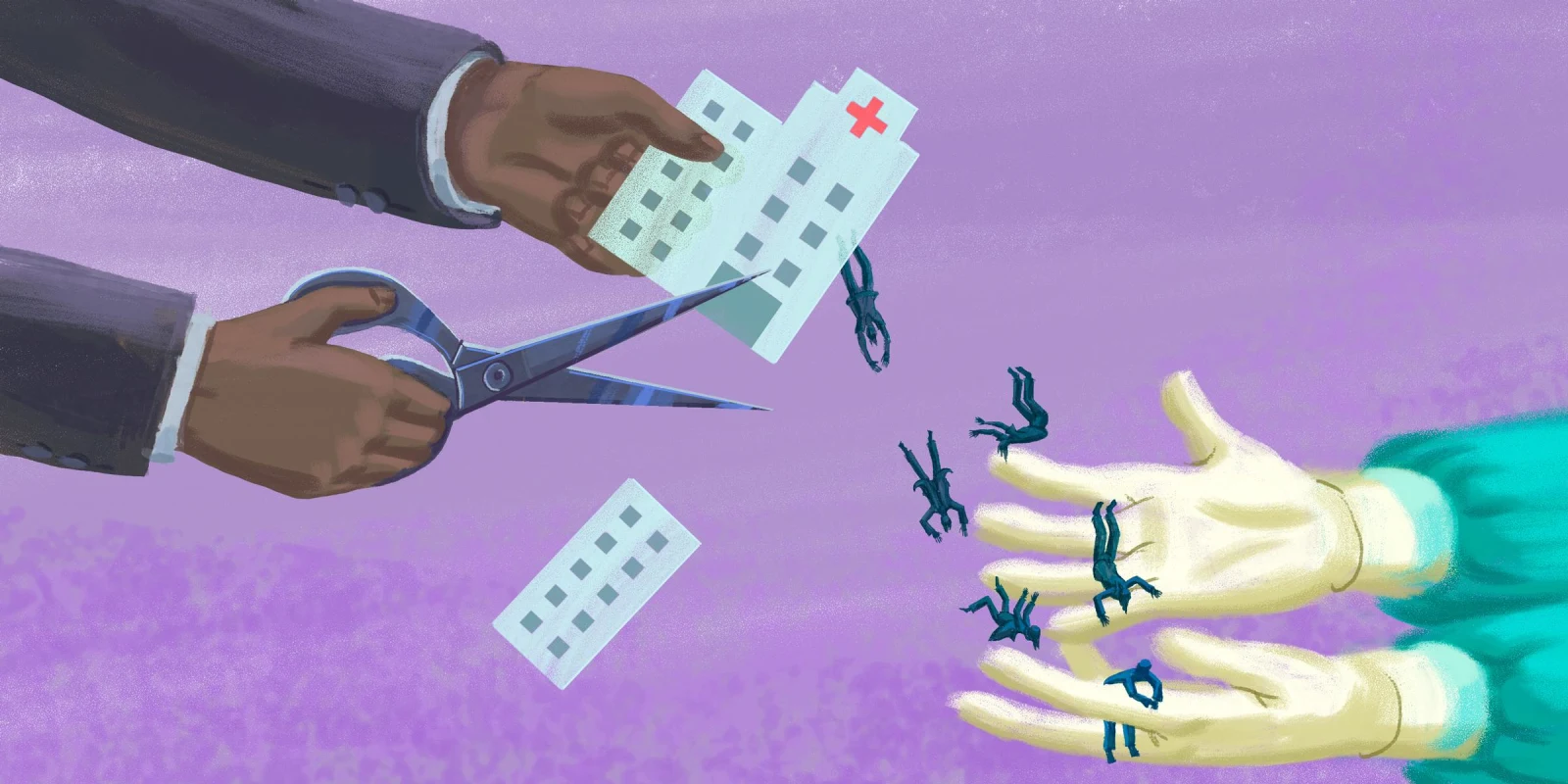
I serve as chair of neurosurgery for a regional health system with an associated insurance company that encompasses a Level 1 trauma center and multiple community hospitals. The Level 1 trauma center and one community hospital have associated neurosurgical practices that support the entire system. Except for neurosurgical trauma, these represent a general neurosurgical practice mix with representative case numbers: 20% to 30% cranial and 70% to 80% spine. Approximately 18 months ago, the health system announced that the neuroscience service line that encompassed neurosurgery, neurology, physical medicine and rehabilitation, and interventional pain management was being dissolved. Neurosurgery was folded into surgical subspecialties, neurology assigned to medical subspecialties, and physical medicine and rehabilitation along with interventional pain management assigned to the orthopaedic service line. Orthopaedics hired a cadre of spine surgeons, changed the order sets in the EMR, and shut off referrals into our department. This is the definition of departmental collapse.
How does a department head manage a crisis that threatens the financial well-being of colleagues? Step 1 is to address the emotional state of yourself and your colleagues. Anger and disappointment are understandable; emotional outbursts, acting out, threats, and sulking are not. Unruly behavior will further division between hospital administration and the department. Anger is a tool that should be wielded wisely. Words and actions have meanings; things that are said and done cannot be taken back. Before you speak or retaliate, take time to think carefully, run through all the possible scenarios. Consider alternative words or actions that may be viewed more favorably. This is a high-stake political and financial situation that needs the utmost deliberation. You are dealing with an organization that has already determined that you are expendable.
Step 2, seek clarity from administration as to why decisions were made. The most difficult aspect is that this involves a degree of trust, vulnerability, and humility. Our physicians are reimbursed on a wRVU-based compensation model; my colleagues decided to trade long-term practice building and referral development for short-term gains available through ED referrals. This was compounded by a lack of willingness to share cases or manage the neurosurgical trauma as a service. This resulted in independent practices existing within the hospital despite being under the same leadership and sharing a call schedule. This caused delays of care, extended hospital stays, and increased complaints from other departments and ancillary services. In fairness to administration, they had warned the department that these issues were problematic. There is a degree of hubris in believing you are so valuable to an organization that you may ignore warnings that your department is not meeting expectations.
Step 3, financially support your staff: physicians, APPs, and nursing. My goal has been to preserve physicians’ financial positions as much as possible while understanding that the changes requested by administration and myself may be unpalatable. Stable, guaranteed compensation packages were negotiated for all the physicians within the group, as was stable employment for the department’s APPs and nursing staff. The downside is that there is a set expiration date. Long term, I am looking for a change in the compensation that moves away from wRVU production and bonuses for the group by meeting defined production and quality measures. This reinforces the perspective that departmental teamwork is more important for long-term success.
Step 4, reinforcing existing relationships and new opportunities. Although our orthopaedic colleagues have cornered the market on sports-related spine injuries, their relationships with emergency medicine, hospital medicine, internal medicine, family practice, and oncology are nonexistent. Meeting with referring physicians, understanding needs, and addressing shortcomings are vital to maintaining these referral routes. From my own practice perspective, I have worked diligently to establish a coordinated multidisciplinary spinal column metastatic disease treatment program that establishes neurosurgery both in the interventional and surgical realms. This was done by maintaining rapid open communications with the treatment teams and expediting patient evaluation and treatment.
Step 5, seeking out allies and providing mutual support is critical to success. To presume that an institutional-level shift in practice has monolithic support or adherence within the organization is simply not true. There are individual practitioners and departments that will not view these changes favorably and continue to support practice and referral patterns that have existed for years. Departments such as neurology and emergency medicine, which have been intimately connected to neurosurgery, will continue to provide vital referrals. It is critical to reinforce these relationships and take nothing for granted. The change in referrals has made recruitment of new physicians difficult. To avoid hiring large numbers of locums to cover call, we will need to look at other partners who would be interested in developing part-time practices within the institution. These negotiations will prove challenging but do hold out the possibility of obtaining critical subspecialty support from physicians who are vested in the department’s success.
Step 6 is why I am attending the Stearns Consortium. With the loss of most spine referrals, it is vital that we look for new opportunities. I am reinforcing the inherent strength of neurosurgery, the diversity of services that we provide. The trend in neurosurgical practice over the past two decades has been to emphasize the growth of spine based on the financially lucrative reimbursement supported by the current U.S. care model. Accompanied by a shift in the treatment of vascular disease to endovascular techniques, the availability of stereotactic radiation for cranial and spinal metastatic disease and increasing competition for peripheral nerve surgery has resulted in a contraction of neurosurgical scope of practice. My goal is to reintroduce that diversity into the department. I am encouraging my colleagues to look for new opportunities that expand their interests. We are looking at reincorporating functional, pain, peripheral nerve, and skull-based surgery within the department. We are also taking a serious look at how our trauma care model is implemented, looking for new opportunities to enhance care, and even providing training and research opportunities for physicians interested in that area of neurosurgical care.
In conclusion, although the changes that have occurred within our health system have significantly affected my department, in the end, if addressed appropriately by us, they will serve to improve and strengthen the department in the long term. As a departmental leader, I have focused on a six-part strategy: emotional control, seeking clarity from the administration and referring colleagues, supporting my staff financially and emotionally, strengthening relationships, seeking out allies, and looking for opportunities. I would like to thank my dyad partner and department manager who have done Yeoman’s work serving the department through a challenging time.
How can physician leaders turn loss into long-term strength? Share in the comments.
Dr. Charles Watts is a neurosurgeon practicing in St. Louis Park, MN. He is the department head of neurosurgery within the Health Partners system. His practice interests are minimally invasive spine surgery, pituitary tumors, and brain tumors. He also has research interests in quality, particularly the reduction of surgical site infections and other peri-operative complications as well as biophysical chemistry having completed a PhD in this field of study. He is married with four children, and likes to stay physically active with a variety of hobbies/interests outside of medicine. Dr. Watts is a 2025–2026 Doximity Op-Med Fellow.
Illustration by Jennifer Bogartz