
My cellphone rang in the mid-afternoon.
I’m a mostly retired rheumatologist in my mid-70s. I’m a bit of a hermit who does not get many phone calls. Most are spam. Some come from family members. I share my cell number with patients because I’m rarely in the office and our office phone system leaves much to be desired. So even though the number was not in my address book, I decided to answer the call.
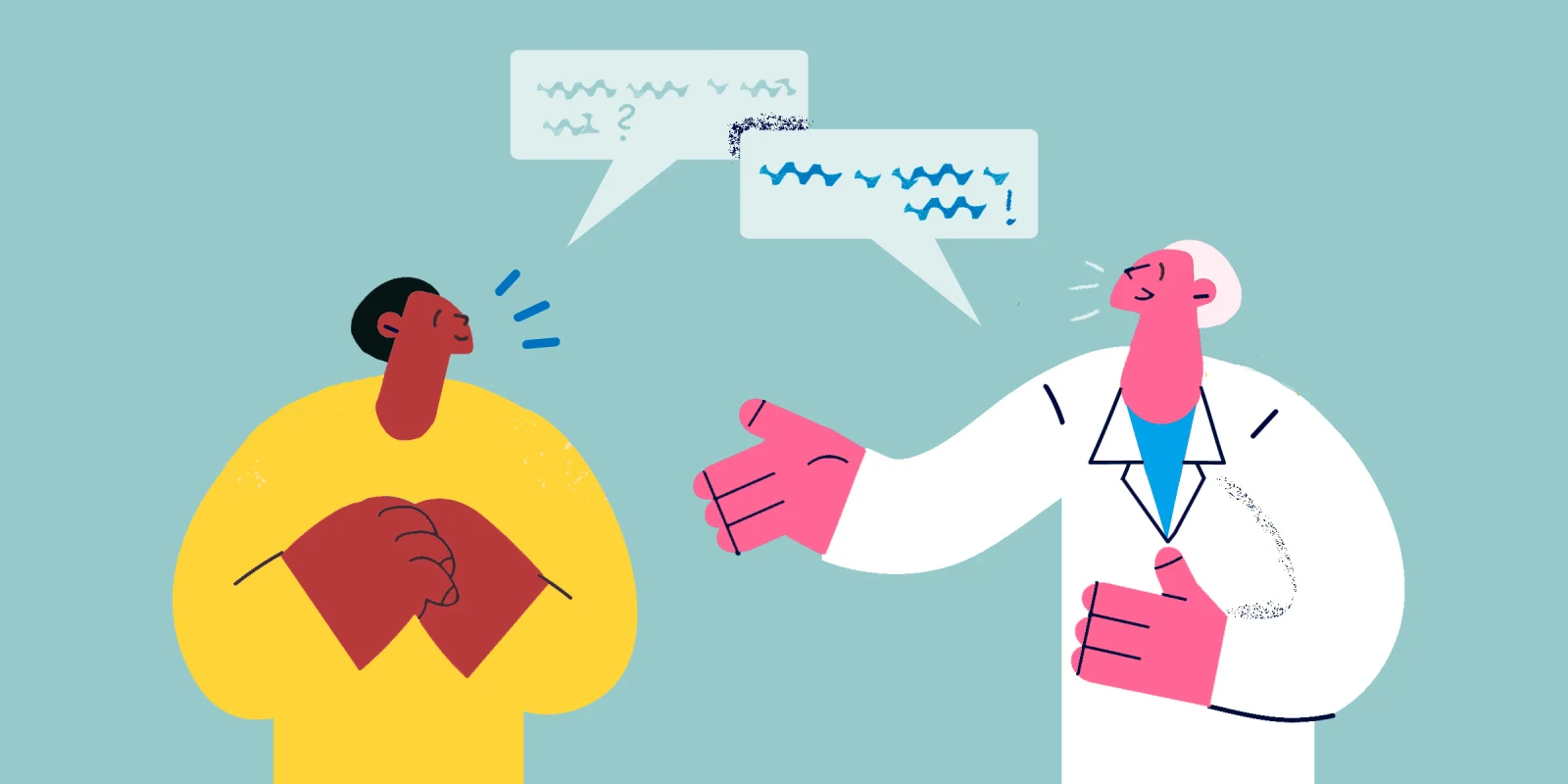
“Is this Dr. Rosenbaum’s office? I’d like to schedule an appointment.”
“This is Dr. Rosenbaum. My practice is limited to very specific problems related to the eye and rheumatic disease. Can you tell me the issue?”
“I’m having hand pain.” Hands are to a rheumatologist like a heart to a cardiologist or a brain to a neurologist.
“I’m so sorry. I’m not doing any general rheumatology.” And then I listed several groups in town, one of which he’d already contacted and learned that the wait was one year.
That night I could not sleep. If the caller had been a friend, I would have offered advice for lab tests and imaging. Should it matter that we had never met?
The next day, I reached my caller on vacation. I established that he almost certainly had osteoarthritis. His age, the asymmetry of his joint disease, which joints were involved, the response to various medications, the lack of morning stiffness, and the results from lab tests made me confident of the diagnosis. He had been seeing an orthopod for more than two years and receiving local steroid injections. His pain was mostly controlled with over the counter, oral non-steroidals, NSAIDs. But recently he had received a watchman and an ablation for A-Fib. He was on anti-coagulation with rivaroxaban. NSAIDs were now contraindicated due to the risk of bleeding. But there is one nonsteroidal, celecoxib, that would most likely minimally affect platelet function. I mentioned this and said he should discuss it with his prescribing doctor. He noted that he had continued to make efforts to schedule with a rheumatologist; there would be a six week wait before an appointment time could be discussed.
Later that day, I related the story to my cardiologist wife. We have been married for 55 years and argue about very few issues. My wife’s judgment usually exceeds my own. She told me in no uncertain terms that I was wrong to offer an opinion. I had exposed myself to liability or perhaps review by the medical board.
Every state has a “Good Samaritan” law that aims to protect a clinician who delivers free care in an emergency. But these laws may differ substantially. What if the event occurs in a state where you are not licensed? What if an accident victim sends you a thank you gift; is your care no longer free? What if the situation is not deemed an emergency? What if the physician is retired? If different states have different laws, the likelihood is that on occasion, a personal, moral choice, and legality might collide. And remember, no law prevents filing a lawsuit. Even if a suit is unsuccessful, litigation is usually expensive and stressful.
My father was also a physician for whom giving advice was essential to the tapestry of his identity. When he was residing in assisted living, demented and suffering from Parkinson’s, he would continue to make rounds every day on his friends also living in the home.
Twenty-five years ago, I had surgery to remove a herniated disc. When I woke, the pain previously present for 6 months was gone. I was euphoric. Maybe it was the absence of pain. More likely it was the intravenous methylprednisolone given during the surgery to reduce post-operative edema. Lying in the hospital bed with corticosteroid-altered reasoning, I told my wife that I needed to make rounds. Garbed in my hospital gown, which was open in the back, I began searching for the nurse’s stethoscope before my wife could coax me back into bed.
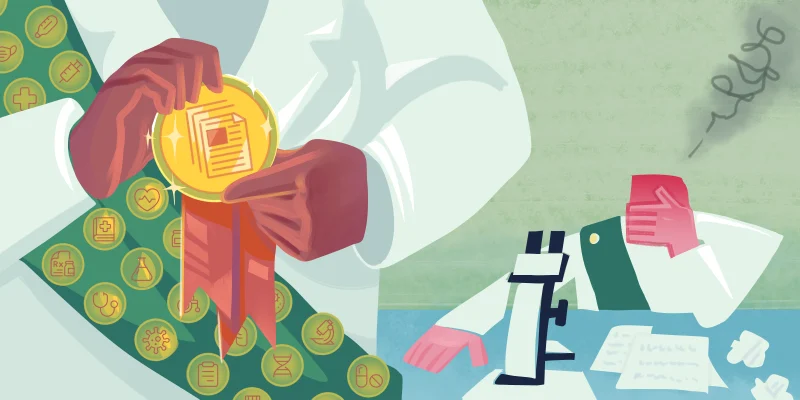
Why become a doctor? The compensation is good, but when you factor in years of training and frequent debt, you generally could do better in another profession. When I elected to go to medical school, I naively believed that physicians could live a life without confrontation. By witnessing how my father practiced medicine, I reasoned that the doctor and the patient would always enjoy goals which are concordant, in marked contrast to a lawyer whose essential role is to argue with another lawyer. But most of all, what feels better than offering help? If your friend or relative asks you about a pain or a rash or insomnia, do you simply say, “Sorry, I cannot comment”? And with all the current impediments to access to care, isn’t it even more critical to make the obvious admonitions about your limited role but still provide the best advice you can?
I did some research to confirm that celecoxib is the safest nonsteroidal for anyone who is anti-coagulated, but discovered one should be careful because it still increases the risk of bleeding. I texted my “patient” about this risk and suggested waiting to resume an NSAID until the anticoagulation could be completed. Inability to play golf was a necessary tradeoff. He repeatedly expressed his gratitude. While I had made an error of omission, not mentioning increased risk of bleeding, it was presumably the same error that I would have made in an office visit. My advisee further informed me that he had heard back already from the office which had indicated a six-week wait before an appointment could be booked. The rheumatologist’s office offered to schedule a date more than a year from the time of the return call.
Although I regret that I needed to amend my advice, I don’t regret my attempt to help. Admittedly my semi-retired status allows me more flexibility with my time compared to the situation for most physicians.
The laws of various states and the opinions of the multiple physicians in my immediate family do not always concur as to how I should properly have responded to my caller. Whenever medical caregivers offer advice, even if we adhere strictly to shared decision-making, we are actively participating in the teeter-totter of risk assessment. Physicians routinely ponder tradeoffs in making advice; less commonly we weigh whether to give advice at all. I made the choice to discuss a medical problem with someone whom I had never met. Maybe I was wrong to provide an opinion, but I followed the path that fits with why I chose a career in medicine.