
I thought I understood what it meant to be a family physician. I had trained for years, practiced evidence-based medicine, and dedicated myself to patients across the spectrum of life — from newborns to the elderly. But it wasn’t until I became a mother myself that I truly grasped the depth of what “family medicine” meant.
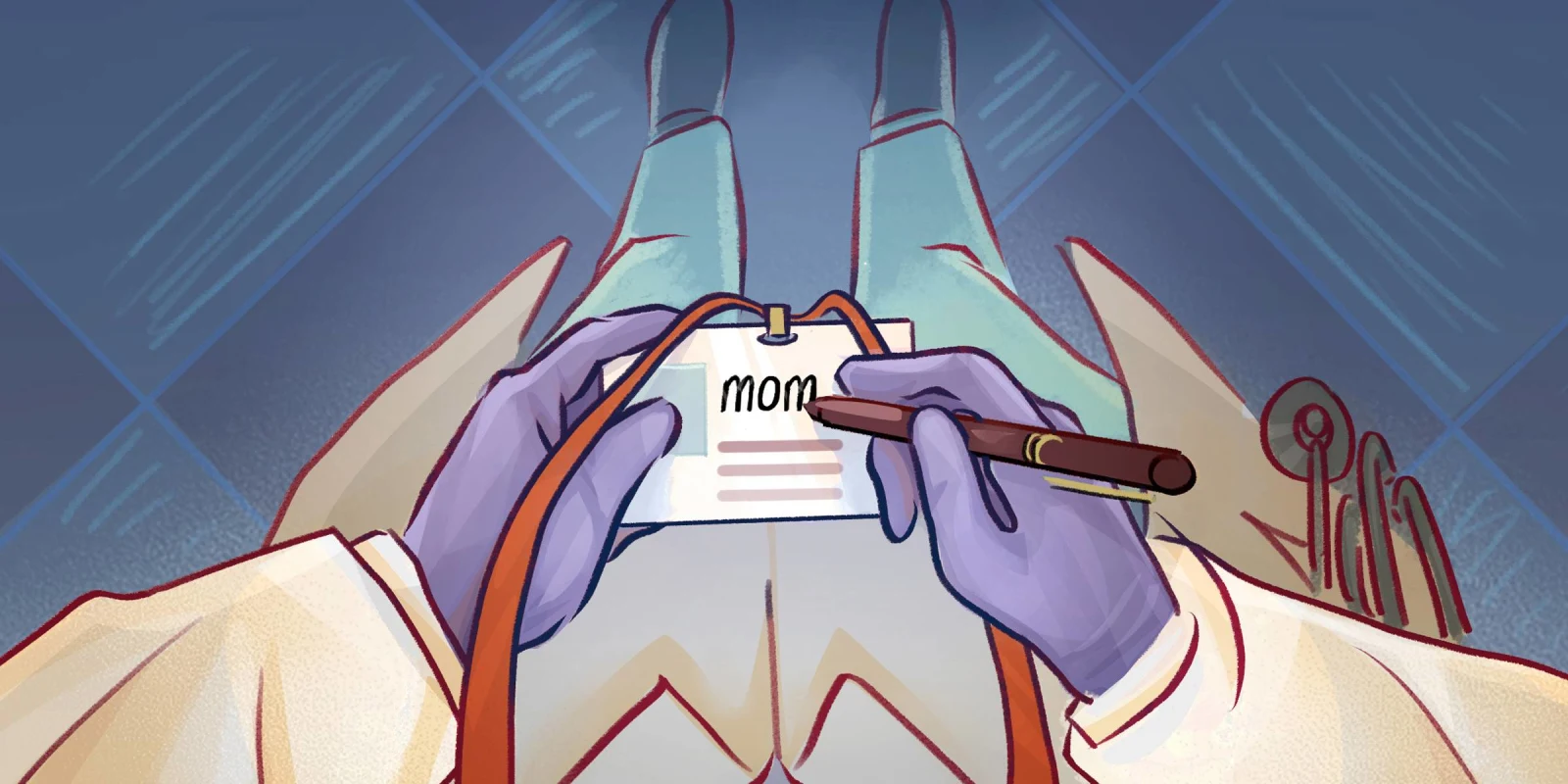
The defining moment came on a Tuesday morning during my first week back from maternity leave. My son, Arav, was only 12 weeks old, and I was still learning how to leave him each morning without crying in the car. I walked into the exam room to see a young mother with her own infant, just two weeks younger than mine. She was exhausted, anxious, and quietly admitted she felt like she was “failing” at breastfeeding and motherhood.
Before my pregnancy, I would have reassured her with clinical words — citing statistics about feeding, growth curves, and the normal stress of adjusting to parenthood. But on that morning, standing in front of her with my own body still healing and my heart still tender from separation, my words came out differently. I didn’t reach for the growth chart right away. Instead, I said softly, “I know how hard this is. I was awake last night at 3 a.m. too. You are not alone in this.”
Her shoulders dropped. She exhaled, and for the first time that visit, she smiled.
That moment transformed me. I realized that my lived experience had given me a new kind of credibility — not just as a physician, but as a fellow traveler. Medicine, I understood then, is not only about knowledge and skill, it is about connection, honesty, and presence.
As the years have gone by, my children have continued to reshape me as a physician. When my younger son Arjay was born, I once again felt the delicate balancing act between my patients’ needs and my own family’s. I had to learn how to set boundaries, how to show up fully in both spaces, and how to forgive myself when perfection was not possible. That struggle has made me more compassionate with my patients who juggle caregiving, illness, and hectic schedules.
Motherhood also reframed my understanding of resilience. There are days when my clinic runs late, a patient outcome is heartbreaking, or an administrative challenge weighs me down and then I walk through the door at home to find my sons laughing over blocks or racing toy cars across the floor. In those moments, I remember why balance matters, why wellness matters, and why I must also model health for the people who are watching me most closely — my children.
Who was I before this moment? I was a physician proud of my training, deeply committed to my patients, but perhaps too focused on perfecting medicine as a science. Who am I after? A physician who has learned that medicine is also an art of empathy — shaped not only by textbooks and CME conferences, but by the raw humanity of parenting, grief, exhaustion, and joy.
That Tuesday morning with the new mother and her infant will always stay with me. It was the first time I understood that the experiences that challenge us the most — the sleepless nights, the identity shifts, the deep vulnerability of loving someone more than ourselves — can also become the bridge to deeper healing for our patients.
And for me, that has made all the difference.
Ramona Sharma, MD, is an assistant professor of Family Medicine at Mayo Clinic Arizona and site lead for the Mayo Clinic San Tan practice. She is passionate about patient-centered care, physician well-being, and medical education.
Illustration by April Brust