
“Hate” is a strong word. I don’t use it lightly. But I hate credit cards. I don’t like using them. They may have a purpose, but the risk of credit-card malpractice is too high to be worth it. I’ll also admit some past trauma colors my stance. This is a hill I’m willing to defend.
I’ve felt this way for a long time, but never wrote about it because it didn’t seem that interesting until a recent conversation. I shared my take and was immediately rebutted by three people praising the perks and benefits.
So here’s my story, and why I hate credit cards.
Credit Cards Stink
I’m not trying to be objective here.
What’s a credit card, really? A bank-issued piece of plastic that lets you take out micro-loans to buy everyday items. For that convenience, you’re charged a sky-high interest rate. The average APR on accounts that incur interest was 22.83% in August 2025. Sometimes you even pay an annual fee for the privilege.
If I told you to walk into a bank, take out a $25,000 unsecured loan at ~23% interest, and use it for groceries, clothes, and random purchases, you’d call me crazy. Yet most people swipe a credit card without a second thought. It’s amazing how accepted this is in the U.S. Buy something with money you don’t have, then pay far more than sticker price in interest to your card issuer. That acceptance is fueled by aggressive marketing and our deeply rooted consumer culture.
The result is predictable: credit card balances reached $1.21 trillion in Q2 2025, and delinquency rates remain elevated.
Our dopaminergic system spends on credit, and the rest of our brain is left to foot the bill. At best, cards are a bad idea. At worst, they’re predatory.
My Story with Credit Cards
Why do I hate them? Because I was preyed on.
Thanks to a painful lack of financial education, I used a card in med school and residency to buy things I couldn’t afford. Some expenses were necessary, like housing for away sub-internships and Step 3 fees. Others weren’t, like trips and clothes because “that’s what everyone does.”
To illustrate just how naive I was, I had no idea about the interest rate involved. One day as a plastic surgery resident (i.e., someone legally allowed to cut people open), I saw an unrecognized $500 charge on my credit card. I immediately called the bank to report this fraud. The rep gently told me it was the monthly interest. Brutal lesson learned.
After training, my wife Selenid and I killed our balances quickly and vowed never to fall into that trap again.
The Points Point
The most common defense of credit cards is points. Typically you earn 1–2% back, which is one to two cents per dollar. Yes, some folks churn bonuses across many cards to travel for “free.”
But why would banks hand out money?
Because the business works. A small slice of disciplined churners may win, but many more people get lured in by bonuses and then carry a balance month-to-month. Forty-eight percent of cardholders reported carrying a balance in January 2025, where that ~23% APR more than overwhelms the points.
There’s no free lunch.
What About Responsible Use?
Yes, you can use a credit card responsibly. Pay the full balance every single month and you’ll avoid interest. That’s the only way to “beat” the issuers.
So why don’t more people do it? Often, they simply don’t have the cash because they bought things they couldn’t otherwise afford.
What about physicians?
Even with higher incomes, the behavioral risk remains. It’s easy to look at your checking account and think, “I’d rather keep my cash, so I’ll just pay the minimum this month.” Then the bank wins. You’ll likely spend more next month and repeat the same logic.
For what upside? If you spend $10,000 in a month, 1% cash-back is $100. You can earn that with one short medical survey like these, without risking 20% interest.
And remember, the average individual credit card balance was about $6,700 in late 2024, a useful reminder of how quickly balances creep up. And it can be way worse for physicians with a high income and high credit card limits that the banks are all too eager to increase.
My Dirty Secret
That said, I still use one card. Selenid and I don’t cook much, so we order in often. It is probably our least frugal habit. Our no-annual-fee Chase card includes a free DoorDash pass, so we use it only for DoorDash and pay it off monthly.
It’s easier to pay a few hundred dollars than a few thousand if we expanded our criteria to pay for more on the credit card. That’s the line I draw.
Takeaway
I’ve explored the points game more than once. My conclusion is always the same: the complexity and behavioral risk don’t justify the potential benefit for me, and for most physicians.
My financial life is complex enough. I’d rather save, invest, and build passive income, than buy first-class with intention. No juggling 10 cards for a possible upgrade.
Everything in finance is risk versus reward. With credit cards, the scales tilt against us. I avoid the game and encourage you to do the same.
What are your thoughts on credit cards? Share in the comments!
Jordan Frey, MD is a plastic surgeon in Buffalo, NY at Erie County Medical Center and the University of Buffalo. His clinical focus is on breast reconstruction and complex microsurgery. He is also the founder of The Prudent Plastic Surgeon, one of the fastest growing finance blogs. There, he shares his journey to financial well-being with a goal of helping all physicians reach financial freedom, practicing on their own terms.
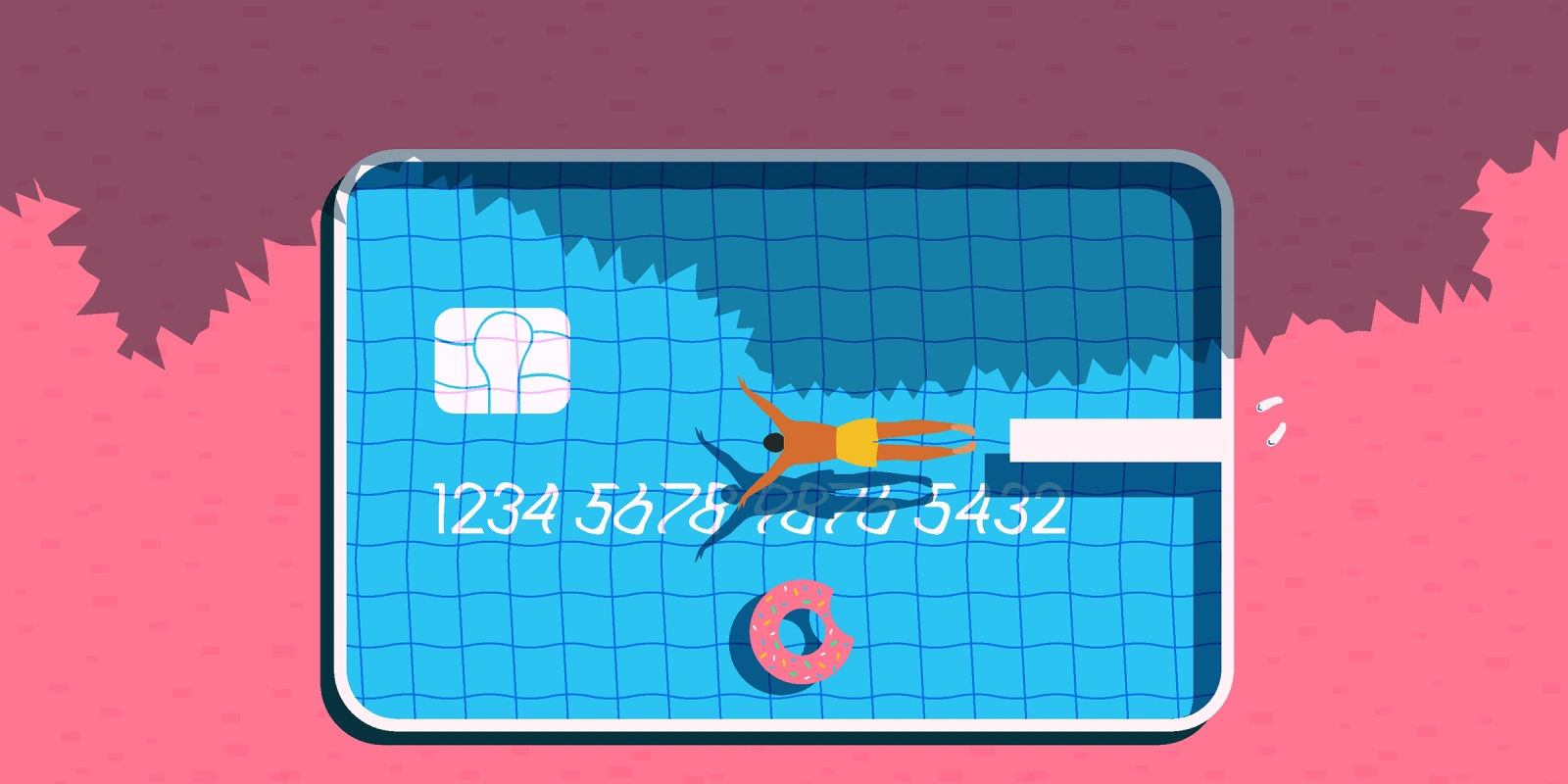
Image by Moor Studio / Getty Images