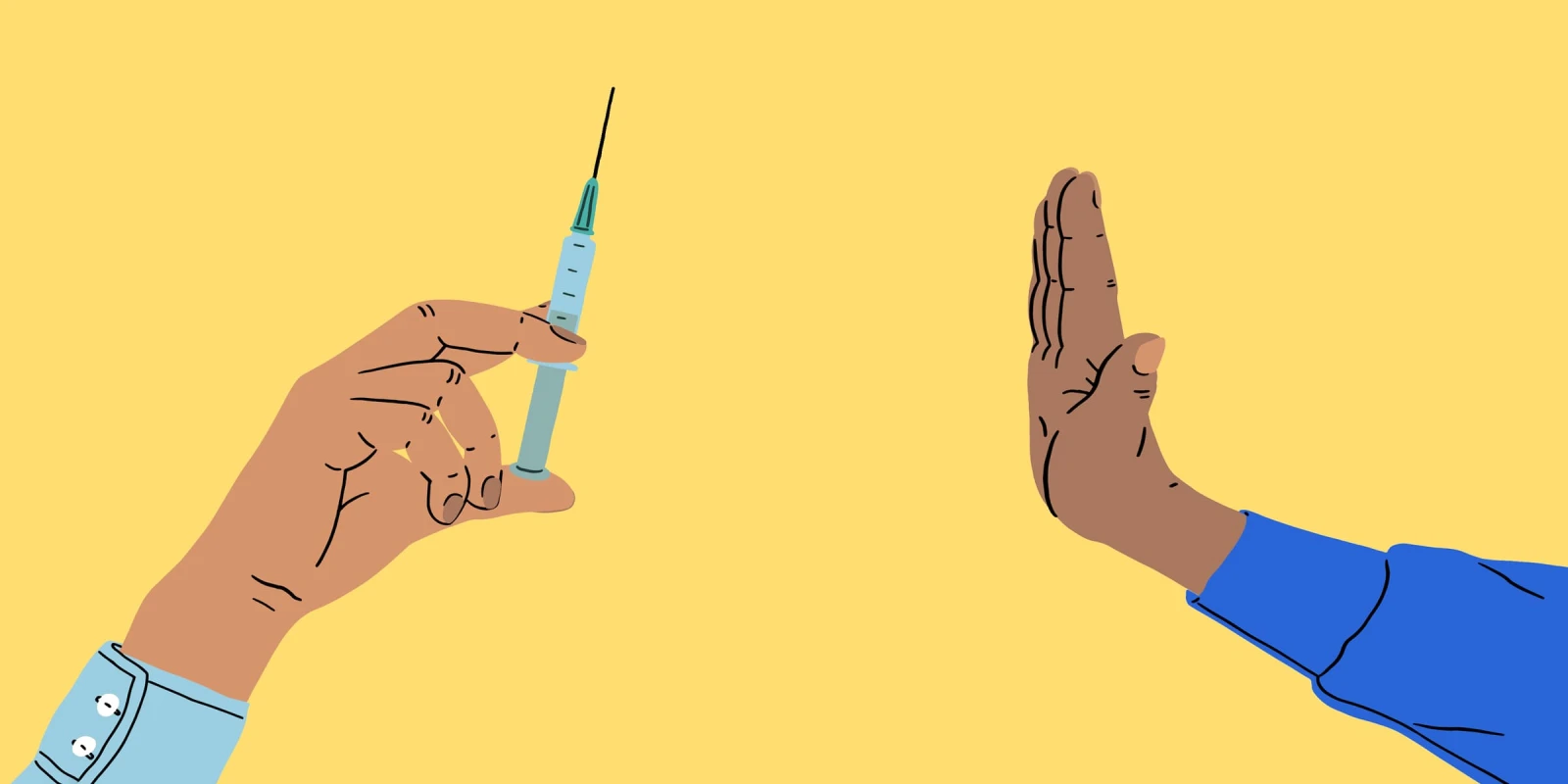

As physician burnout continues to be a significant problem, it is now being amplified by the antivaccine movement, which has villainized and sown public mistrust of doctors. Since the majority of vaccines are given in childhood, pediatricians such as myself are hit particularly hard by this movement where vaccine conversations occur multiples times daily. Currently, pediatrics is already dealing with diminishing reimbursements, inadequate staffing, increasing work loads, and high patient volumes. Now, the pushback and mistrust from patients when it comes to vaccines has added a new layer of stress to an already stressful job, especially since many employed doctors don’t always have a say in who they see or deal with. Yet, despite all this, I’ve come to realize this typically stressful and unpleasant conversation on vaccines can also be a meaningful one where I connect with patients, instill real positive changes, and ultimately alleviate some of my own burnout.
The key for me was to reframe how I view this conversation and come from a place of empathy instead of judgment. Rather than seeing a parent that refuses vaccines as someone who is challenging my expertise and endangering their child, I see a parent who truly wants what’s best for their child but is overwhelmed due to the influx of conflicting information out there. Admittedly, it is frustrating that these conversations to combat vaccine misinformation even need to happen, but I direct that frustration at the fearmongers and antivax leaders who have manipulated the public to create this problem, not the families themselves who simply want to do the right thing for their children. From my own experience, I found most such families are not truly antivaccine, they are simply vaccine hesitant, and with the right guidance, many of them come around.
Coming from a place of empathy, I don’t see these families as challenging my advice but rather looking for information and answers they can trust. The key here being that sense of trust, which unfortunately has been greatly severed by the antivaccination movement. The old paternalistic approach of telling patients what to do and expecting them to listen simply because I am the doctor or judging them for not following my advice does nothing to rebuild that trust. And without that trust, none of my well-intentioned vaccine recommendations actually matter since the patient will ignore them anyhow. Instead, keeping an open mind and asking families about specific fears or worries with no pressure or judgment goes a long way. Some will say they fear a severe adverse event or reaction, others will bring up a previous bad experience, and a few will worry about the safety of ingredients in the vaccine itself. Fortunately, I am usually able to provide easy-to-understand, evidence-based responses for most of these concerns or link to reputable sources the patient can refer to, which brings such families peace of mind. And the times I don’t have an answer or there are known risks, I am honest about that too. No medical intervention is 100% safe or perfect, and that includes vaccines. Paradoxically, that transparency about side effects or things I cannot guarantee actually seems to strengthen the sense of trust families feel because they know I am laying it all out there in terms of risks and benefits, not hiding anything.
The final piece of this is not pressuring or judging families who are hesitant. To reduce any defensiveness, I often open with the fact that I understand their fear and anxiety due to the overwhelming amount of news on vaccines today, much of which is fearmongering or misinformation. I also share my own experiences, going over how many hundreds of vaccines I have seen safely given over the years or that I would recommend these vaccines for myself or my family.
Since visit times are short, I make sure to ask early in the conversation what specific concerns or worries families have about vaccines. This lets the families feel heard and also lets me focus the discussion to where it will matter most for them since I cannot cover everything in the few minutes we have. If more time is needed, it can also be helpful to split the vaccine discussion over a few separate visits, so each concern is addressed thoroughly and families have time to process the information given in between each follow-up. One amazing resource I share with each vaccine-hesitant family now is the AAP healthy children vaccine safety page, which provides summaries and links to reliable studies showing vaccines are safe and addressing many of the concerns parents have. Since visit times are short and we cannot cover everything, giving parents reliable resources like this to go over on their own can be very helpful as they can take their time to review it in detail without the pressure of being in a doctor’s office and reach out if they have any additional questions or concerns. Once I give all the information I can and address their concerns, I leave it up to them. My job is to give genuine, reliable information families can trust, and part of that trust is letting them make the final medical decision. Pressuring or pushing families to vaccinate inevitably has the opposite effect most times and only damages the therapeutic relationship.
On the other hand, telling patients it is up to them has yielded far better results in my experience. I’ve had a few occasions where a family dead set on holding off on vaccines changed their mind that very visit once I left it up to them and gave them a few minutes alone to think over the information I provided. Or some families who refused vaccines at the initial visit agreed to come back after they had a few days to process what I told them. I respect and understand that some pediatricians who have the ability may still discharge these families from their practice for the safety of their other patients or due to lack of time to have these discussions, and of course, not everyone comes around. However, the times that a vaccine-hesitant family does move forward on vaccinating their child, I feel like I’ve made a real personal connection and helped them not only be safe but feel safe by vaccinating their child. At the end of the day, medicine is about connecting with patients and families to help them feel better and live healthier lives. Although conversations on vaccines are more difficult now, this is another avenue for us to do precisely that. Not to mention, in a time when we are becoming more divided, connection is a powerful thing. In that sense, I’ve found a small sense of meaning in the antivaccine movement and feel a little less burned out from it. Not to mention I get the satisfaction of knowing I’ve improved the herd immunity in our overall community just that much more.
How do you handle difficult vaccine conversations? Share in the comments.
Dr. Shadman Sinha is a general pediatrician practicing in New York. His passions are speaking out about health care reform and educating parents via his many social media accounts. He also loves rocking out on his guitar and playing with his band. He posts regularly on TikTok, Instagram and Youtube @docshaddymd. He is a 2025–2026 Doximity Op-Med Fellow.
Image by Olian_Rosa / Shutterstock