
The “marshmallow test” refers to a series of studies conducted in the 1960s by psychologist Walter Mischel. It suggests that the ability to wait for a treat as a child, by covering one’s eyes, singing, even sleeping, hints at later success in multiple facets of life. (It should be noted that more recent studies suggest numerous contextual, cultural, and socioeconomic factors influence a child's ability, or interest, in delaying a reward.)
To succeed in medical training one must, at least to an extent, subscribe to the marshmallow test. And I believed in it wholeheartedly, this scripture of perpetual pursuit. But since training for a career in EM, I have learned that saving resources and time for what and who you love until you think you’ll have more time or energy, or dare I say, have earned the time, is not without risk.
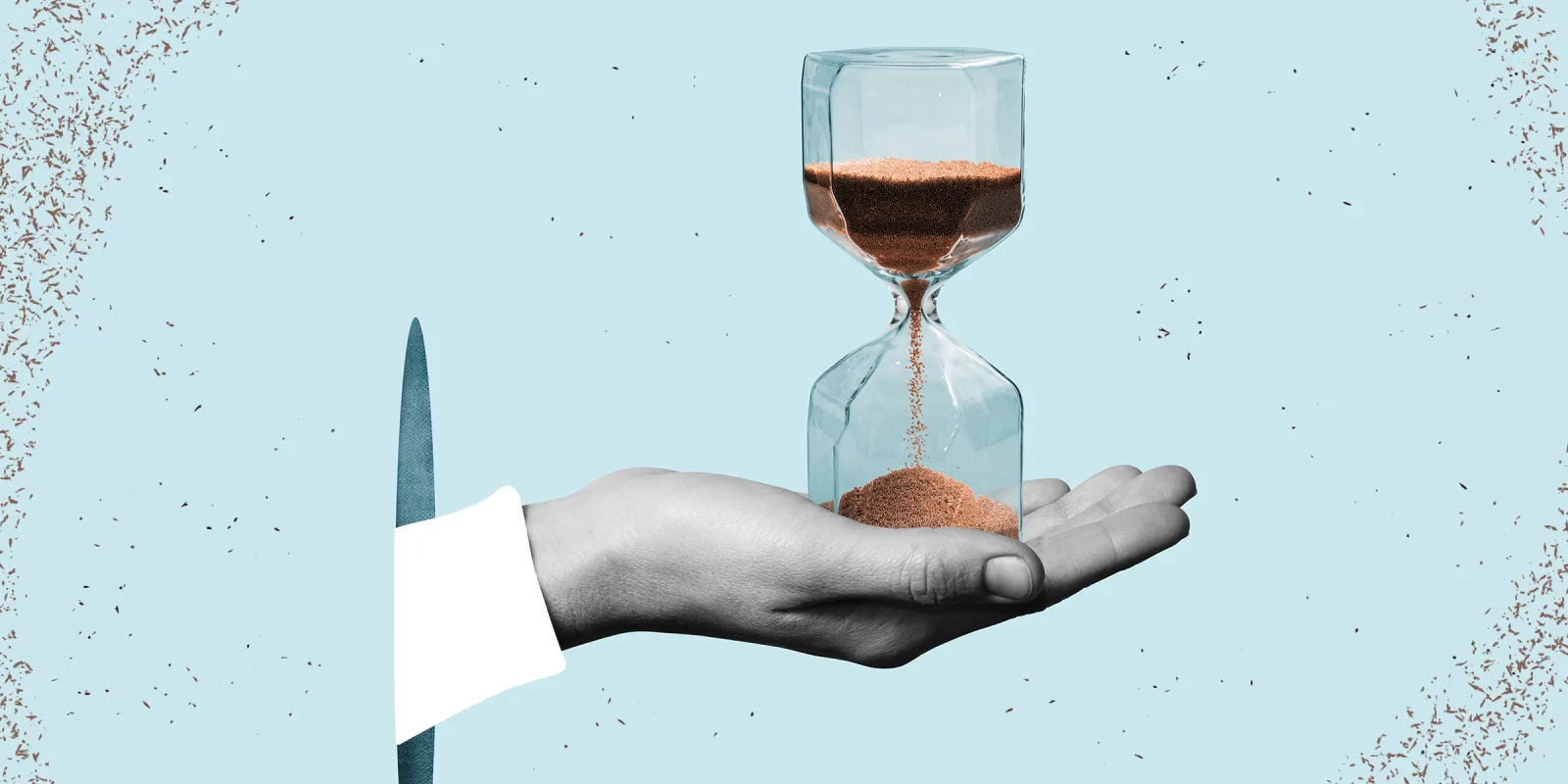
Residency was the first time I felt truly mortal. Maybe not in the sense that I thought I could drop dead any day, but that people in my life who I loved were not permanent objects but rather living, growing, dying, beings. I had spent the month taking care of a woman in the ICU who was married with two young boys, and she did not make it. When the rotation was over, I wanted more than anything to sleep — and then fly home to see my family. Twin realizations were forming: both the weight of my duty as a physician and the understanding that time with the people I love is finite, like an hourglass that had been flipped when I wasn't looking.
Residency was also the first time I sat down in a room to tell a family their loved one had died. I watched them collapse, grief-stricken, like ragdolls in their chairs. A small child sat strapped into a car seat in the corner and screamed. It was summer and my words hung in the air like they were caught in a heavy fug. As an attending, I deliver bad news nearly every week, and it hits me more every time. Where once these were lines I delivered, they're now words I feel, and every time, I think, "There is not enough time in this world for the people we love."
Now that I've finished training, the funny thing about finally making time to invest in the people and things that bring me joy is that it’s harder than expected. If you are always delaying joy and gratification, what do you do when you’ve gotten there? The question becomes how to succeed at happiness, and it’s about finding a new metric for success that goes beyond accolades and achievements. For me, my new metrics are going home for the holidays and having enough time to find the perfect Christmas present. Success is finally getting the dog I’ve always wanted, and learning which seeds will grow where in the garden.
So where has waiting for the marshmallow gotten me? A career that is equal parts challenging and rewarding. But also, the years of quiet contentment working toward that goal. In college, it was the next biochemistry, organic chemistry, and physics test. It was also early cross-country training practices and the infrequent but sublime races when everything went right. It was medical school and the exams that I studied hours for, staring out the window of my studio apartment. It was the last summer break before starting clinicals, when I knew that to succeed, I just needed to keep going. While I wouldn’t change these formative years of early adulthood and physicianhood for anything, I wonder if there wasn't another kind of gratification I could have been nurturing all along.
Liana Meffert is an emergency medicine physician in Wisconsin. Her writing has been featured in JAMA, The Lancet, The Maine Review, SWWIM, and X-R-A-Y, among others. You can find more of her work at LianaMeffert.com. All views expressed are her own. Dr. Meffert is a 2025–2026 Doximity Op-Med Fellow.
Image by SvetaZi / Shutterstock