When I was a fellow-in-training, my program director, Dr. Thomas Platts-Mills, gave me a sage piece of advice about conferences:
“Meet at least one new person.”
If you are not familiar with Dr. Platts-Mills, he is world-renowned for not one but two groundbreaking allergy findings: the identification of dust mite feces as a critical allergen in asthma and the discovery of the tick-associated red meat allergy, “Alpha-gal syndrome." For such a brilliant scientist to give advice that centers on relationships, not on seeking out the most advanced science or even the most advanced scientist, was compelling. It has stayed with me for years and has ever since been a goal for me at conferences.
This year, going to Philadelphia as the mom of young children and married to a man with a busy practice himself was no small feat, and I was committed to making it worth the effort. My focus this year was connecting with people. Yes, I attended excellent presentations, but the most impactful experiences I had were discussions with my peers, some of whom I had not seen in person for years.
The AAAAI historically offers solid opportunities for connections. One in particular is its Leadership Institute. This was year two of the two-year Leadership Ambassador program, during which I spent time with colleagues from across North America who, like me, are dedicated to providing excellent patient care and to the belief that we, as clinicians, must be leaders in healthcare if we want the best outcomes for our patients. Connections I made through this program began last year and were nurtured by this year’s programming.
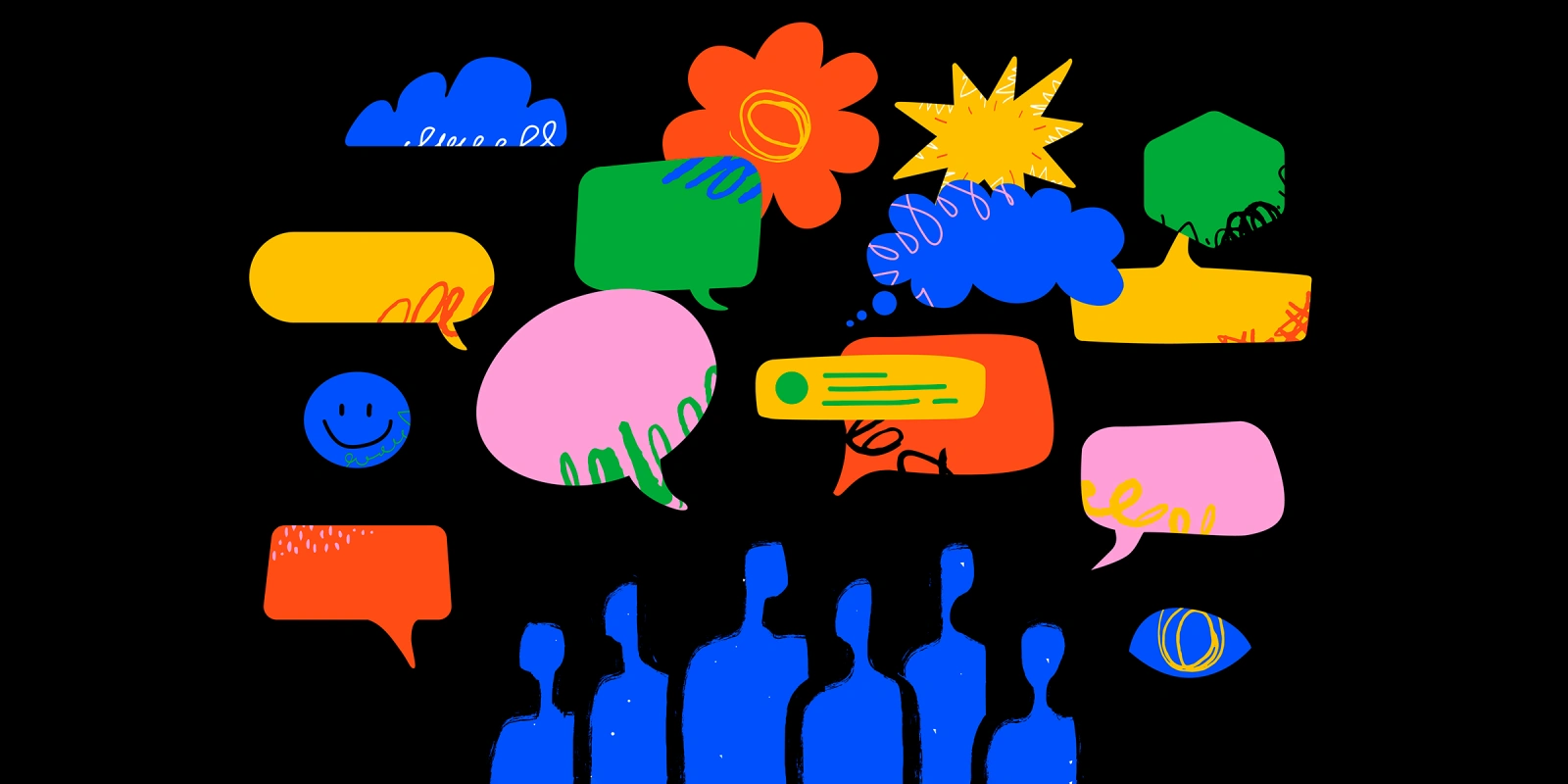
The Leadership Institute was lagniappe. I know we, as clinicians, don’t always get to participate in such programs, and not all societies offer such opportunities. At the core of my trip was meeting one-on-one with colleagues, mostly allergists but also those in the industry. We discussed difficult cases and latest advancements, and at the heart of these discussions was learning about each other and growing friendships. In the polarized world in which we live, it’s that human connection that allows us to discuss science and have differing points of view, but do so in a way that is respectful. This trust grows year upon year as we share with each other the challenges we are experiencing, many of which are not related to medicine at all. These friendships are blessings.
So the next time you attend a conference, I encourage you to apply Dr. Platts-Mills’ counsel once given to me. Meet at least one person you didn’t know before. The garden of friendships that will grow over time will enrich your life as a doctor and as a human being.
Dr. Hoyt has no relevant conflicts of interest to report.
Image by Pandagolik / Getty Images