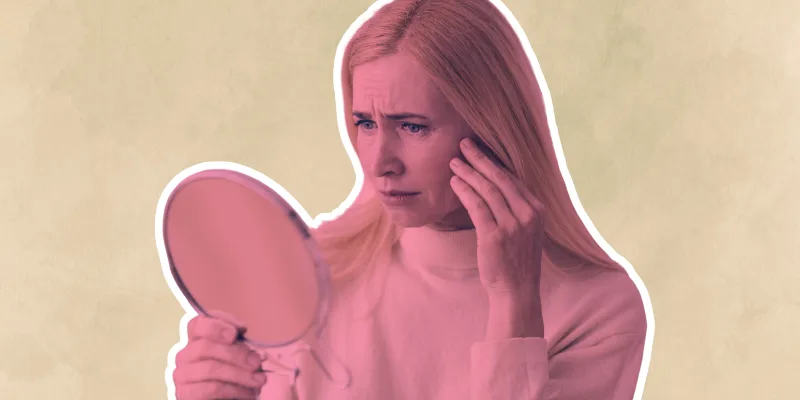

My healthy 72-year-old mother recently decided to start seeing a cardiologist. When she mentioned this to me, I scoffed. “Mom, you’re fine. What’s the point?” I asked. “I just want to make sure I’m OK,” she insisted. I suspected she was wasting her own time as well as the doctor’s, and that she was actively seeking out unnecessary testing. I reminded her that she’s low risk for cardiac disease (she was asymptomatic and of normal weight). She exercises regularly and only takes a statin for her cholesterol, which works well. She went to see the cardiologist anyway.
When she notified me of her clean bill of health, I teased her. “Do you feel better now that you know for sure you’re healthy?” I asked with a slight smirk. Her serious expression pierced my joviality as she sternly replied, “Yes, I do, thank you.” I then recalled that in recent years, it seems as though many of my mother’s friends, family members, and acquaintances had developed life-threatening conditions without apparent warning signs. Mostly cancers, but also heart attacks, strokes, and debilitating neurologic conditions. Is this what aging is all about? I wondered. Biding your time, just waiting for that big bad thing to happen to you?
Throughout medical school, I studied thousands of pathologies. I read the Robbins textbook from cover to cover, marveling at the fact that while there was only a single way for the human body to work correctly, there were countless ways that things could go wrong. I imagined my future doctor persona akin to a medical Sherlock Holmes, piecing together clues to make a diagnosis. However, after several years of practicing medicine, I now understand and value the power of finding absolutely nothing wrong. Rather than detecting pathology, reassuring my patients that they’re healthy is one of the most satisfying parts of my job.
Many people see a doctor for vague issues: a new belly pain, or an incidental finding on an imaging study. As a general urologist, I see various benign conditions that turn out to be nothing serious: kidney cysts, testicular pain, blood in urine. It’s my job to run tests, and in a vast majority of cases, I fail to find any obvious anatomic cause. However, I cannot tell you how many patients leave my office happy with my care, simply by knowing that I’ve done my due diligence and provided some encouraging news. They’re pleased with the knowledge that there’s no monster lurking deep down somewhere, just waiting to sabotage their health and well-being, and they appreciate it even more when I remind them that they’re doing well.
Of course, when I do find pathology present, I have the training, knowledge, and capability to treat it. We all know how wonderful it is to improve someone’s quality of life, or fight chronic disease, or treat cancers. But it can be equally wonderful to treat someone not with medications or surgery, but with the power of peace of mind, and I never could have predicted that it would be such a large part of my career.
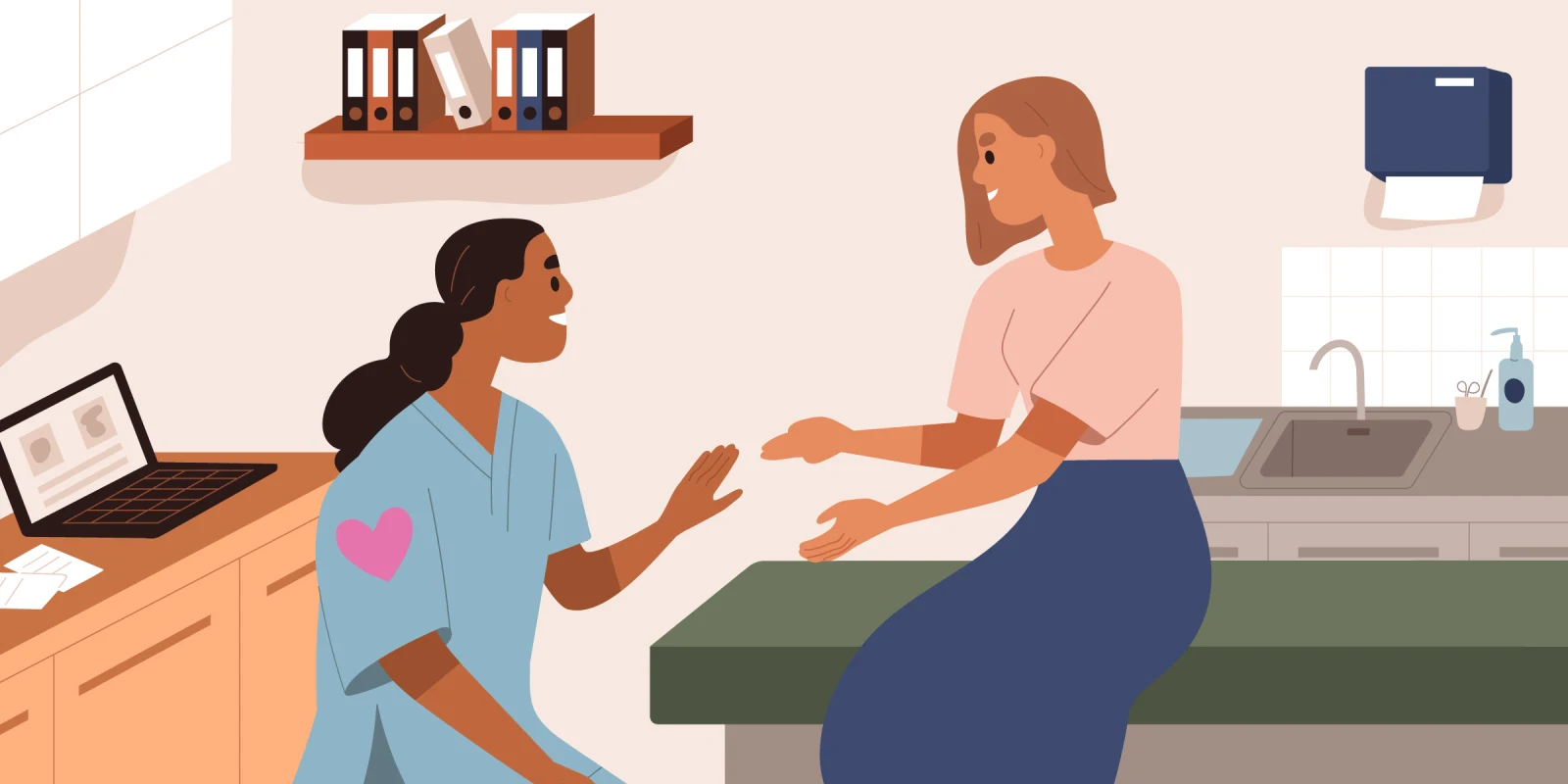
I recently surpassed a significant milestone, a full 10 years of attending life. Looking back on the thousands of patients I’ve seen in the office, and the innumerable surgeries I’ve done, I now understand the value of simply caring for others. Patients want to be able to share their stories. They want to open up to a fellow human without worrying about judgment or gossip. Most of the time, they don’t need an expert diagnostician; they just need someone to connect with and to act as their cheerleader. In today’s landscape, as external forces such as AI, bureaucracies, and burnout threaten the future of our workforce, the doctor-patient relationship needs to retain its place as the cornerstone of medicine, and there’s no better way to forge that bond than to support our patients, and reassure them that they’re going to be OK.
How often do you pause to celebrate a clean scan or a normal result with your patients? Share in the comments.
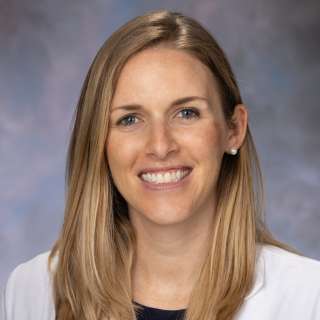
Dr. Fara Bellows is a general urologist based in White Plains, NY. She completed her internship and residency at SUNY Downstate Health Sciences University and graduated from SUNY Downstate Medical Center College of Medicine in 2010. She was previously an assistant professor and attending urologist at Ohio State University Wexner Medical Center and attending urologist at OhioHealth Berger Hospital in Circleville, OH. Clinical interests include kidney stones, male and female voiding dysfunction, and primary urologic cancer management.
Image by GoodStudio / Shutterstock