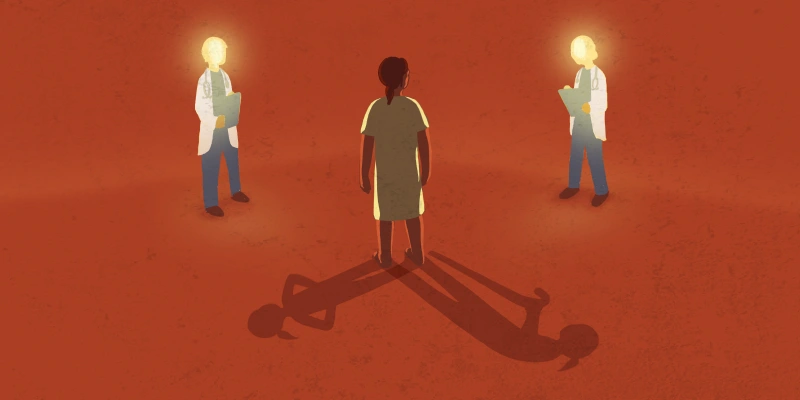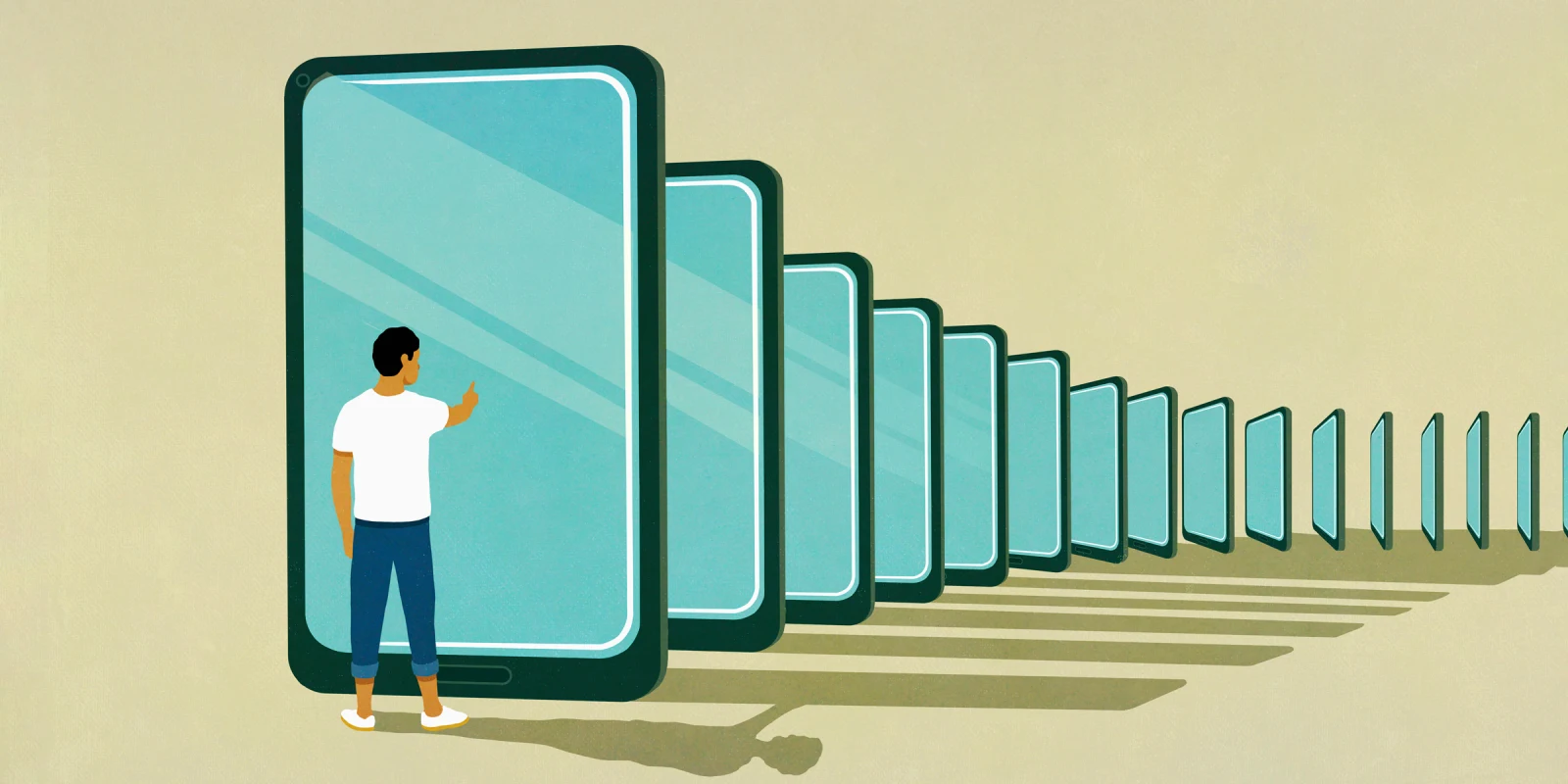

In today’s society, screens have worked their way into nearly every facet of our lives: work, entertainment, communication, and more. This screen ubiquity has led to major societal shifts: a rapid increase in access to information, ease of communication with others regardless of location, enhanced professional collaboration, the list goes on. In the world of medicine, these shifts are particularly apparent: Whether it’s the transition from paper charts to EHRs, the advent of patient portals and messaging, or the integration of telehealth visits, health care today looks vastly different than it did even 30 years ago. Clinicians now spend hours daily in front of our screens, placing orders, reviewing results, documenting visits and interventions, and messaging colleagues and patients. This could be taken as a neutral change — were it not for mounting clinical evidence that finds that there are negative associations between screen time and our health.
Just how bad are screens for us? Anecdotally, I have found that most of my colleagues believe that significant amounts of screen time are unhealthy. In terms of effects on behavioral aspects of development, a 2014 meta-analysis on children and adolescents found an association between increased screen time and ADHD-related behaviors such as hyperactivity and inattentiveness. In older children, the negative health effects of a large amount of screen time seem to move away from predominantly developmental to include other aspects of physical and mental health. A 2019 systematic review published in BMJ Open included studies on screen time with children up to the age of 18. It demonstrated an alarming number of associations: Everything from sleep quality and outcomes to rates of obesity and metabolic syndrome to depression were correlated with increased screen time, in addition to similar behavioral and cognitive associations as those mentioned for children at younger ages.
Unfortunately, the negative associations do not stop at the age of 18. A cohort study published in JAMA Network Open in 2025 evaluated young adults between the ages of 18 and 24 using social media and then implemented a one-week social media “detox.” The group who underwent the social media detox had a significant reduction in rates of symptoms of anxiety, depression, and insomnia, with an impressive nearly 25% reduction in depressive symptoms after just one week of less social media usage. In addition, a 2024 systematic review on the associations between screen time and mental health in adults found that before the pandemic, “high screen times were associated with depression, anxiety, stress, burnout, and lower well-being.”
Further, research shows that the negative effects of screens vary not just by time, but by age, content, and context. In children less than 6 years of age, a 2024 meta-analysis published in JAMA Pediatrics found not just viewing television, but even having television on in the background, was negatively associated with cognitive outcomes. Additionally, this study found that higher exposure to age-inappropriate content was associated with worse psychosocial outcomes. Lending support to the fact that screens are not inherently bad, but that the intent, context, and content of what is being viewed is most important, the meta-analysis found that co-use of screens by children and caregivers had a positive association with cognitive outcomes.
Fortunately, there are ways to combat the potential negative effects of screens — both for our patients and for ourselves.
In terms of recommendations for patients, the American Academy of Pediatrics suggests a Family Media Use Plan, an individualized approach that takes into account each family member’s age, preferences, and priorities to develop a unique plan for the family based on their values and goals. We should encourage patients to create such a plan for their families and conduct appropriate oversight of the content their children are engaging with on screens. Furthermore, intentionally co-viewing content with children may be beneficial as well.
In terms of personal mitigation, screens are an inherent part of our daily work as clinicians. However, there are still steps we can take individually to improve our well-being. Taking frequent breaks when able can be helpful to break up the monotony of staring at our computers. Additionally, we should protect our time outside of necessary duties from screen-related practices that may worsen our overall well-being. While mindless social media scrolling may feel good in the moment on our short lunch break, this could also contribute to the feeling that we can’t get away from screens, not to mention the mental health concerns associated with social media outlined above.
Further, in order to ensure our own screen usage outside of our professional lives is not more harmful than it is beneficial, we should limit the amount of time we spend on screens when not at work. When we are home for the evening, it can be easy to fall into catching up on work tasks on our screens or letting the television play in the background, but likely the best use of our time off would be taking part in social interactions with families and friends and leaving our screen usage to specific intentional times planned for in advance.
Ultimately, screens (be they phones, computers, or tablets) aren’t going anywhere — not just because they’ve become normalized, but because they’re a necessary and integral part of the care we provide as clinicians and the work we perform. However, with intentional use and introspection into our own practices, we can work to ensure screen time is mitigated for risk and maximized for utility — both for our patients and for ourselves.
How do you limit your screen time as a busy clinician? Share in the comments!
Dr. Del Carter is a family medicine resident physician in Tallahassee, FL. He enjoys traveling, watching Florida Gators sports, working on cars and motorcycles, and spending time with friends and family. He can be found on Instagram and X at @DelCarterMD. Dr. Carter was a 2024–2025 Doximity Op-Med Fellow, and continues as a 2025–2026 Doximity Op-Med Fellow.
Image by Malte Mueller / Getty Images