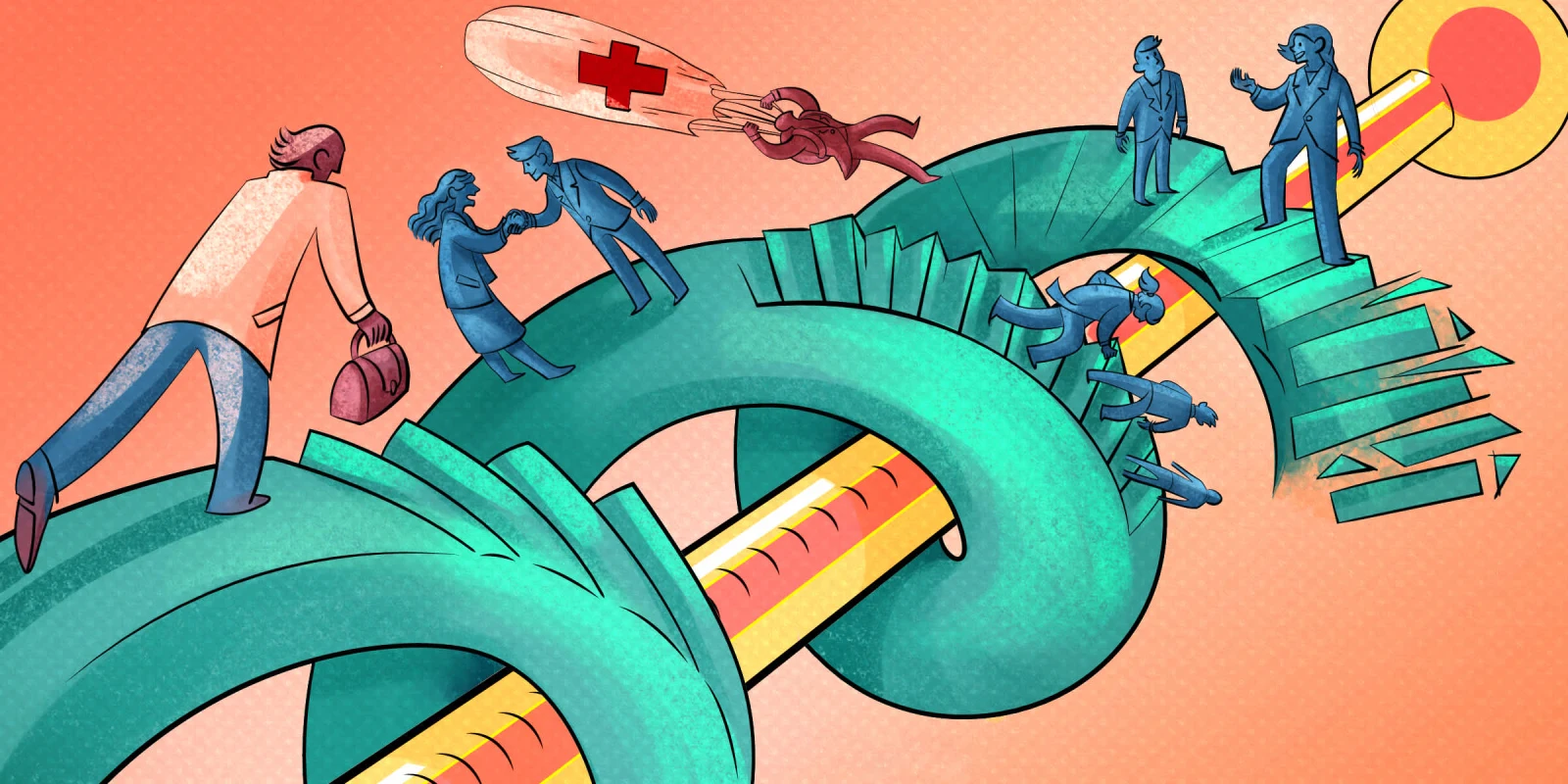

From the outside, residency looks like the culmination of a dream. Match Day photos glow with joy and optimism, but the truth is that the glow fades. July arrives, the pager tone becomes synonymous with dread, and the first “low” hits. Then another. And another. Before long, the walls of the hospital feel like they are closing in, and you catch yourself wondering how you got here and why you’re still doing this.
Recently, I watched one of my junior residents describe her experience at a conference. Her whole posture changed. She lit up in a way I hadn’t seen in months. And it reminded me that at their best, conferences help us return to the “why."
But getting the most out of a conference doesn’t happen by accident. As residents, we often feel like impostors. Do I belong? Is this a dumb question? Does everyone already know each other? I’ve had all those thoughts, and sometimes still do, but I’ve learned that preparation makes a huge difference in the conference experience. Here’s the roadmap I wish I had earlier.
1) Identify 2–3 people you want to connect with
A simple cold email works. Something like: “I’ll be at the meeting and would love to say hello.” Most faculty remember what it felt like to be a trainee trying to find their footing. They will make time. And if they don’t reply? Follow up once or twice. The worst outcome is silence, which is not actually that bad.
2) Use your existing network (even if it’s small)
If you know even one person attending, ask them to introduce you to someone they think you should meet. Sometimes the best introductions come from shared interests, similar backgrounds, or parallel career goals.
Networking doesn’t have to be an “ask.” It can simply be establishing a relationship so that, months, or even years later, you can reach out with a clinical question, a research idea, or a simple update on your professional development. You never know how you might help someone else, or how they might help you. These small interactions will gradually build a sense of belonging as you find yourself becoming integrated as a part of the community.
3) Be intentional with sessions
I use a simple rule:
- One session I’m excited about
- One I know nothing about
- One outside my comfort zone (this would be the one where you say “No way” as you’re reading the agenda)
That mix keeps me engaged without burning out. It also broadens my perspective in ways I don’t always expect.
4) Do something fun
A morning run. A museum. A local coffee shop. Joy counts as professional development. It reminds you that you’re a person first, a resident second.
5) Reflect and follow up
When I get to the airport gate, I take a few minutes to jot down memorable moments from the conference, whether it be clinical pearls, interactions, or pieces of advice shared on stage or directly with me. I also make note of who I want to follow up with. I try to send those emails or texts within 24 hours – even a simple “Great to meet you” is enough to anchor the connection. A month later, I ask myself:
- What moments stayed with me?
- Would I return next year?
- Would I recommend this meeting to my juniors?
Sometimes the answer is an enthusiastic yes. Sometimes it’s an even more enthusiastic no. Both are useful. “No” means my professional identity and priorities are taking shape.
You don’t have to wait for the light at the end of the tunnel. Go to a conference and you’ll see it around you in the potential mentors who have made it through the hard times, or you’ll be re-inspired by the students and more junior trainees who are still glowing with that Match Day excitement you can barely remember.
Watching my junior resident talk about her conference reminded me that these gatherings are not just academic rituals. They are opportunities to reconnect with purpose, to find mentors and peers who understand the path you’re walking, and to rediscover the parts of medicine that feel expansive rather than constricting.
As residents, we spend so much time in the trenches that it’s easy to forget the horizon. Conferences, when approached with intention, offer a glimpse of that horizon. They remind us that we are part of a field that is constantly evolving and that we have a place in shaping where it goes next.
What do you wish you knew before attending your first conference? Share in the comments!
Melinda Z. Fu is a PGY4 urology resident at Rutgers Robert Wood John Medical School. She is passionate about bladder cancer care, medical humanities, and global health equity.
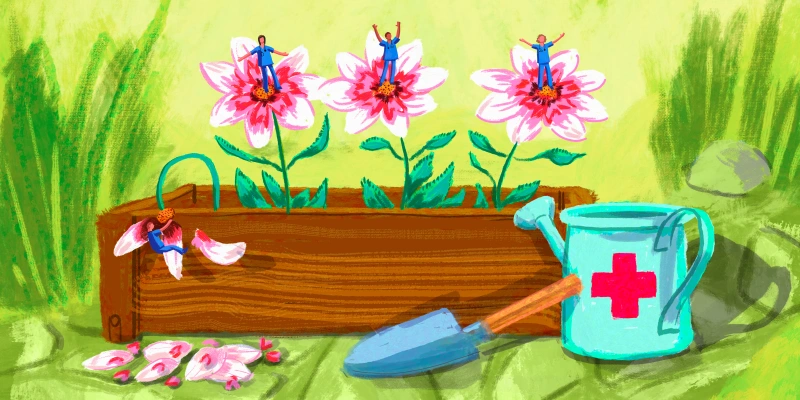
Illustration by April Brust