
I never imagined that a personal comment on social media could be taken, amplified, and used against me before I even saw my first patient in a new role. Yet in today’s climate, that’s a reality many physicians and other health professionals may face. The term doxing — publishing personal or professional details online with the intent to intimidate or harm — has shifted from internet curiosity to professional hazard.
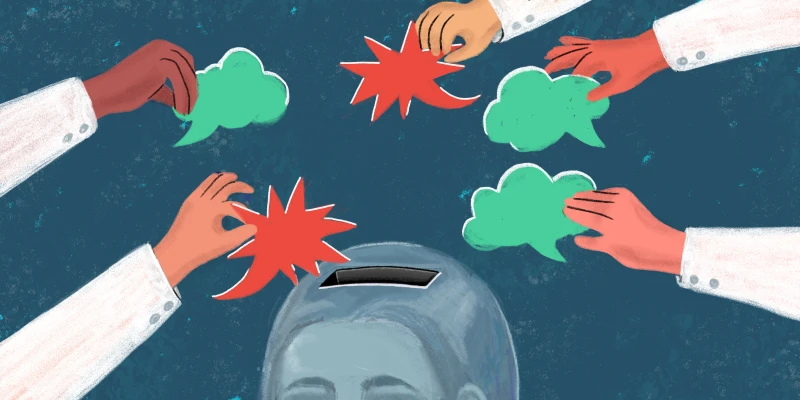
I had shared a brief comment on a friend’s post. It was not intended to be harmful, but it was lifted out of its original context, reposted on a much larger platform, and quickly spread beyond my control. Along with the comment, my name, photo, and employer were shared, and strangers were urged to target me.
Within hours, I received harassing messages, my employer’s social media pages were flooded with false reviews, and calls were made to my workplace. The outcome was that I lost my attending position before it even began — not because of the comment itself, but because of how it was distorted and amplified online.
That experience underscored how fragile our reputations are in the digital age, and how quickly something can spin far beyond its original intent. Of course, not all social media platforms pose the same risks. Each has its own culture, speed, and reach:
Facebook: Personal posts or comments can easily be screenshot and shared outside their intended audience. Community groups can amplify local controversies in damaging ways.
X (formerly Twitter): Highly public and rapid-fire. The short character count strips nuance, making statements easy to misinterpret or inflame.
Instagram and TikTok: Visual-first platforms where photos or short videos can go viral in minutes. Content can be reshared or edited out of context, making it nearly impossible to regain control once it spreads.
YouTube and blogs: Long-form platforms allow for depth, but also leave a larger archive for critics to dissect and reframe.
LinkedIn: Viewed as professional, but posts here often reflect not only on the individual but on their employer and the profession as a whole.
The common denominator is permanence and amplification. Whether through shares, reposts, or algorithms, what feels like a comment among friends can quickly become a viral flashpoint.
This is not just anecdotal. Research shows that unprofessional or questionable content online is common among trainees and early-career physicians. A 2025 study of nearly 500 medical students and interns found that many had material online they would not want mentors or patients to see. Some were even connected to patients through personal accounts.
Professional organizations like the American Medical Association and the FSMB emphasize that online behavior is part of our professional footprint and should be approached with the same judgment we bring to clinical encounters. Legal cases have underscored the stakes as well. In McKee v. Laurion, a dispute over patient reviews escalated into litigation over defamation and free speech. Although dismissed, it highlighted how fragile and contentious online reputation can be.
Of course, physicians have freedom of speech. But our speech carries particular weight. If a comment can be perceived as “othering” or biased, it risks eroding patient trust. The ethical principles of beneficence, nonmaleficence, and justice extend beyond the clinic: Our public words can shape whether patients feel safe in our care.
Practical Steps for Physicians
Audit your accounts: Make profiles private when possible and review old content with a professional lens.
Pause before posting: Ask, “If a patient or employer saw this tomorrow, how would it read?”
Separate personal from professional: Use work accounts for education and outreach, and personal accounts for limited circles.
Know your policies: Many employers and boards discipline online conduct that undermines professionalism.
Plan for harassment: Document carefully, seek institutional or legal support, and use reporting mechanisms.
Model best practices: Leaders should mentor younger clinicians on navigating social media responsibly.
Guarding our digital presence isn’t about silencing ourselves. It’s about recognizing the privilege and responsibility that come with the white coat — even off duty. Patients deserve confidence that their care is unbiased, and institutions need assurance that we represent them well.
As I learned firsthand, one small comment can be magnified far beyond its intent. Thoughtful, careful engagement across platforms may be our best protection — not only for ourselves, but for the trust our patients place in us.