
No one really talks about death — especially in medical school. As medical students, we are trained to diagnose and treat; death, when it occurs, is often framed as a failure rather than a subject worthy of study in its own right. But in doing so, medical education risks overlooking a critical dimension of care that persists even after life has ended.
What happens when an entire dimension of care is neglected during training? One of the clearest consequences of this gap is a profound shortage of forensic pathologists. In the U.S., there are more astronauts than there are graduating forensic pathologists entering the field each year. Annually, about 40 new physicians join the cohort of about 500 practicing board-certified forensic pathologists. This small number of doctors is responsible for investigating about half a million deaths annually. Suspicious, unexpected, or accidental deaths are investigated by medicolegal death investigators, namely coroners and medical examiners (ME). Forensic pathologists are tasked with performing autopsies to determine the cause and manner of death in these cases. The death certificates produced are important pieces of data representing the country’s health, and determining the cause of death in these cases is critical for deciding where to invest in preventive health measures. Yet most medical students will graduate without ever learning how a death certificate is completed or interpreted, despite the reality that they will rely on their data every day in their future careers. For example, depending on a region’s causes of death, health systems may choose to invest in hypertension screening or transportation to reduce delays for emergency care. For these interventions to be effective, the data that epidemiologists rely on must be accurate, and the best way to ensure this accuracy is with investigations fully staffed by attentive forensic pathologists, rather than overworked or burnt out. But to meet these demands, it is estimated that the U.S. needs a staggering 1,200 more practicing medical examiners: twice the number currently in practice. Unfortunately, the answer is not as simple as just hiring more MEs.
Overworked and understaffed MEs not only lead to ineffective public health efforts, but also cripple timely data-driven interventions. When autopsies are rushed or never performed, causes of death go unconfirmed, overdose and homicide trends persist and are underestimated, and policymakers lose one of their most powerful tools for targeting prevention resources where they’re needed most. For medical students still considering different career paths, this reality is rarely discussed or meaningfully explored during training.
While burnout is highly documented in health care and garnering nationwide recognition over the last decade, forensic pathologists are particularly overlooked, given severe staff shortages without the ability to decline incoming cases. Unlike other specialties, forensic pathologists cannot cap patient panels or close clinics when they reach capacity. The deceased also need somewhere to go despite how many cases are already at the morgue. In populous areas of the country, ME offices risk losing accreditation when there are too many autopsies per practicing physician. Such a high workload is incompatible with job satisfaction. To alleviate this stress, more forensic pathologists must be recruited to the field, but two overarching themes prove to be rate-limiting steps: the disassociation of forensic pathology from the traditional practice of medicine and the lack of investment.
Most students enter medical school wanting to save lives, avoiding death at all costs. What’s missing from that conversation is that death also requires care. Medical education teaches us how to fight disease, but rarely how to learn from death. Or how much responsibility physicians still carry even after a life has ended. Forensic pathology is one of the ways that we can continue to serve patients. Determining the cause of death provides families and care teams closure and justice. Further, there is vast potential for medical advancements by studying the experiences of the dead, which provides an understanding of the pathologies that ail the living.
As Atul Gawande reflects in "Being Mortal," medical training leaves students unprepared to engage with mortality in a human and curious way. Media misrepresentation, negative perceptions, and limited inclusion in medical school curricula add to a misinformed culture that dissuades us from learning more. To make matters worse, the only exposure that most medical students have that resembles an autopsy is the cadaver lab, where anatomy is meticulously dissected for hours on end while students breathe in the nauseating fumes of formalin. This universal and canon MS1 experience is foundational but bears little resemblance to what the practice of forensic pathology truly looks like. Often, it reinforces the misconception that pathology is isolated and detached from patient care.
Among medical students, interest in pathology remains low — less than 1% of medical graduates enter the field of pathology. Within pathology, interest in forensics remains low with only 3% of pathologists choosing the subspecialty. To address misconceptions and expose students to the field, medical schools must offer forensic pathology electives at coroner or ME offices to provide hands-on experience with autopsies early in their training. As it stands, by the time students encounter pathology, many have already committed to other specialties. With how early specialty interests form, delayed exposure all but forecloses pathology as a realistic option. At a minimum, the AAMC should mandate incorporating forensic pathology into the preclinical curriculum to expose students to current practices.
Beyond the lack of exposure to the field, there is a lack of financial incentive for pursuing the field. Forensic pathology is one of the few subspecialties where physicians make less money after subspecializing (primarily associated with the governmental nature of the job). The average forensic pathologist makes $187,000 for the first five years of their career. Compare this to the average medical school debt in 2024, which was estimated to be $214,000. Even for the most interested, for students with six-figure debt, choosing forensic pathology can feel like a financial risk.
In addition to advocating for salary increases, loan forgiveness is another incentive that may attract candidates to the field. The College of American Pathologists, among others, have pushed for a federal forgiveness program specifically for forensic pathologists, citing workforce shortages, high student loan debt, and low salaries. However, the recently passed One Big Beautiful Bill poses a major setback in terms of debt management for physicians, with the threat of loan forgiveness programs cuts looming overhead. This is precisely why education — of medical students, their preceptors, and policymakers alike — on the importance of death investigation is necessary to support legislation created to protect programs like Public Service Loan Forgiveness, allowing medical students to consider forensics without financial constraint.
The shortage in health care continues to strain as the population ages and the consequences of neglecting death investigation will only intensify. For medical students and educators, this moment presents a clear opportunity to reconsider how death, pathology, and forensic medicine are integrated into training. The value of forensics is often overlooked, which further strains the limited resources and personnel in the field. If students are never shown the role forensic pathologists play in patient care, public health, justice, and community well-being, they cannot choose it as their career. Educators, in turn, cannot cultivate interest in specialties that remain invisible within training.
Justine Newman, BS, is a sixth-year MD/JD student at Southern Illinois University School of Medicine. Claire Sagartz, BS, is a fourth-year MD student at University of Illinois College of Medicine-Rockford. The authors thank Varna Kodoth, MPH, a fourth-year MD student at Loyola University Chicago Stritch School of Medicine and Meghana Reinhardt, BS, a third-year MD/MPH student at University of Illinois College of Medicine-Rockford for their assistance in research and writing for this piece.
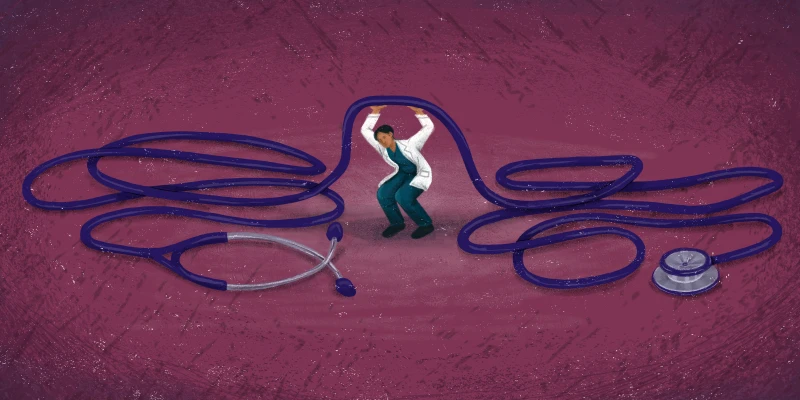
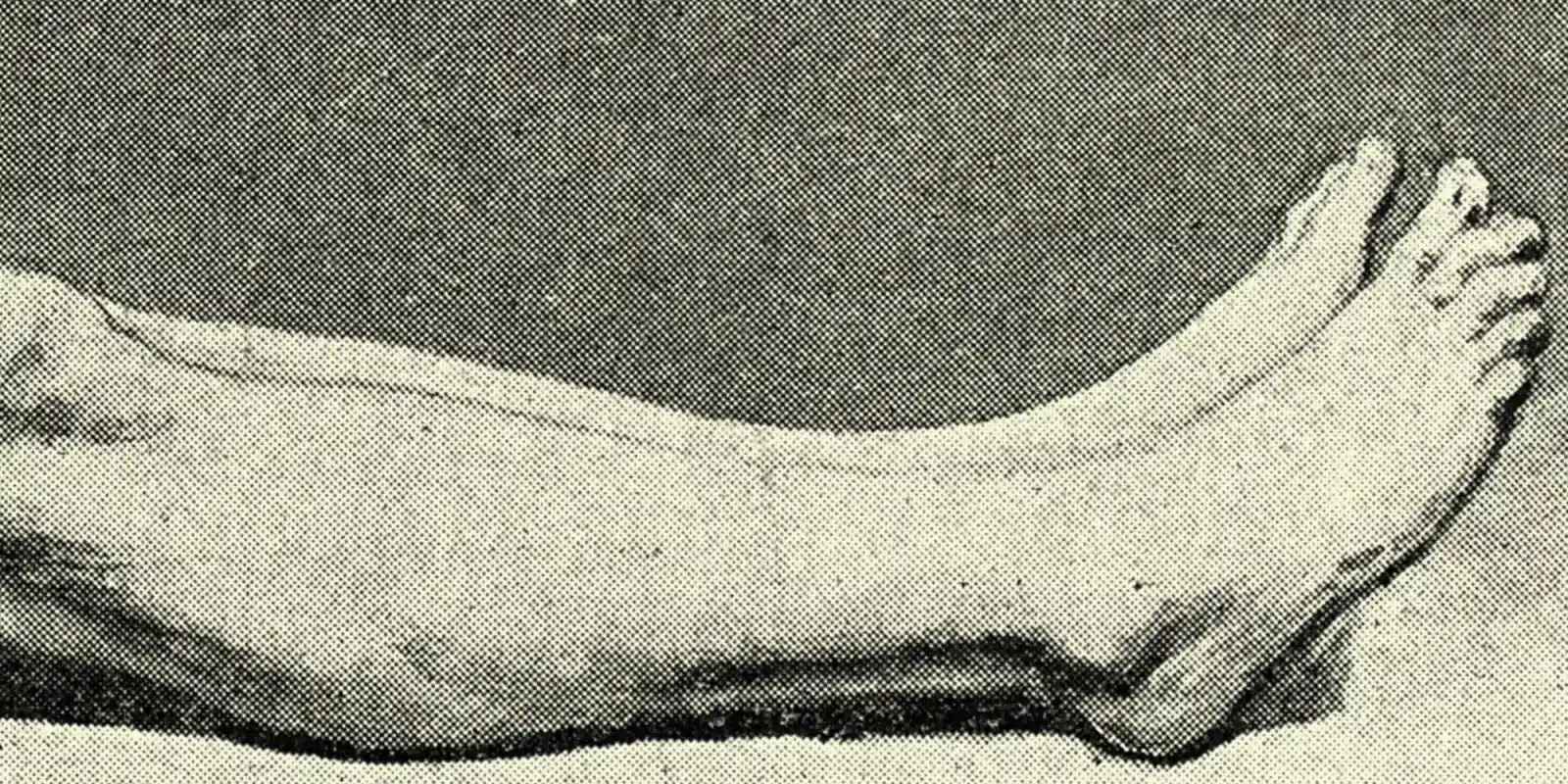
Image by duncan1890 / Getty Images