
Several years ago, during a routine follow-up for his ADHD, a young man asked me to add a mood stabilizer, not because he was manic or depressed.
His stimulant was working. He was focused, productive, sleeping reasonably well most nights. By most measures, the ADHD medication was doing its job. But he told me he was “too emotional.”
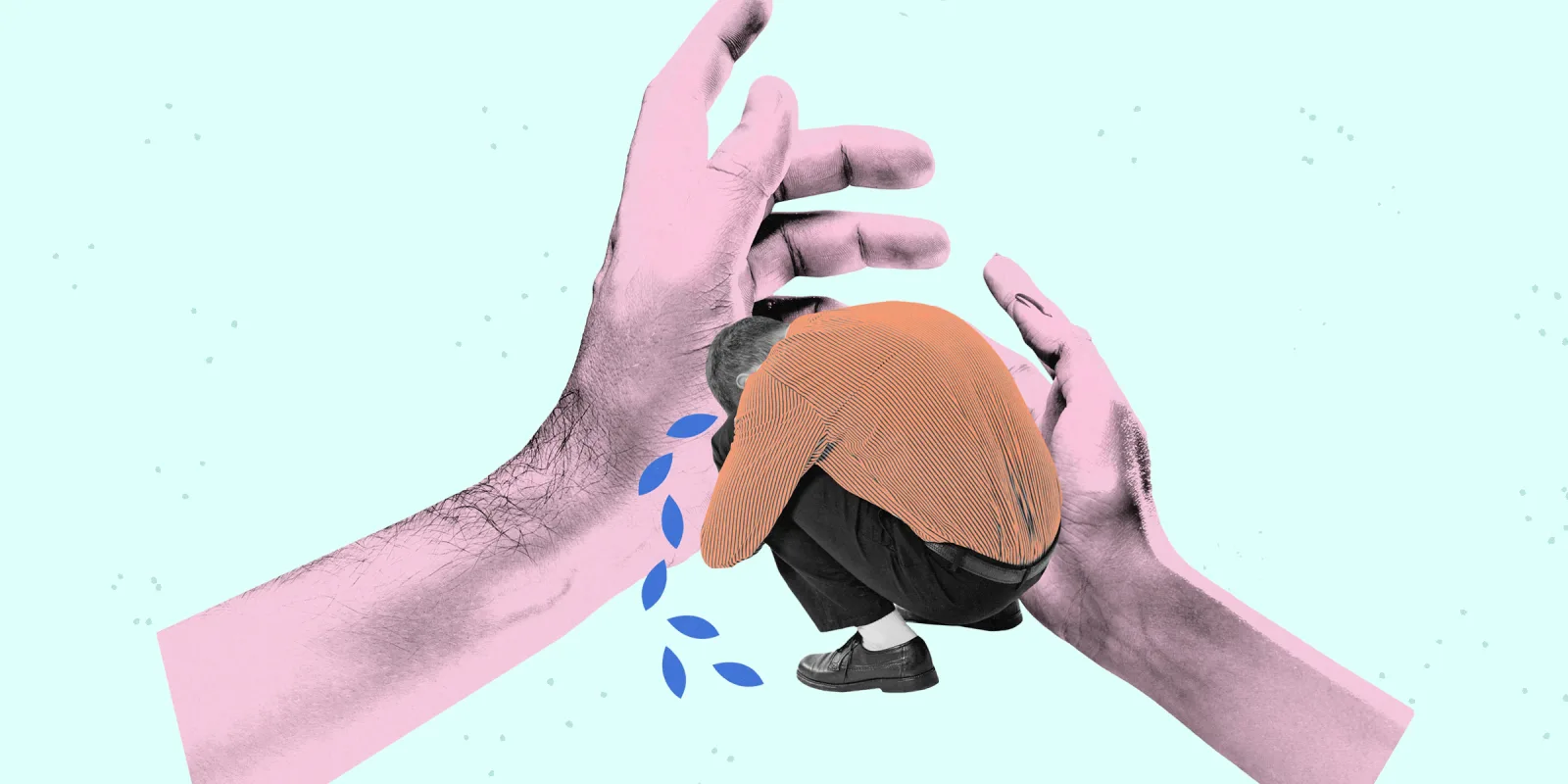
This patient described intense reactions to criticism and sometimes to things that might not even have been criticism. A delayed text message. A supervisor saying “We’ll talk later,” without looking up.
In those moments, his face would flush, his jaw would tighten, his shoulders would rise defensively. Long after the physical reaction settled, this patient replayed the interaction, especially at night. Sleep would fragment, not because he felt energized, but because he couldn’t stop replaying it. He scrutinized tone, facial expressions, pauses in conversation, searching for evidence that he had gotten it wrong.
Sometimes it came down to a single question looping in his mind: Did I just mess something up without realizing it?
He worried this reaction, and this rumination, meant he had bipolar disorder.
It didn’t.
What stood out was how predictable the reactions were: They were immediate, interpersonal, and clearly triggered. Outside those moments, the patient was steady. No decreased need for sleep. No expansive mood. No sustained depression. No cyclical shifts.
Early in my career, I might have added something to his regimen.
Instead, I slowed down. Was this coming out of nowhere, or was there always a trigger? Did it resolve when the situation resolved? Was the sleep disruption about energy, or was he just laying there going over it again?
Those distinctions have saved many of my patients from unnecessary medication changes.
With him, we didn’t add a mood stabilizer. I have had ADHD patients who did need one, but they looked different. Their mood changes were episodic, sustained, and not always tied to a specific trigger. Sleep decreased without fatigue, and energy increased on its own. Irritability or elevation lasted days, not hours, sometimes accompanied by impulsivity or grandiosity that extended beyond interpersonal sensitivity. This patient, on the other hand, had reactions, not episodes.
And so, we named the pattern and mapped his triggers. We paid attention to early cues, the jaw tightening, the heat in his face. When he noticed them, he would put cold water on his face or step outside for a brisk walk.
For the rumination, we added structure instead of willpower: a five-minute timed writing exercise. A scheduled rumination window earlier in the evening so the thoughts didn’t take over at 2 a.m. The issue at hand wasn’t the replaying of events — it was when that replaying crossed the line from reflection into something that produced not insight but repetition, and began costing him sleep.
This patient’s issue wasn’t a mood disorder: it was his threat system lighting up. Instead of avoiding meetings, we practiced staying in the room. He didn’t have to perform better or feel confident. He just had to walk in, sit down, and say one thing.
Over time, he began to see that discomfort wasn’t the same as danger.
The sensitivity didn’t disappear. But the urgency softened. He stopped asking for medication changes. He stopped worrying that he had a progressive mood disorder.
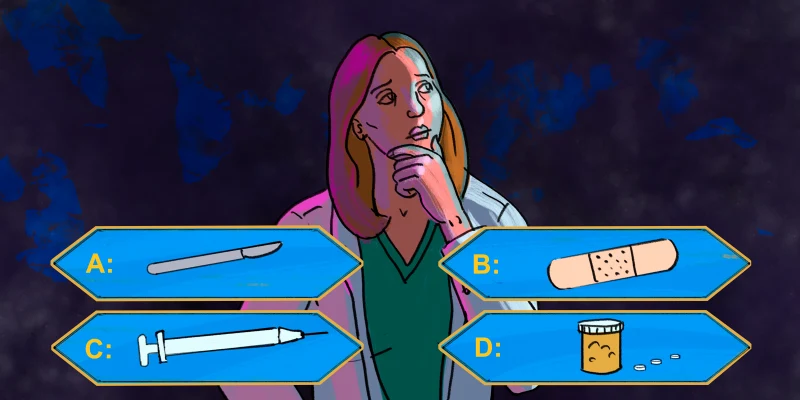
I’m seeing more adults with ADHD in primary care than ever, and the pressure from patients and from ourselves to add another medication can be strong. Medication feels concrete. Decisive.
But I’ve seen mood stabilizers added when what was really needed was a more careful look at the pattern.
Not every intense reaction is a mood episode — i.e., a sustained change in mood and energy that lasts days to weeks, represents a clear departure from baseline, and is not dependent on a specific trigger. Sometimes it’s just an intense reaction.
And even though ADHD can amplify reactivity, it does not create the sustained, autonomous shifts in mood and sleep that define bipolar illness. The important thing for this patient, and for others to come, was to consider scale. This case shows me that sometimes the most useful thing we can do for our patients is not give them more meds — it’s to slow down long enough to see what’s actually happening.
Vania Modesto Lowe, MD, MPH, is a board-certified psychiatrist and addiction psychiatrist who teaches medical writing at Quinnipiac University and enjoys writing on addiction and ADHD.
This article is part of the Medical Insights vertical on Op-Med, which features study breakdowns, resources, and insights from Doximity members on popular topics in medicine. Want to submit to Medical Insights? See our submission guidelines here; note that we are especially interested in articles covering oncology, dermatology, or rheumatology.
Image by Anton Vierietin / Shutterstock