
A friend of mine, a nurse, sent an email one morning pointing out a safety issue. Nothing dramatic. Just something she noticed that didn’t seem right, the kind of thing medicine tells us constantly that we should speak up about.
See something. Say something.
Shortly after she sent it, her phone rang. Leadership. Not to discuss the safety issue itself, but to advise her to be careful about putting concerns like that in writing. She texted me afterward: “I had a feeling this might happen.” The exchange stayed with me all day — not because it surprised me, but because it didn’t.
I learned that lesson years ago. Early in my career, a resident once came to me with a safety concern and wasn’t sure what to do with it. I remembered what we were taught in quality trainings: report near misses so systems can learn and improve before someone gets hurt. So I told the resident to submit it through the reporting platform.
Not long afterward, I received an irate phone call from someone in leadership asking why “my resident” had done that. The issue wasn’t the safety concern itself. The problem was that it had been documented instead of handled “locally.” When I mentioned that we were encouraged to report near misses so the system could improve, the response was essentially a dismissal.
We handle these things in conversation.
No one formally reprimanded me. No policy changed. But I understood the message.
Medicine talks a great deal about safety culture. Hospitals invest enormous time and energy teaching clinicians about speaking up, reporting concerns, and learning from mistakes. We often reference disasters like the Space Shuttle Challenger disaster as reminders of what happens when warnings go unheard.
But we rarely talk about the moments that happen before disasters — the phone calls, the subtle signals, the conversations that teach people it might be safer not to put concerns in writing. Over the years, I have seen many versions of this moment. Sometimes the response to raising a concern isn’t about the issue itself but about how it was raised.
Why did you go over my head?
Why put all those details in writing?
Your tone in that email wasn’t appropriate.
This isn’t something to bring up in a staff meeting. Next time bring it to me privately.
None of these responses are dramatic. No one is formally disciplined. The conversations are often framed as guidance. But people are always watching. They notice what happens when someone raises a systems problem. They see which conversations create discomfort and which ones quietly disappear.
Residents notice especially. They occupy the most precarious position in the hierarchy: learning, dependent on evaluations, unable to simply leave if an environment becomes difficult. When something happens to a colleague who speaks up, they absorb the lesson immediately. Not through policy or training modules, but through observation.
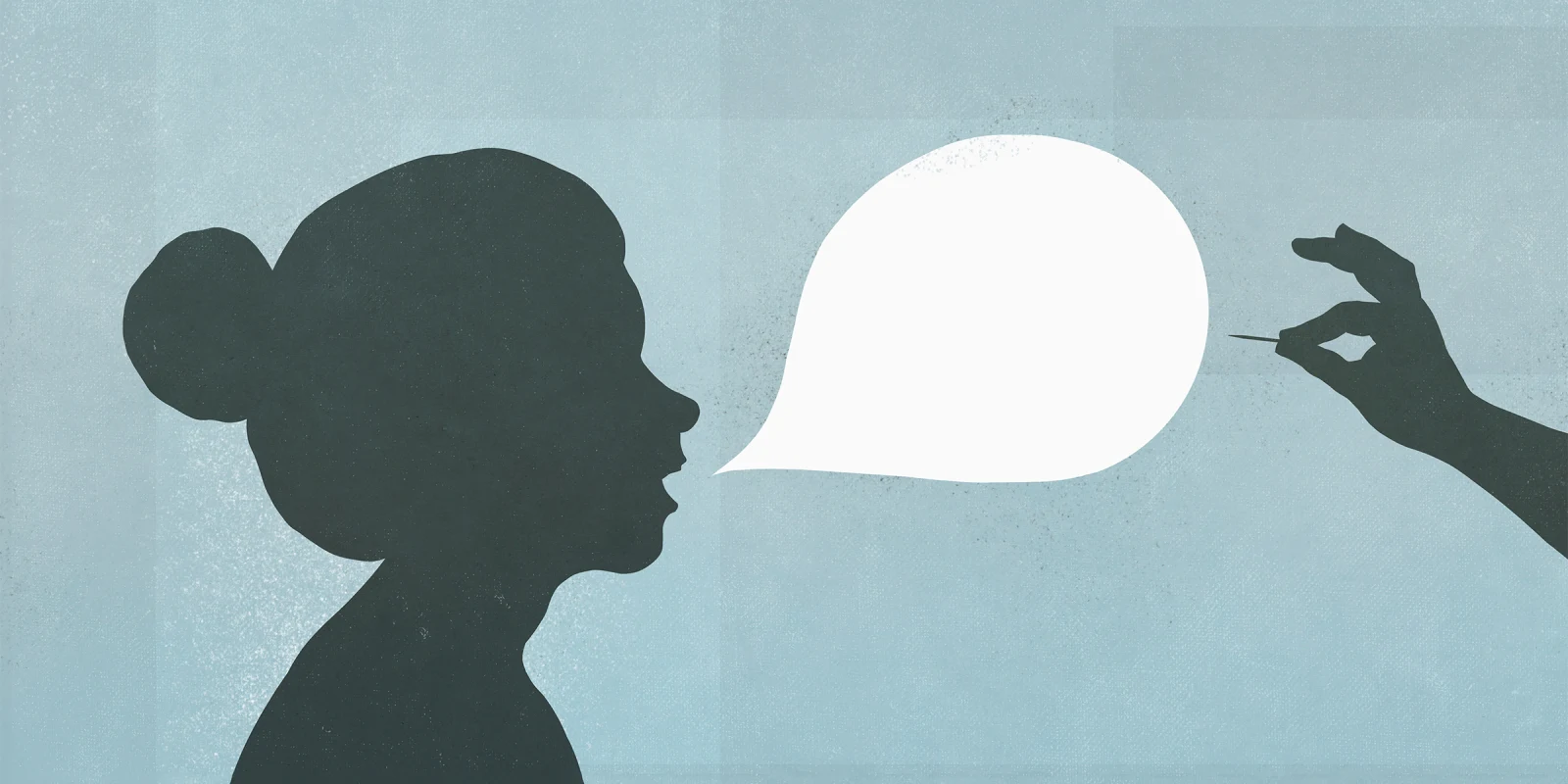
Over time, people learn which concerns are welcome and which ones are inconvenient. Most importantly, they learn when speaking up might create more problems than it solves. This is how safety cultures erode — not through formal policies, but through small moments that teach people that raising concerns carries risk. The irony is that the people raising these concerns are usually doing exactly what the system claims to value: noticing problems early.
Medicine has embraced the language of Just Culture — the idea that reporting safety concerns should lead to learning rather than blame. The concept is sound, and the intentions are good. But culture is not created in seminars or slide decks. It is created in everyday interactions, in the phone calls that follow an email, the conversations that happen after someone raises a concern.
Psychologists call this psychological safety, the shared belief that it is safe to speak up. But in medicine that belief is often shaped less by policies than by how leaders respond in the moment when someone actually does.
In medicine we often talk about the formal curriculum: the lectures and policies designed to teach clinicians how systems should work. But there is always another curriculum running alongside it — the hidden one. It is the set of lessons people absorb by watching how things actually unfold. Sometimes the difference between a culture where people speak up and one where they stay silent is surprisingly small. A phone call that discourages documentation sends one message. A reply that thanks someone for raising a concern sends another.
Over time, those observations become their real education. Because the true curriculum of safety culture is rarely taught in a classroom. It is learned by watching what happens to the people who speak.
Jenna Taglienti, MD, is a psychiatrist and residency program director. Her writing explores psychological safety, the hidden curriculum of medicine, and the human dynamics of health care culture.
Image by Malte Mueller / Getty