
When I first introduced thyroid nodule nanosecond pulsed field ablation (nsPFA) into my practice in early 2025, I expected it to offer patients another minimally invasive option for treating symptomatic benign thyroid nodules, in addition to thyroid nodule radiofrequency ablation (RFA). What I did not anticipate was how quickly it would reshape conversations with patients about what treatment can look like.
For decades, the pathway for patients with compressive or cosmetically concerning thyroid nodules was narrow: observation, medication, or surgery. The introduction of thyroid nodule RFA in 2019 expanded the therapeutic options for symptomatic large nodules, but it relies on thermal energy. As I often explain to patients, “RFA heats the adjacent tissue until it can’t recover … the tissue dies, and then it shrinks over time.” That process works well for many nodules, but it also creates predictable changes in ultrasound images and carries inherent risks when working near the recurrent laryngeal nerve or trachea.
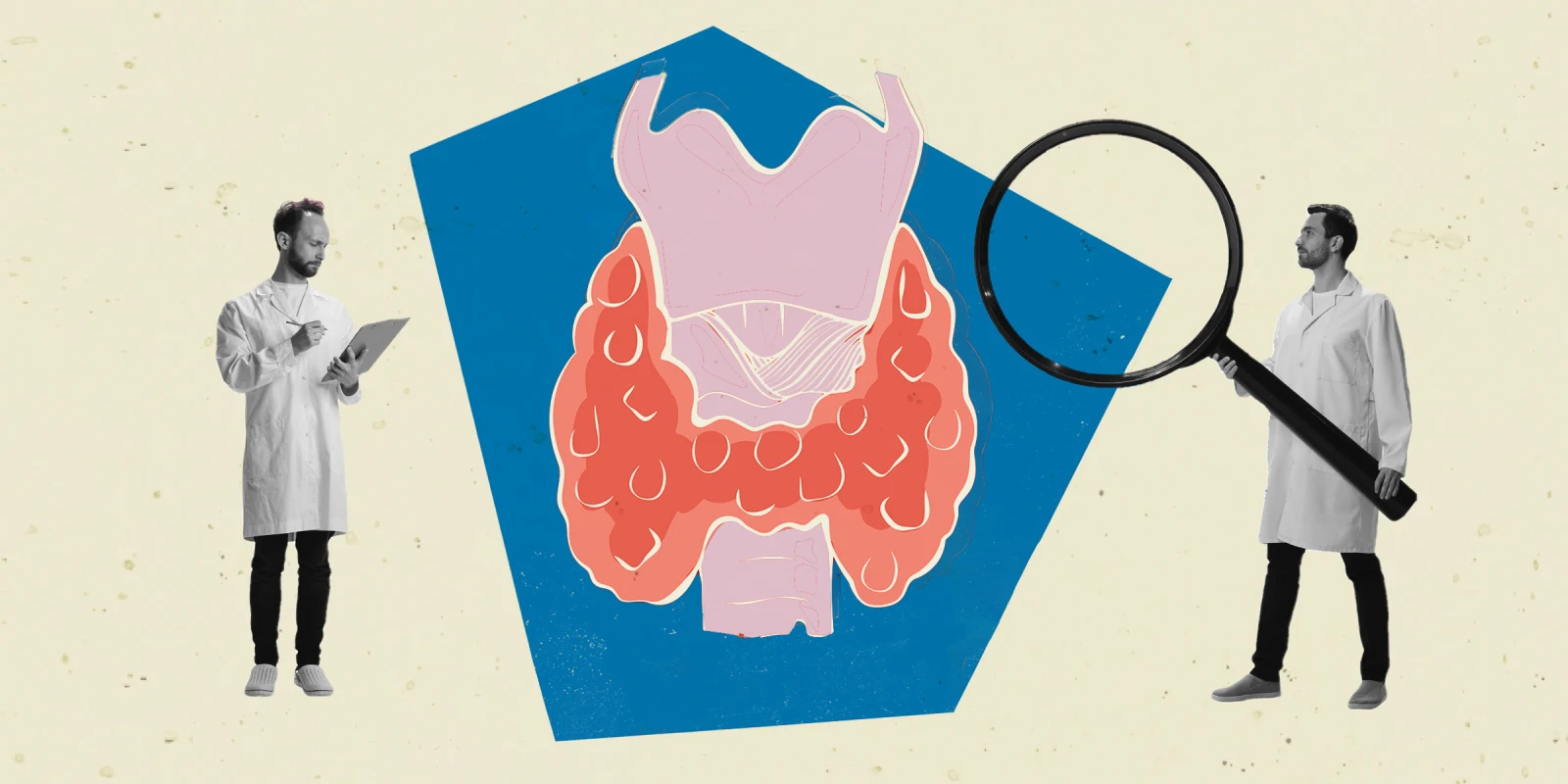
Thyroid nodule nsPFA introduced something fundamentally different: a non‑thermal, cell‑specific method of ablation that preserves surrounding structures while inducing regulated cell death within the nodule. The mechanism avoids heat spread, allowing treatment to get close to critical structures without damaging them. In practice, this has translated into a procedure that is both precise and predictable, with minimal discomfort and rapid recovery.
Over the past year, I’ve seen a noticeable shift in how patients approach their thyroid care. Many arrive after months — or years — of “watchful waiting,” frustrated by symptoms that affect swallowing, sleep, or confidence. Others come in specifically asking whether their nodule is a candidate for non‑surgical treatment. They want to understand how nsPFA differs from thermal ablation, what recovery looks like, and how quickly they can return to work.
What has surprised me just as much is the growing interest from PCPs, endocrinologists, and ENT specialists. Many are looking for alternatives for patients who are not ideal surgical candidates or who simply want to avoid general anesthesia. These clinicians are increasingly aware that benign thyroid nodules can cause meaningful symptoms even when laboratory values remain normal. They are also more attuned to the fact that patients value choices — especially those that preserve thyroid function.
From a procedural standpoint, nsPFA has been straightforward to integrate. The non‑thermal mechanism reduces concern about heat spread, and the bipolar electrode design allows for controlled, targeted delivery. As I’ve shared with patients, “You can treat very close to the nerve or trachea without damaging those structures … the energy pulses don’t disrupt collagen, cartilage, or blood vessels.” Patients typically resume normal activities within one day and follow‑up imaging has shown consistent volume reduction within a month. Symptomatic improvement has been excellent.
Of course, not every patient or nodule is a candidate for ablation. The nodules we treat must be biopsy‑confirmed benign, usually with either two benign FNAs or one benign FNA supported by low‑suspicion ultrasound features or evidence of a functional nodule. Size matters too; nodules generally need to be larger than 2cm and also causing symptoms — difficulty swallowing, pressure when lying down, voice changes, or a visible cosmetic concern.
nsPFA brings its own procedural nuances, particularly for nodules in challenging locations, and that has shaped how I approach certain cases. Solid or predominantly solid nodules tend to respond best. Patients with suspicious lymph nodes, or indeterminate or malignant cytology, are not ideal for this procedure, and we also avoid treatment during pregnancy, or when a patient cannot safely tolerate the procedure. Understanding these boundaries has helped me better guide patients toward the option that aligns with both safety and their personal goals.
As with any new technology, thoughtful patient selection remains essential. Not every nodule is appropriate for ablation, and not every patient prioritizes the same outcomes. Some value the definitive nature of surgery; others prioritize avoiding a neck incision or lifelong thyroid hormone replacement. The key is understanding what matters most to each individual and aligning treatment accordingly.
One of the most meaningful aspects of adopting thyroid nodule nsPFA has been the shift in expectations — both mine and my patients’. Instead of assuming that their only choices are surgery or radioactive iodine — with the possibility of lifelong thyroid medication — patients now see a spectrum of options including thermal and non-thermal ablation. And instead of assuming that a symptomatic nodule must be removed, referring clinicians increasingly ask whether it can be treated in a way that preserves the gland. These are encouraging developments, and they reflect a broader trend toward personalized, preference‑sensitive care.
Looking ahead, I expect interest in non‑surgical thyroid nodule treatment to continue growing. Patients are increasingly aware of alternatives, and clinicians across specialties are seeking options that balance safety, efficacy, and quality of life. After a year of incorporating thyroid nodule nsPFA into my practice, I’m encouraged by the results and optimistic about the role this technology will play in expanding access to minimally invasive thyroid care.
Richard J. Harding, MD, FACS, is a board‑certified endocrine and general surgeon at Arizona Endocrine Surgery and Medical Director of the Thyroid Nodule Treatment Center. He is an associate professor at Creighton University School of Medicine, an assistant clinical professor at the University of Arizona College of Medicine, and an active member of the North American Society for Interventional Thyroidology.
This article is part of the Medical Insights vertical on Op-Med, which features study breakdowns, resources, and insights from Doximity members on popular topics in medicine. Want to submit to Medical Insights? See our submission guidelines here; note that we are especially interested in articles covering oncology, dermatology, or rheumatology.
Image by Anton Vierietin / Shutterstock