
I recently wrote an article explaining why I no longer recommend medicine to young women. The response was overwhelming. Messages poured in from women physicians across the country: stories of gender bias, especially for women of color and immigrants, impossible expectations, toxic work environments, and the constant pressure to endure it all quietly. A few dismissed the entire discussion with “this is just how medicine is” or “stop whining.” To that, I ask: Why does medical practice have to be this way? Who wrote these rules? Why is suffering still treated as a badge of honor?
Today, I want to share how I rebuilt a version of this career that actually works for me. If you are happy where you are, that’s wonderful. But for those struggling, know this: there are options. Women physicians have higher suicide rates compared to the general population and to male physicians. I believe a large reason for this is the lack of autonomy and control in a career we have worked so hard to build.
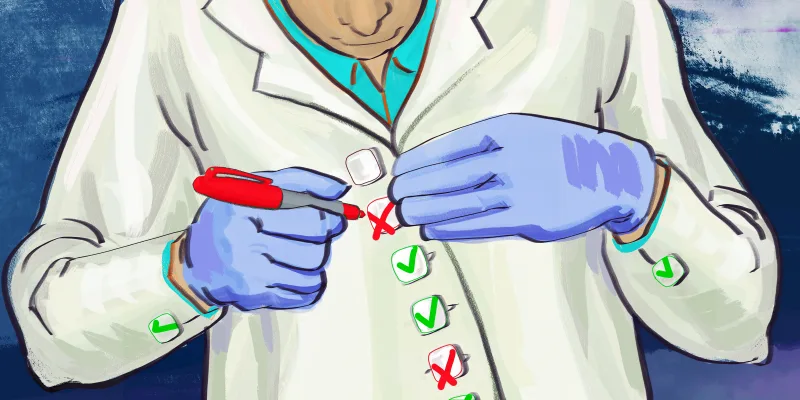
Like many physicians, I believed academic medicine was the pinnacle of our profession. I imagined a future full of teaching, research, mentoring, and leadership. I devoted my entire adult life to climbing that ladder — residency, fellowship, faculty — thinking that hard work would eventually be rewarded. But the reality was starkly different. Academic medicine became a place where women routinely worked twice as hard for half the recognition, the pay was low, where metrics mattered more than patient care, and where emotional exhaustion was reframed as “dedication.” And still, I stayed, because I didn’t know anything else. Private practice isn’t feasible for most young physicians weighed down by student loans and administrative barriers. Switching from one employed job to another often means trading one dysfunctional system for a similar one. Most of us are employees in structures we did not create, in systems that value productivity over people.
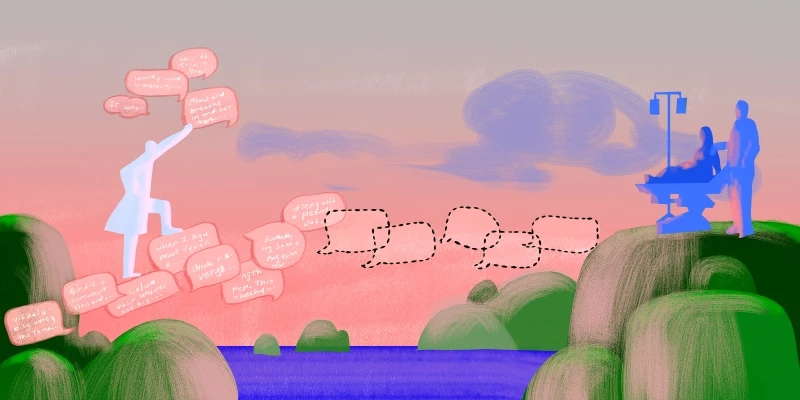
After years of pushing myself past my limits, I asked the question I had never considered: What do I want my life to look like — not just my career? The answer had nothing to do with titles, prestige, or accolades. It had everything to do with autonomy, boundaries, and time with family and friends. It was about practicing medicine in a way that supported everything that was important for me in life. Choosing locums felt like stepping off a cliff without knowing if something would catch me. But it was one of the best decisions I’ve ever made. Locums gave me freedom, restored my mental health, and allowed me space for the other things I value: exercise, healthy routines, hobbies, family, and personal growth. I could choose when, how, and where I worked. And when a hospital environment felt toxic, unsafe, or draining, I could simply walk away.
But let me be clear: locums is not perfect and I don’t want to completely romanticize it. There are challenges, including finding fairly paying and consistent contracts, endless credentialing, and advocating for yourself in every contract negotiation.
It requires flexibility, discipline, and organization. But despite these challenges, locums gave me something I hadn’t felt in years: control. I formed an S-Corp with the help of an accountant. I accept only assignments that align with my values. I walk away from any environment that compromises my well-being. For the first time in my career, I am practicing medicine in a way that supports — rather than depletes — my life.
If you feel exhausted, overwhelmed, or drowning in a system that demands more than you can give, please hear this: You are not failing. The system is failing you. And you are allowed to imagine a different path. Locums is just one option. There are many others: telemedicine, boutique or concierge care, private group practice, direct primary care, hybrid roles, and a variety of nonclinical careers — consulting, education, industry, tech, pharma, writing, reviewing, and more. You don’t have to choose just one. You don’t have to commit forever. Change is scary, especially if you are the breadwinner, but losing yourself in a system that no longer serves you is not the answer either. Talk to people who have done it — most will happily share advice and guidance.
This is how I made medicine work for me: by stepping away from the version of the profession that was breaking me, and building one that allows me to live. And you can do the same if you find yourself in this position.
Dr. Santoshi Billakota is a board certified neurologist and epileptologist who lives and works in Brooklyn NYC. She is currently a full time locums physician. You can follow her on social media at @drbillakotamd (IG, TikTok) and she also co-hosts the Be Empowered Podcast (@empowermedlife on IG) where she her co-host, Dr. Moghbel, discuss pertinent issues in healthcare, specifically concerning women.
Image by z_wei / Getty Images