Medicine often focuses on what happens in exam rooms. But epilepsy does not stop at the clinic door. It affects school performance, driving privileges, employment, and mental health. Community epilepsy programs address these realities. They train teachers, law enforcement, peer employees, and employers. They reassure families that a diagnosis does not erase the future. This work cannot be replicated by physicians alone. It requires collaboration, trust, and investment. In Latino communities — where language barriers and health literacy challenges already compound inequities — the loss of culturally tailored programs is devastating.
In my day-to-day practice as a neurohospitalist, I have the opportunity to use my epilepsy training to educate patients and families about precautions related to seizures. What do you do when your family member suddenly falls and begins to seize? What activities are restricted? What can you do to prevent seizures if you have epilepsy? Is the disease curable? I am so privileged to be the Spanish-speaking doctor who can provide education at the hospital where no one is turned away, and I can make a difference at the individual and population level. Patients and families may have questions: “Can I continue playing sports like soccer?” "What do I do if my daughter has a seizure at school?” “Will I be disabled?” It is important to remind patients and families that epilepsy is manageable, and many can have the quality of life they deserve. Patients and families need education and reassurance, not just prescriptions. For years, federally funded epilepsy community programs made that possible.
Last year, those programs were cut by HHS despite opposition from patient advocacy groups.
The CDC Epilepsy Program and related funding initiatives supported workshops, school training, bilingual resources, and community health worker networks. They gave families practical tools: how to provide seizure first aid, how to advocate in front-line settings (schools, law enforcement, etc.), and how to use telehealth effectively.
Recent funding cuts have unraveled much of this work. The consequences are not abstract. They are measured in more ED visits, lost school days, job insecurity, preventable stigma, and decreased quality of life. For example, community programs help the public develop seizure action plans. They provide patients and their families with guidelines to follow in response to potential seizure emergencies and when/how to use appropriate rescue therapies. Other programs provide medication assistance, care coordination, and crisis support, which have been linked to decreased ED use. Patients who had their seizures well-controlled were more likely to be employed, less likely to have experienced job problems, less likely to feel limited by the epilepsy, and less likely to experience stigma.
Many Latino families live in areas with few neurologists. Others face insurance barriers or fear navigating a health care system that was not built for them. They also face significant barriers to care, including cultural stigma and language gaps, among other socioeconomic determinants of health, leading to delayed diagnosis, poor management, and worse health outcomes. Few programs address cultural relevance or Spanish-language resources, despite epilepsy affecting this community disproportionately. Targeted, culturally sensitive education in Spanish helps debunk myths, improves care access, and empowers families to seek timely treatment, overall improving quality of life.
Restoring and expanding funding for epilepsy education programs is not charity — it is smart health policy. First, policymakers need to restore CDC Epilepsy Program funds to ensure continuity of education and outreach,. Second, we must protect Congressionally Directed Medical Research Program grants that drive community-centered innovations in epilepsy care. Third, by investing in bilingual and culturally relevant resources, we reduce health disparities and improve outcomes. Fourth, we must support coalitions among organizations that serve Latino patients with epilepsy (like the Epilepsy Foundation, the American Academy of Neurology, the American Epilepsy Society, the National Hispanic Medical Association, Epilepsy Alliance America, CURE Epilepsy, and local community health networks) to amplify the impact of every dollar.
These are modest upfront investments with outsized returns: reduced ED utilization, lower lifetime medical costs, better school retention (given reduced absenteeism), less dependence on disability benefits, greater workplace participation and productivity, reduced financial burden on families/health care system, and healthier communities. This is smart public policy since families on government insurance are more likely to use more tax-funded health care dollars on expensive hospital readmissions without these essential community programs.
As a physician advocate, I have watched patients struggle when they lack resources. I have also seen the transformation when families and caregivers finally feel empowered. I particularly remember a family, a mother (Spanish-speaking only) and her young son in his 30s, who had frequent visits to the ED due to recurrent seizures. She and her son were immigrants and had poor access to an outpatient neurologist. They had a poor understanding of what to do in the event of a seizure and would be admitted to the hospital frequently for breakthrough seizures. They also had gaps in knowledge about the adverse effects of the medication, which resulted in nonadherence. Finally, they lacked access to abortive medications for the seizures when they occurred. I provided extensive education on many of these important factors and referred them to the Seizure First Aid program of the Epilepsy Foundation. After that intervention, the patient’s readmission rate to the hospital was reduced, which ultimately improved their quality of life.
However, I am only one person. To make a sustainable impact, we need community education programs as a public health approach. We cannot afford to let these disappear. The cost of inaction will be measured in lives disrupted and opportunities lost. Our community requires investment. Congress should restore and strengthen epilepsy community programs. For every family navigating epilepsy, the stakes are already high.
Dr. Rocha Cabrero (double board-certified neurologist/clinical neurophysiologist, leader, activist, mentor, writer, son, brother, husband, father, he/him) is the CEO/owner of IRD Neuroanalysis Inc. Dr. Rocha is involved in different projects related to clinical medicine, writing, advocacy/policy, mentoring, and leadership across fields. His primary training focuses are epilepsy and neurointraoperative monitoring (NIOM). He also enjoys spending time with his infant son, traveling, dancing, EDM concerts, beach walks, and catching up with friends and family. Dr. Rocha Cabrero is a 2025–2026 Doximity Op-Med Fellow.
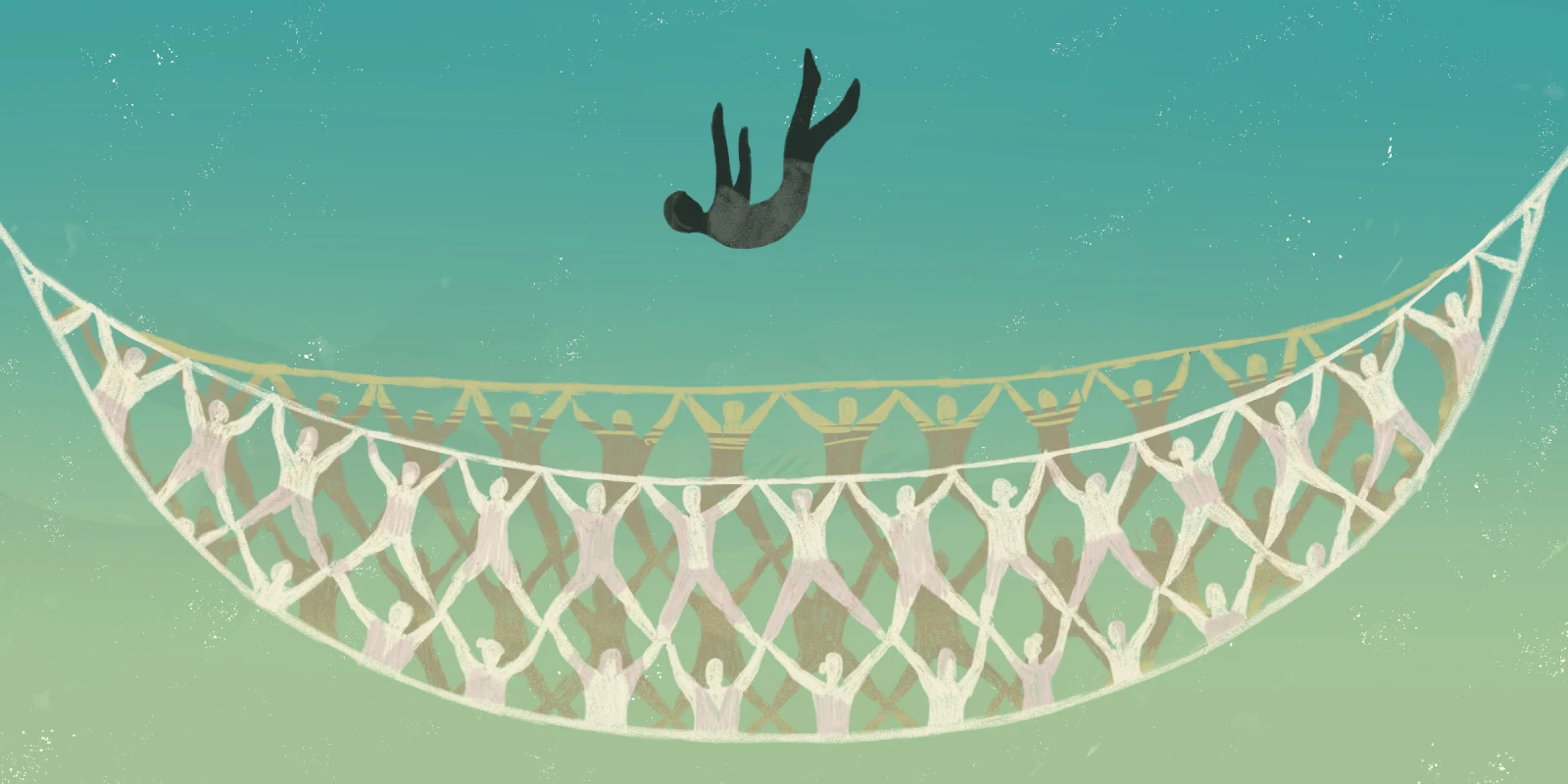
Illustration by Diana Connolly