
I was sitting at a hotel in the Caribbean, finally away with my family after months of planning. The ocean stretched out in front of me, my kids were in the pool, and for the first time in weeks, there was nowhere I needed to be.
And yet, my phone kept buzzing.
A call from the office. An administrative question from the hospital. A message about a patient I had operated on days earlier. It wasn’t urgent but it was enough. Enough to remind me that even as I stepped away, miles away, part of me hadn’t left at all.
Multiple weeks exist throughout the year when we “get away” and enjoy time outside of the office or the OR, free of clinical responsibilities, or so we think. For many physicians, these weeks are scheduled months in advance, often dictated by school calendars and family logistics. Winter break, spring break, and summer vacations are carefully planned windows where life outside of medicine briefly takes priority. Yet despite the preparation, stepping away is rarely as simple as closing the office door.
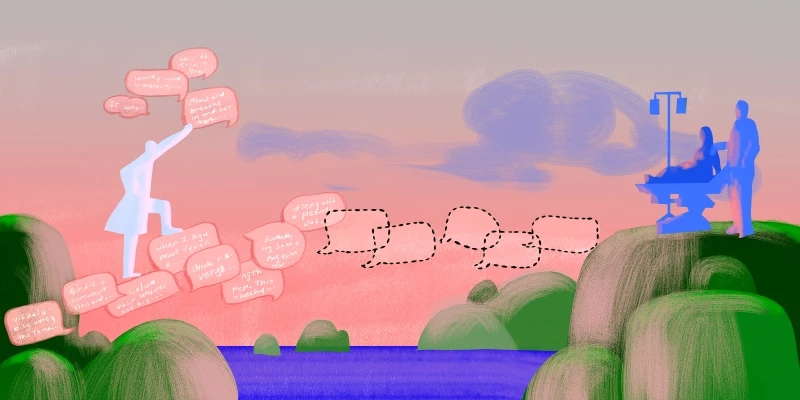
Reports of physician burnout appear regularly across medical journals, social media feeds, and national society meetings. Solutions are proposed, committees are formed, and wellness modules are mandated. Among these, vacation is frequently cited as a simple remedy. But for physicians, vacation is rarely simple. It requires planning. Surgical cases must be scheduled around it. Office hours and the phone systems need coverage. Partners absorb additional responsibilities. Patients require reassurance that someone will be available if something comes up.
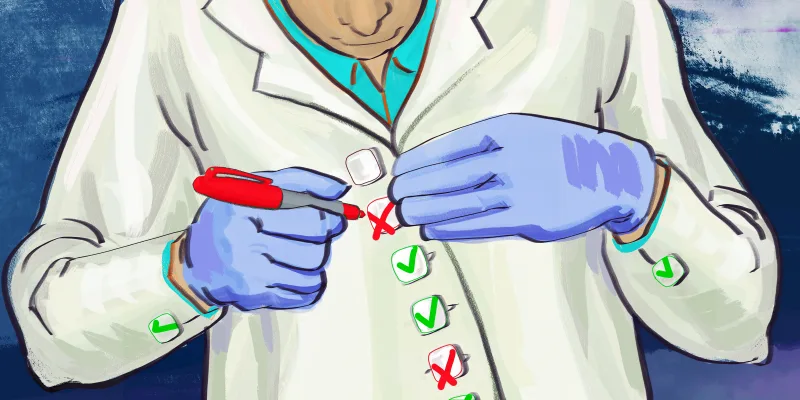
Then there is the email away message, a small but symbolic gesture signaling that, at least temporarily, you are unavailable. But are you? A short one-to-two liner written carefully before leaving, thanking the sender for their message, explaining your absence, rationalizing a potential delay in reply, and directing urgent matters to a colleague. For many physicians, that automated reply represents the closest thing to disconnecting and it usually serves as a facade. Yet, even with the message set and the office lights off, the mind rarely shuts down as easily as the inbox.
Vacation, for a physician, is not merely time away. It is an operation in itself. Once away, the question becomes unavoidable: do physicians ever truly disconnect? Somewhere between airport gates and sitting poolside in the Caribbean, I found my mind drifting back to the hospital. I thought about a patient with a complex postoperative course and wondered if their ankle replacement wound was healing the way I had hoped. I knew I was thousands of miles away and unable to intervene but the thought persisted.
Part of this is structural. Modern medicine runs continuously and patient care rarely pauses simply because the calendar says someone is on vacation. EMRs follow us everywhere. Test results return in real time. Messages arrive without pause. Colleagues may text quick questions. Residents may call seeking guidance. Part of it is cultural. From the earliest days of training, physicians are taught that responsibility does not stop. Patients depend on us. Vigilance matters. Part of it is personal. We care. Even when we try to step away, the connection to our patients remains, as it did while playing catch with my son on the beach.
The result is that vacation rarely means complete detachment. Instead, it becomes a different form of engagement. It is one in which we attempt to create distance while remaining quietly aware of what might be happening back home. If complete disconnection proves difficult, perhaps the goal of vacation should not be absolute separation from medicine, but rather a healthier relationship with time away. For physicians, stepping away requires intention and should not be seen as a burden. One way to think about it is through a simple reminder: RELAX.
R – Respect the time away
Vacation time should not be seen as a hurdle. Protect it as you would your clinical schedule. If work time is not interrupted, vacation time should not be either.
E – Expectation setting
Providing patients with clear communication regarding your time away helps ease anxiety if clinical concerns arise. Allowing colleagues to understand your vacation time leads to smoother scheduling and crossover with your own patients.
L – Live in the moment
This is often the hardest part. Our training teaches us to anticipate complications, but vacation is not the time to worry about every possible uncertainty. Trust your colleagues and the systems in place.
A – Activate
The work is done. The schedule is covered. Allow yourself to step into the time you planned. You’ve earned it; now it is time to live it.
X – eXhale
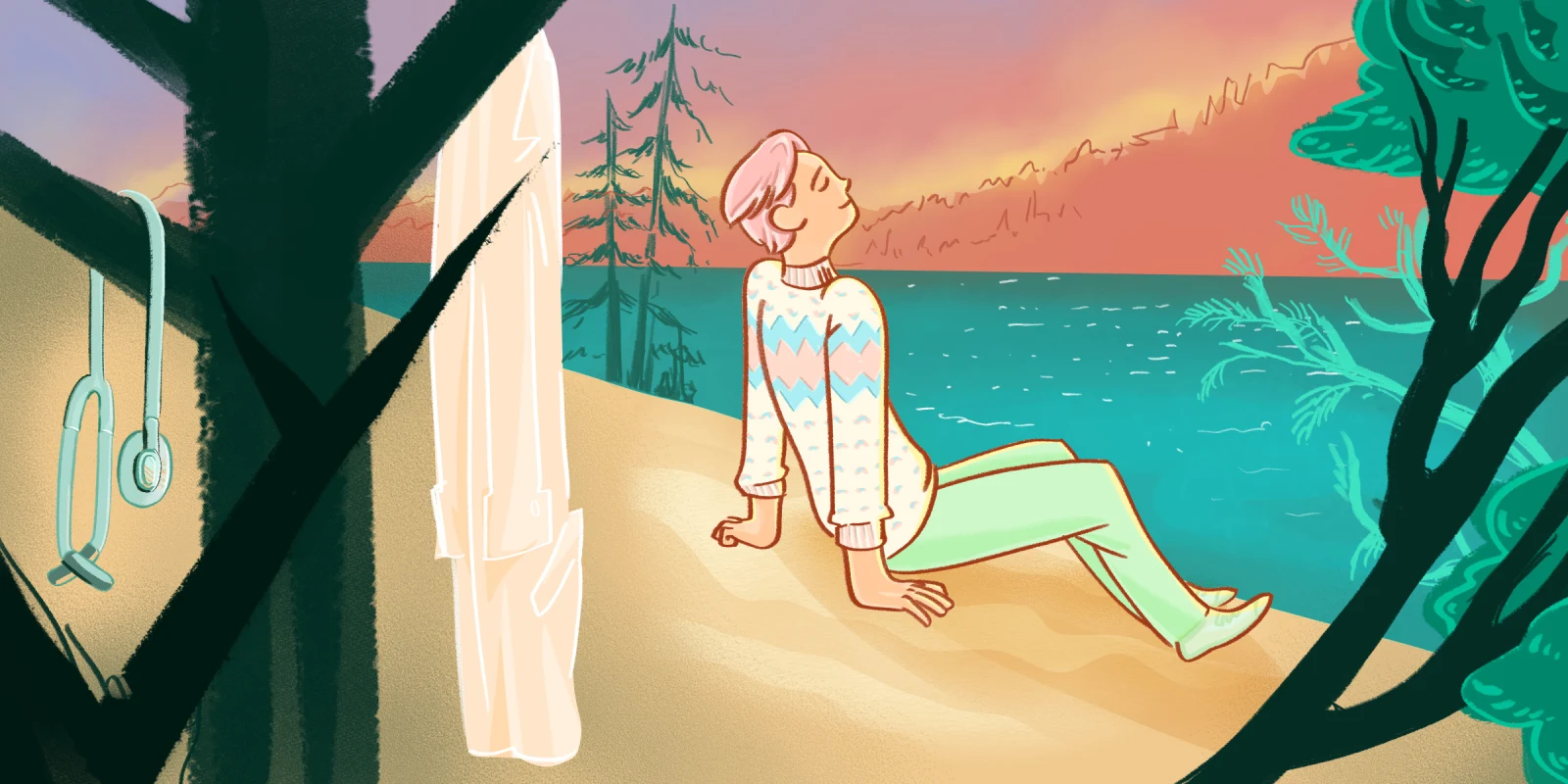
Breathe. Let go. Be present. The constant vigilance that defines medicine does not need to define every moment away from it. No need to feel remorse over your trip or time away. Perhaps the goal of vacation for physicians is not to forget medicine entirely, but to remember that life exists beyond it. The OR will always be there. The inbox will refill. The responsibilities will return.
But the moments we step away are what allow us to come back whole. Vacation is not about escape. It is about intention. It is a conscious decision to create space to rest, reconnect, and reset, even when stepping away feels uncomfortable. Because while medicine demands our attention, it should not consume our entire identity. The work will always be there, but so will the moments outside of it, unless we let them pass by.
So the question remains: Do you work to live, or live to work?
Perhaps the answer is not found in how hard we work, but in whether we allow ourselves, even briefly, to step away and RELAX!
What's the last vacation you took? Share how you unplugged in the comments.
Adam D. Bitterman, DO, is a board-certified orthopaedic surgeon and an assistant professor of orthopaedic surgery at the Donald and Barbara Zucker School of Medicine at Hofstra/Northwell. He serves as the chairman for the department of orthopaedic surgery and is the associate program director for the orthopaedic surgery residency program at Huntington Hospital.
Illustration by April Brust