
To know my dad was to love him. He was goofy, loving, gentle, and knew how to make anything more fun. He would dance to the Temptations in the kitchen with me and my sister after dinner, bring us out to breakfast every time Vanderbilt won a football game (which to our dismay was not very often), and watch terribly written teen dramas about werewolves and vampires just because it was my adolescent obsession. He was the best dad, that perfect balance of friend and mentor. I idolized so much of who he was and what he did growing up, it was no surprise to anyone in my family when I decided to follow in his footsteps in becoming a neonatologist.
It was my second week of my neonatology fellowship when he died. So much changed after his death. Family dynamics shifted, previous priorities wavered, and my sense of stability in my daily life faded. Losing him was not an unexpected event. He was diagnosed with metastatic renal cell cancer in February. He died in the exact predicted mortality time frame of his condition after weeks of palliative care goal setting and intentional time spent with him. If he were my patient, I would say his death was as planned and acceptable as it could have been. Despite this, his death felt shocking. It changed me in so many ways — personally and professionally.
The first few months after his death were deeply entangled with my first few months of neonatology fellowship. I couldn’t decipher if my fellowship training was truly so taxing and heavy, or if losing my dad drove the taxing, heavy feelings of my day-to-day work.
I remember my first patient death after his death so clearly. It was agonizing to watch an infant take their last distressed breaths with their family surrounding them, just as I had been with my father during his last distressed breaths. Every death after that felt the same: poignant flashbacks to my father’s death and my overwhelming sense of grief and sadness following it. I felt my dad with me in every one of those deaths. I couldn’t spend too much time thinking about the sadness and loss of a patient for fear of it unraveling the precariously woven fabric I had spun to contain my emotions at work. I have no hindsight, no insightful guidance on how I made it through this period except that I just made it through. I found solace in others that loved my dad, sought advice from others in the “DPC” (Dead Parent Club), and found a therapist who helped me work through this time.
Eventually, though, I found strength and a new connection to my NICU families in my grief. The first time was a happy occasion. It was in an interaction with a new dad whose baby had just been admitted to the NICU. I asked what they had chosen for their baby’s name. He shared with me, through a tearful grin, that his baby was named after his father who had recently died. I saw in his eyes the same bittersweet joy I have experienced many times when celebrating a success I knew my dad would have celebrated alongside me. I felt the weight of the moment more than I think I ever could have before experiencing my own personal grief.
The next few times I felt this new connection was in my patient deaths. Once I was finally able to move through the fog of my own grief and feel present in moments of my patient losses, I grew more comfortable in sharing condolences and reassurance with grieving family members as I reflected on what I had wished was shared with me in those moments of loss. I felt more deeply connected to the emotions these families were feeling in their loved one’s death and developed a deeper sense of empathy for the families I had the privilege of partnering with in these end-of-life moments. I had always felt that I understood death by proxy of being a doctor and dealing with life and death decisions every day, but it wasn’t until my own personal loss that I was able to unlock this new connection with loss and the grieving. In this connection, I honor my father’s death and his memory just like I honor his memory when I hear a Temptations song or enjoy a hot glazed Krispy Kreme donut (his favorite). I share my experiences to acknowledge the way grief has found some positive shape in my life and to hopefully help other medical professionals embarking on a new part of their medical practice journey while confronting their own personal loss.
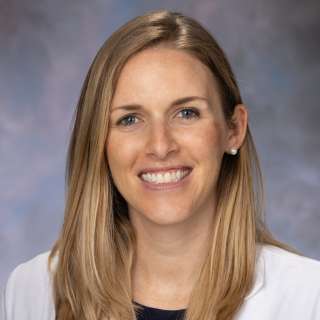
Dr. Rachel Levy is a neonatology fellow in North Carolina. The author thanks Dr. Grant Gosden for his insightful editing of this piece.
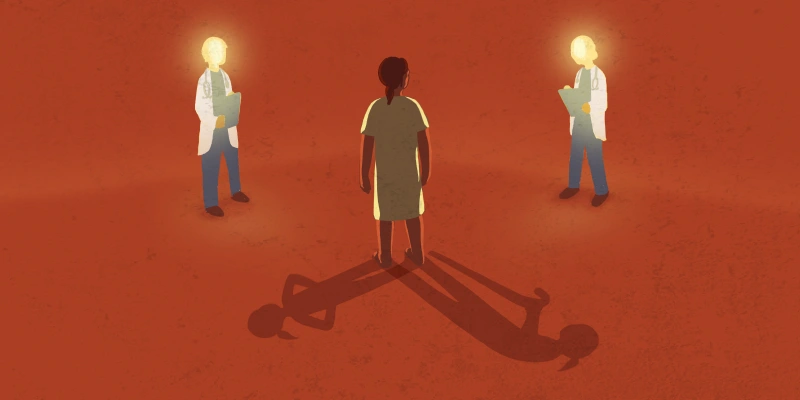
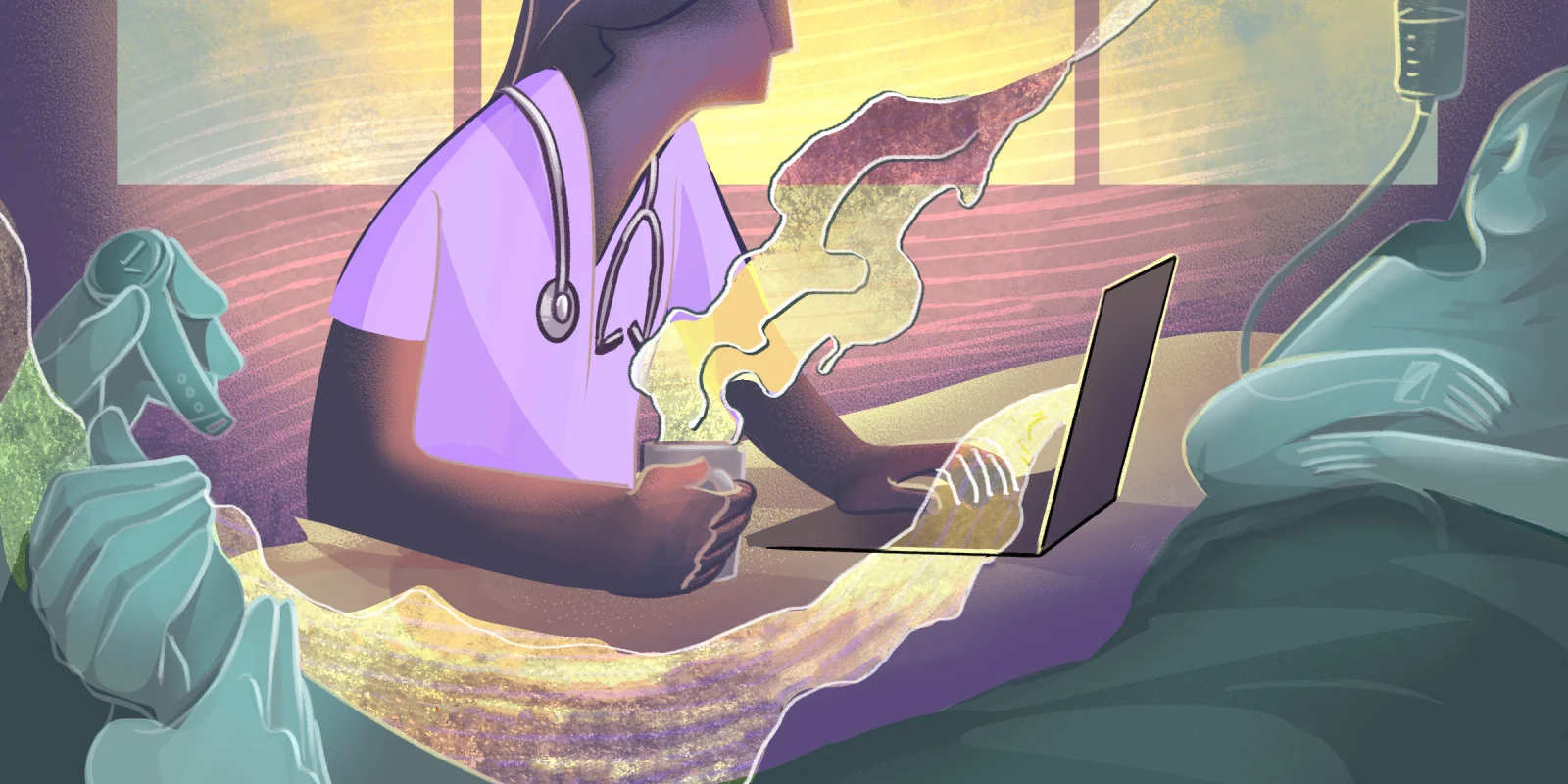
Illustration by April Brust