
“I just don’t want my life to change,” said my patient.
“It doesn’t have to. With the medicine we have now, people with HIV can live a perfectly normal life,” I responded.
As a family physician in the Atlanta area, I see patients at all stages of their HIV journey — some newly diagnosed and scared, others living with the virus for years, undetectable, thanks to daily medication. What was once a death sentence during the AIDS epidemic of the 1980s now can be controlled, allowing people with HIV to have nearly normal life expectancies. This is one of the most remarkable breakthroughs in modern medicine.
Despite these advances, HIV remains a massive problem in the U.S., and particularly in Georgia. Our state has the second highest rate of new HIV diagnoses in the country.
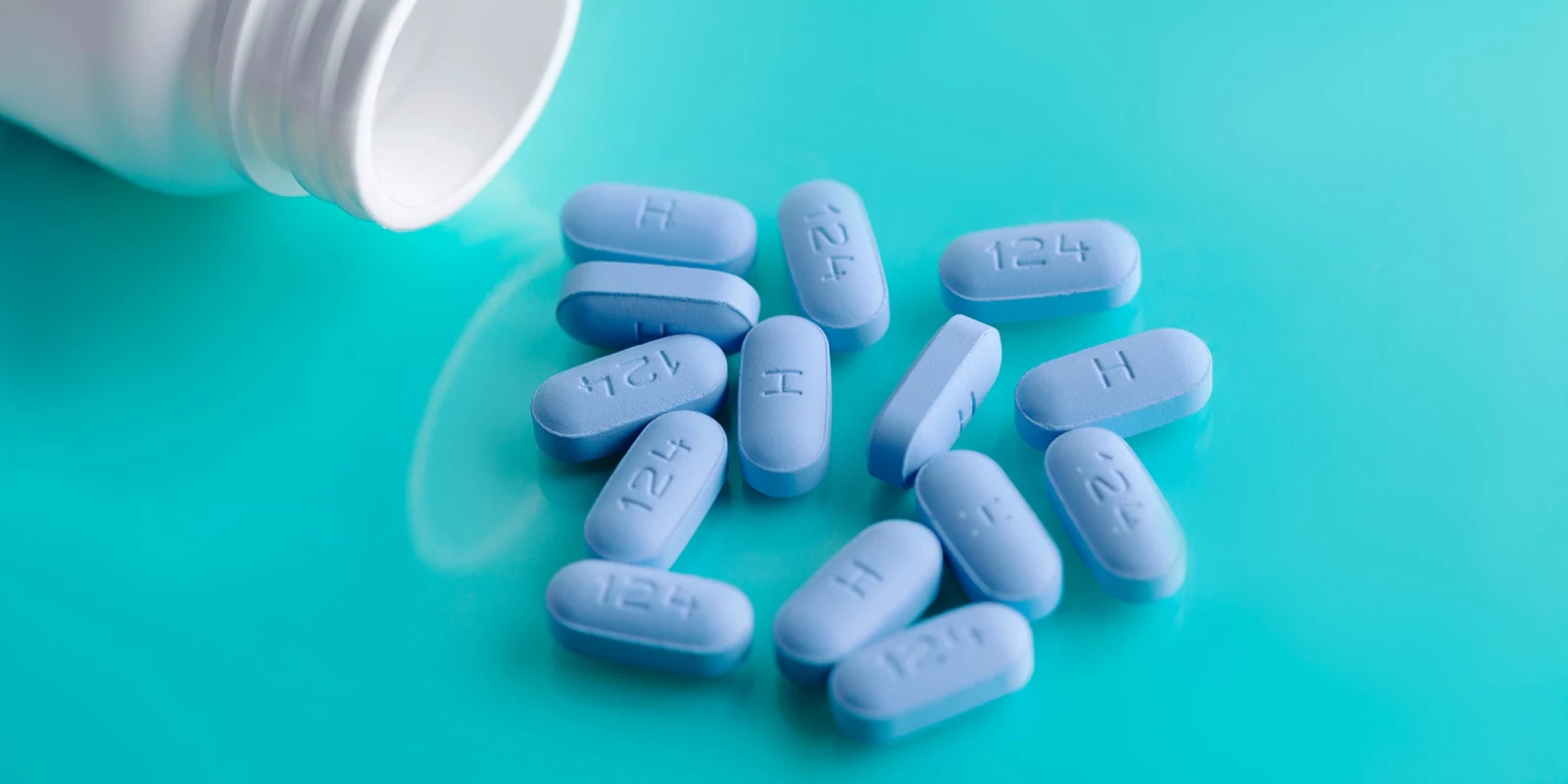
The Georgia legislature recently passed a bill aimed at slowing HIV’s spread by allowing pharmacists to prescribe PrEP, or pre-exposure prophylaxis, directly to patients without requiring a doctor’s visit. PrEP is a medicine that people without HIV take to prevent becoming infected, and it is extraordinarily effective: One pill daily reduces the risk of HIV infection by up to 99%. I welcome any effort to get PrEP into more hands.
But I have serious concerns about whether this bill will meaningfully improve PrEP access.
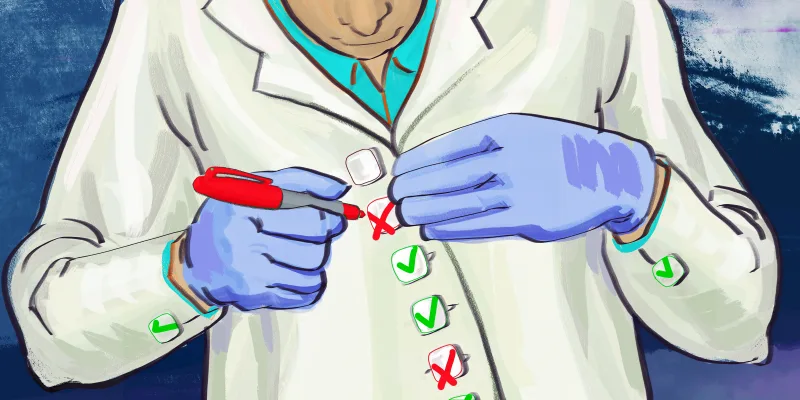
Prescribing PrEP is not simply handing someone a pill. The standard of care involves testing for HIV, other sexually transmitted infections (STIs), and kidney function before starting treatment. As a physician, I review a patient’s sexual history, provide counseling on safe sex, order labs, and follow up on results. Pharmacists are invaluable members of the health care system, but they are already stretched dangerously thin. Anyone who has visited a pharmacy recently has seen the long lines, the understaffing, and the closed neighborhood locations. Asking overburdened pharmacists to absorb a new prescribing role is a tall order.
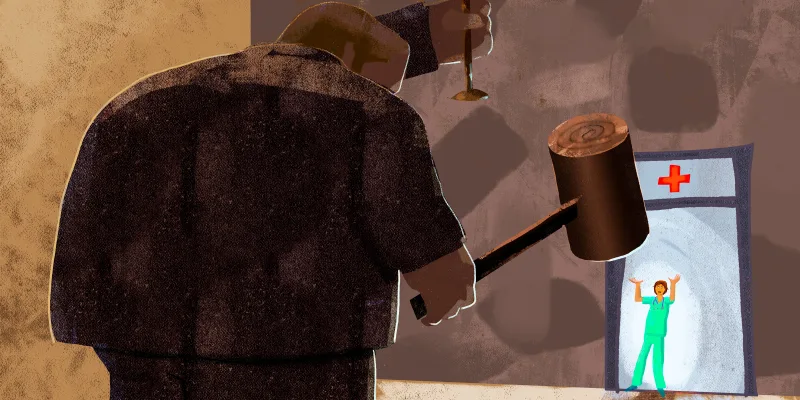
More importantly, this bill fails to address the elephant in the room: In order to afford PrEP, people need health insurance. Under the Affordable Care Act, insurance must cover PrEP at no cost to patients. However, with the cuts to Medicaid under Trump’s Big Beautiful Bill, and the expiration of the Marketplace tax credits at the end of 2025, an estimated 500,000 Georgians will lose insurance in the next decade. For the uninsured, PrEP costs roughly $2,000 per month — an impossible sum for most people.
This is where the bill falls short. Expanding access at pharmacies only works if patients can afford what’s on the shelf.
If Georgia’s elected officials genuinely want to slow the spread of HIV, the most powerful tool available is Medicaid expansion. Georgia is one of just 10 states that have not expanded Medicaid. Doing so would bring in critical federal funding and provide health coverage to roughly half a million Georgians. Insurance matters not only for PrEP affordability, but for routine sexual health care and for ensuring that people with HIV can afford medications that keep the virus undetectable — a key factor in preventing new infections. Yet, when Medicaid expansion came up this legislative session, GA Republicans quickly shot it down.
As more Georgians lose coverage, many will turn to the state’s already underfunded public health infrastructure. Georgia spends far less on public health than most states, and spending has actually fallen since 2012, from $97 to $74 per person in 2025. Our Departments of Public Health are essential for surveilling HIV, running STI clinics, and reducing stigma through education. Without adequate funding, these programs are unable to effectively address the HIV crisis.
Going even further upstream, there is another key opportunity for HIV prevention: comprehensive sex education. One of the best ways to stop HIV from spreading is through safe sex practices. Though Georgia law requires sex education, it requires an emphasis on “abstinence until marriage as an important personal goal.” Abstinence-only education does not work to reduce rates of STIs. Comprehensive sex education, by contrast, provides medically accurate information about safe sex and abstinence, improves condom use, and decreases rates of unprotected sex. Without proper sex education, HIV will continue to spread.
I applaud the bipartisan effort behind this PrEP pharmacy access bill, but it barely scratches the surface.
The elected officials of Georgia need to face the facts: To truly slow HIV transmission in Georgia, we need well-funded public health departments, comprehensive sex education, and — most urgently — health insurance for all Georgians. Anything less is treating the symptom while ignoring the disease.
What do you think about the PrEP pharmacy access bill? Share in the comments.
Kreena Patel, MD MPH, is a board certified family physician and public health expert who practices in the Atlanta area.
Image: Alim Yakubov / Shutterstock