
Eric J. Small, MD, ASCO president, chose “the science and practice of translation: improving cancer outcomes worldwide” as the theme for this year’s American Society of Clinical Oncology Annual Meeting. Dr. Small gave a deeply personal explanation of his choice of translation for his presidential theme, describing his upbringing in Mexico as the child of US citizens who were union organizers and moved to Mexico when they became targets of McCarthyism. Raised in a bilingual, multicultural society that shaped his values, he found the concept of translation, whether of language, cultural context, or science, to connect knowledge to meaning.
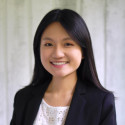
He described how translation became personal when his partner of 18 years, Dr. Amy Lin, also an oncologist, died last December of the rare cancer, metastatic clear cell ovarian cancer. Their research found little clinical research on this chemo-unresponsive disease, and a heavy toxicity burden with the few treatments that did exist. Although Amy clearly expressed that quality of life was most important to her, she suffered profoundly, both from the cancer, and from the treatments she underwent.
Dr. Small’s experience has strengthened his belief that what matters to patients should always be at the forefront, and advances in oncology should be available for every patient, every cancer, everywhere.
He explained three types of translation critical to the continued advancement of oncology and the best care for all patients: translating discovery bench science to the clinic, translating clinical research into real-world, patient-centric care, and possibly most important, translating innovation into approaches relevant to different environments.
Immunotherapy, targeted therapies, liquid biopsies, novel imaging, and biomarkers all exist because of discovery bench science. New tools, AI, and team learning promise to accelerate this process even further, with a goal of identifying differential benefits and toxicities that populations with different ancestral backgrounds, like Amy, may experience.
Dr. Small observed that we cannot take progress for granted now when science itself is under attack. “We all win,” he said when science remains independent, and grant funding is awarded on merit, not ideology, when we strengthen the bonds of trust between patients and community oncologists, when we ensure that cancer patients on Medicaid can focus on their treatment and recovery instead of working, when prior authorization is guided by expert clinical evidence to ensure timely access to care, when we bolster our commitment to global health programs, and when we champion the life-saving evidence behind vaccines.
Dr. Small noted that access of his rural farm worker patients in California’s central valley to novel therapies on clinical trials is no more realistic than it would be for those living in rural El Salvador or any other low an middle income country (LMIC). ASCO is beginning to meet the challenge of how clinical implementation might look in resource-constrained environments.
“In order to deliver optimal outcomes for every patient everywhere, we must account for cultural, geographic, technical, social, and economic differences to end disparities. Quality cancer care is a basic human right no matter where patients live,” he said.
Dr. Lederman has no conflicts of interest to report.
Image by GoodStudio / Shutterstock