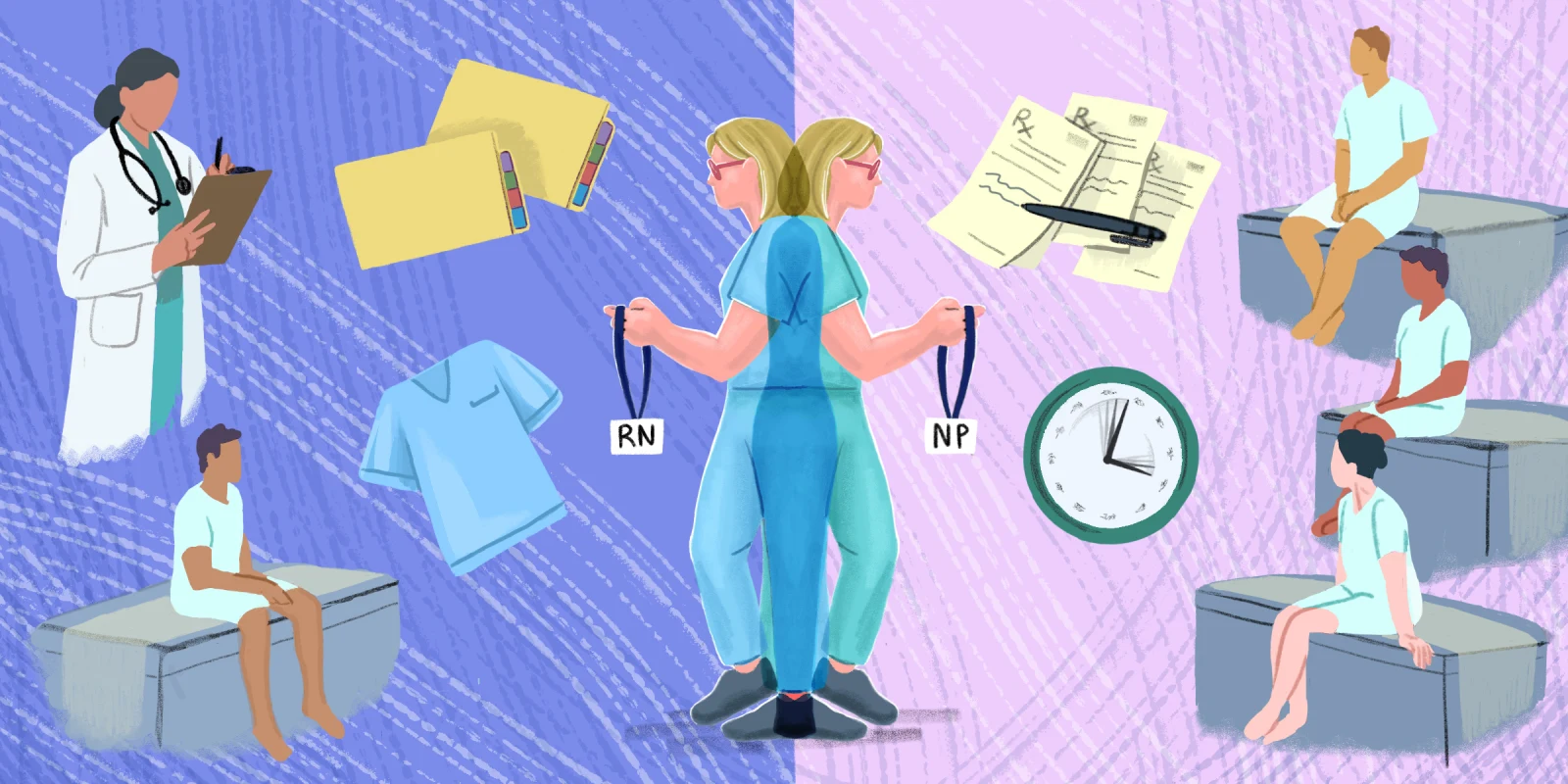

Many of us became nurse practitioners because we wanted to expand our scope, deepen our relationships with patients, and take on a more meaningful role in care. The decision was rooted in purpose, but it also came with real costs, both financial and personal. Tuition and student loans placed a heavy financial burden on us, while the years of graduate coursework, clinical hours, and studying on top of full-time jobs demanded an even greater cost of time and commitment. The sacrifices touched every part of our lives, and we trusted that the NP profession would provide both fulfillment and compensation that reflected the depth of this investment.
For some, however, the reality has been different. In high cost of living areas, the salary difference between experienced bedside nurses and NPs can be narrower than anticipated. At times, bedside nurses even earn more once overtime or differentials are factored in. Meanwhile, NPs carry the weight of expanded responsibility, higher liability, and demanding productivity expectations.
This creates a complicated mix of pride and frustration. We are proud of the role and the access to care we provide, but unsettled when compensation does not fully reflect the sacrifices we made. That gap is not about individual choices; it reflects a system where pay and workload are not always transparent.
It's the lack of transparency that is at the heart of this issue. Many of us chose the NP path without having access to a full picture of what compensation and workload would look like after graduation. Job postings often exclude salary ranges, and online averages can be inconsistent or misleading. Few of us had reliable data on what NPs actually earn in different specialties or regions, or how productivity expectations influence pay.
Without that clarity, it is understandable that many NPs feel surprised when reality sets in with student loan debt, modest pay increases, and added responsibility. This is not a personal failure. It is a shared challenge that underscores the need for better information and open conversations. The answer is not walking away from the NP role. It is working together to create change.
When we share honestly about compensation, workload, and expectations, we strengthen one another. Transparency can serve as a foundation for advocacy. With better information, NPs can approach conversations with employers feeling informed and confident, and employers can build trust by being clear about how compensation is determined. Fair, competitive pay is about more than numbers. It is recognition of the expertise and commitment NPs bring to health care. Supporting nurse practitioners is also an investment in patients and communities.
If you have felt discouraged in the NP role, you are not alone. Many of us have questioned whether our compensation reflects the responsibility we carry. Instead of treating this as an individual struggle, we can approach it as an opportunity for collective growth.
There are several ways NPs can take action to advance pay transparency:
Contribute to compensation databases. Some platforms (such as Marit Health and the Medscape APRN Compensation Report) collect salary and workload data from APPs. Sharing your information helps create a clearer picture of the profession for peers and future NPs.
Ask informed questions during interviews. When interviewing, it can be helpful to ask how the organization approaches compensation and workload expectations, including salary ranges and differentials. Phrasing this as part of understanding the culture and support for NPs can open a constructive conversation.
Support professional organizations. Encourage groups such as the American Association of Nurse Practitioners (AANP) and state NP associations to continue advocating for compensation equity and workplace transparency.
Participate in surveys and research. National workforce surveys (for example, the National Nurse Practitioner Sample Survey conducted by AANP) depend on NP participation to provide accurate data on salaries, practice settings, and retention.
Advocate for policy change. Pay transparency laws are already in place across a growing list of states, including California, Colorado, Connecticut, Hawaii, Illinois, Maryland, Minnesota, Nevada, New Jersey, New York, Rhode Island, Vermont, and Washington, requiring job postings to disclose salary ranges. With more states considering similar measures, staying engaged through state NP associations and supporting these efforts is one way that NPs can help move the profession forward.
Each of these steps, big or small, builds momentum toward a culture where NPs feel valued, supported, and fairly compensated.
I do not regret becoming an NP. The role has challenged me, stretched me, and allowed me to make a difference in ways bedside nursing could not. At the same time, I understand the frustration of unmet expectations, and I know I am not alone.
The path forward is not about stepping away, but about stepping forward together. Transparency is the key to reaching the full potential of the NP role. When we advocate for fair pay and recognition, we not only strengthen our profession but also create a healthier future for the patients and communities we serve.
Charlene Platon, MSN, RN, FNP-BC, is a health care leader in the San Francisco Bay Area and co-founder of Fifth Window, a social support community that helps health care professionals rediscover their joy. The views expressed in this article are her own and do not reflect the views of her employer.
Illustration by Diana Connolly