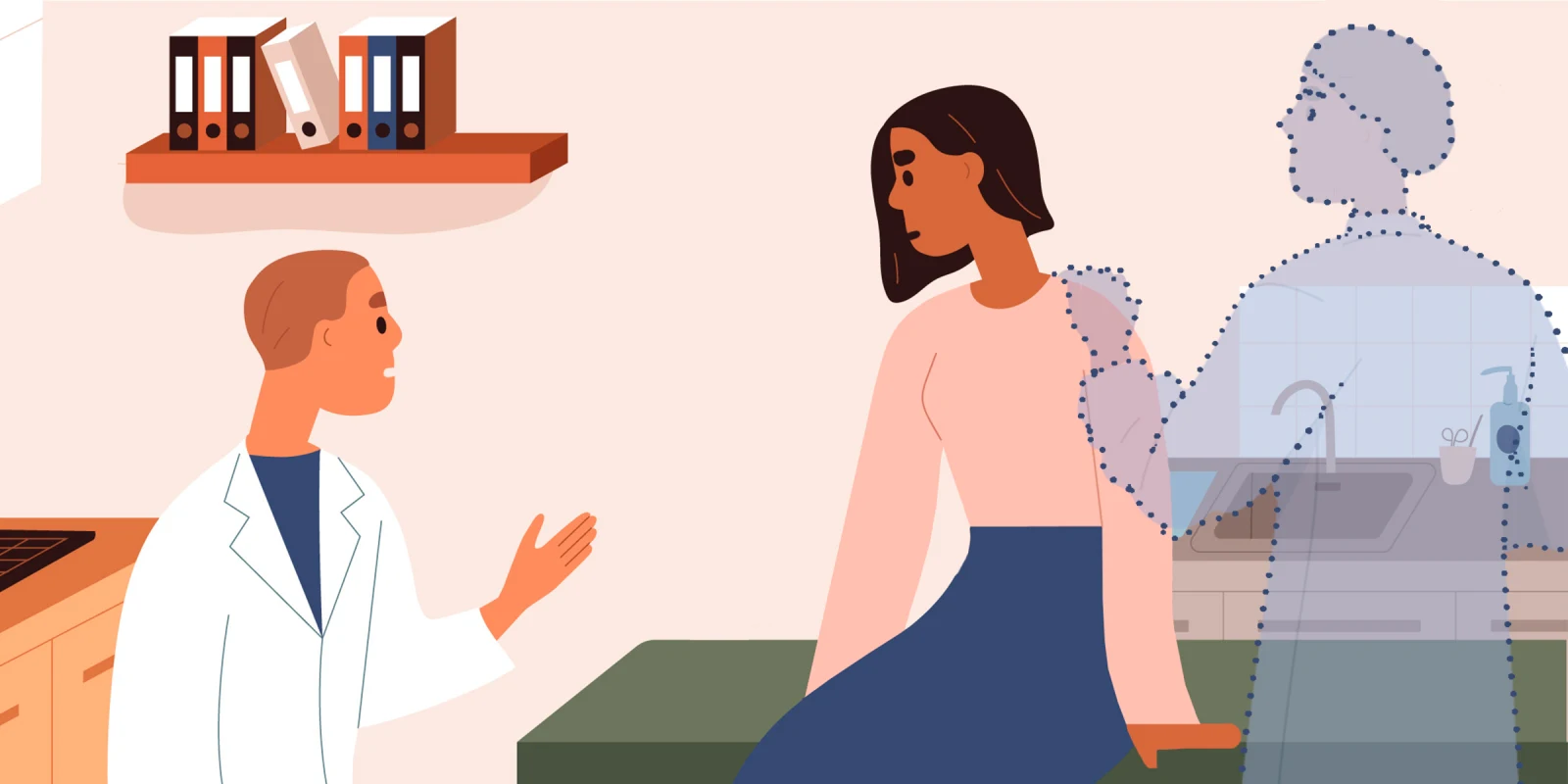

Milestone birthdays often hit with an almost instant shift in mindset. Teens to 20s, now I am a proper adult. Twenty to 30, better start having those kids, because nobody is putting advanced maternal age on my chart. Thirty to 40, time to take the body in for maintenance.
At that time, I hadn’t seen a PCP since residency, when one of our medicine-pediatrics residents strong-armed us to make appointments in her clinic. That was a decade ago. My last ob/gyn appointment was more than five years ago when I had my youngest. It was the same story with the dentist, because I had never established care between all our moves and COVID-19. I only ever see an optometrist when I run out of contacts, and that has been three years.
By contrast, my children had missed not a single doctor’s appointment. My partner had established care with a PCP before me because of my insistence. Even our family dog had consistently made his annual well visits. Worse, as a physician, I preached every day to my patients about preventive care that I was not doing for myself.
So I declared “a year of wellness.” I was going to make and keep all my well appointments. I was lucky to work for a hospital system that provided sick days that I could use for appointments, and I did. I had my teeth checked, my contact prescription updated, and ended the year with my screening bloodwork and a mammogram.
I had been told by a previous ob/gyn, “Don’t worry, you have dense tissue; your first mammogram will be abnormal and need additional imaging.” Sure enough, the first one was abnormal, and I needed additional imaging. Additional imaging was abnormal; you need a biopsy, but don’t worry, these are often benign. The biopsy was abnormal.
The pathologist's report came to my inbox before a call from a physician. I didn’t need a phone call. Ductal carcinoma in situ (DCIS)… breast cancer.
I read it again. “No, they mixed up the slides. The labels are wrong. I should call,” but I didn’t call. I knew.
The radiologist called me a few hours later. We reviewed the pathology report, the diagnosis, and the management plan. Surgery, radiation, and an excellent chance of cure. The conversation ended, “I am so thankful you came in for your screening mammogram, two years from now we would be having a different conversation.”
I was shocked. I had no family history, no signs or symptoms, no significant risk factors beyond having my babies after age 30. I told my family, my friends, and my staff. I sent an email to the female physicians in my department urging them to get their screening.
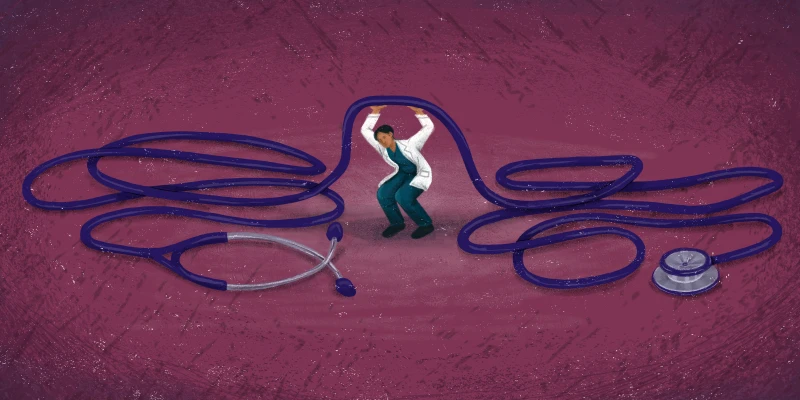
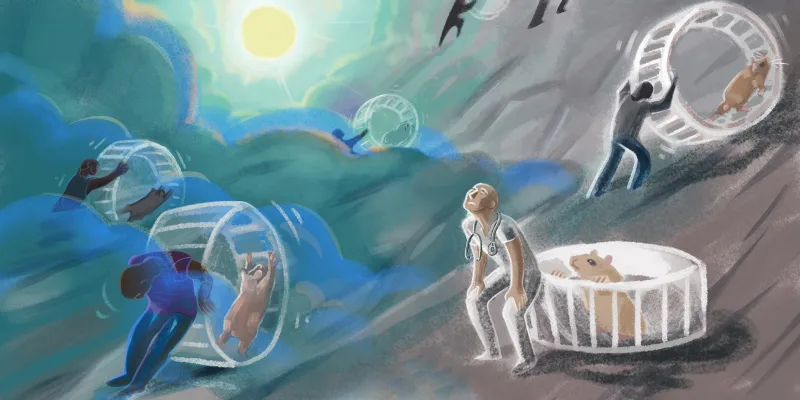
I thought of all the amazing female physicians, medical staff, and mentors whom I had the privilege of working with in my career. I thought about how we all put our children, partners, patients, family, friends, staff, health, and well-being above our own and ignore ourselves.
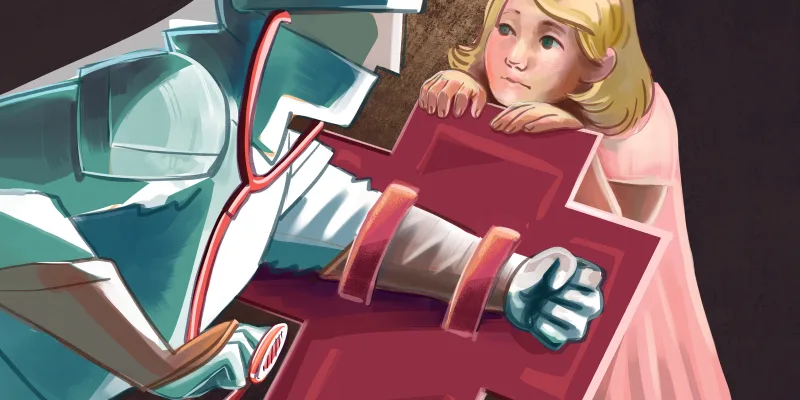
Then I questioned, “Who cares for the caretaker?”
The hard truth is we care for so many in our lives that we leave nothing to care for ourselves. We hear the clichés, “You can’t pour from an empty cup,” and “Taking care of ourselves is how we can take care of others.” We push the 'like' button, agree positively, but do we act? In truth, I only acted because of my children.
To all the caretakers, especially my women colleagues, as we tend to assume the caretaking of so many: please make and keep your health care appointments. Take the time off you have earned, but never used, to care for yourself.
At the time, I thought my year of wellness was just a practice to change my mindset, but instead, it very well changed my life.
What ways have you taken care of yourself as a clinician? Share in the comments.
The author is a pediatric cardiologist with a focus in medical education. In their free time, they enjoy swimming, running, and adventuring with their family.