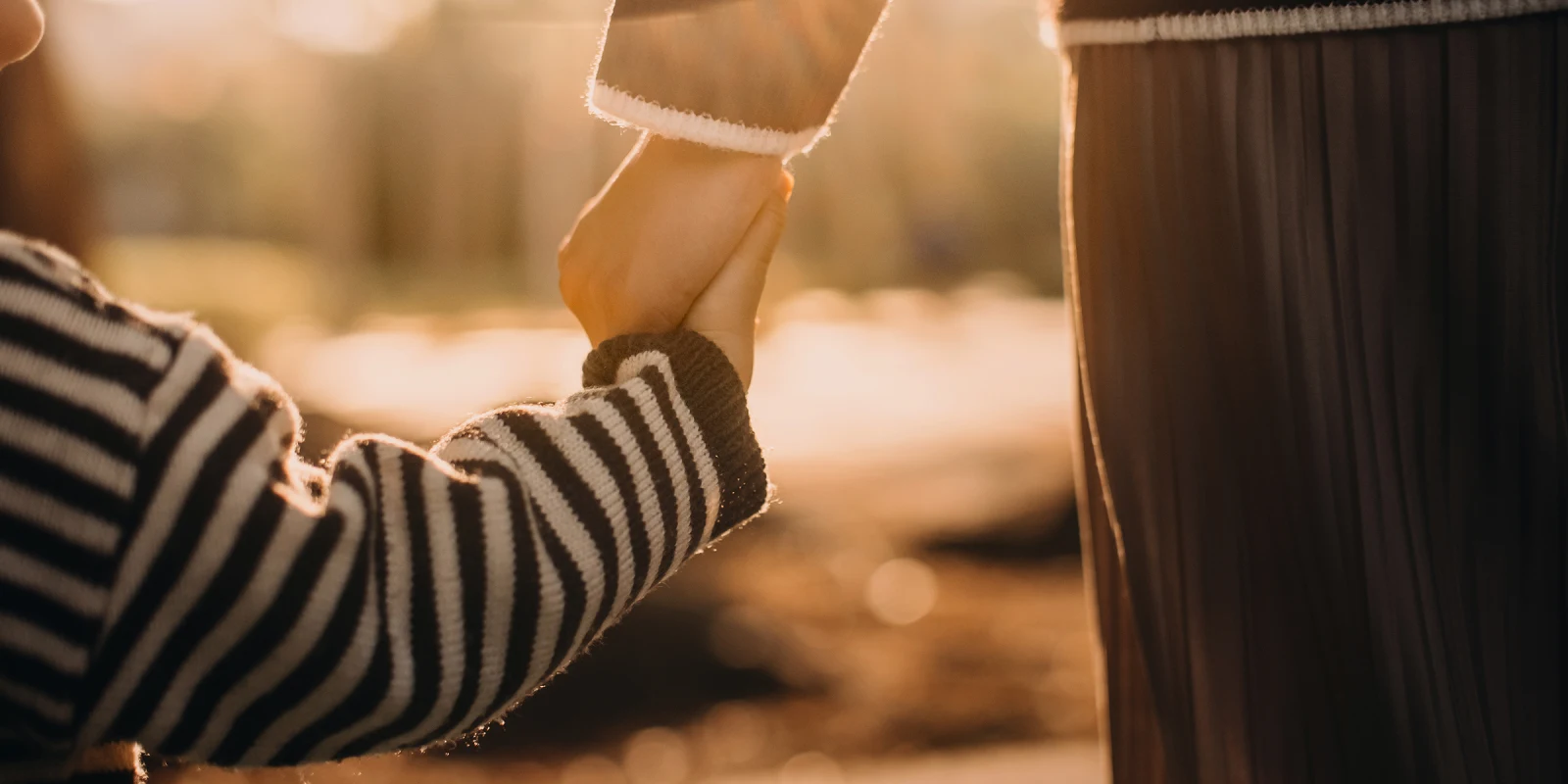

My understanding of what it meant to be a physician first emerged from summers spent with my grandmother. She had practiced internal medicine in China for several decades before retiring, but to my sister and me, she was simply our lao lao. As a child, I recall those summers filled with small bits of health guidance she would discreetly impart. During meals, she would encourage my sister and me to eat all the colors of the rainbow. In the afternoons, she would walk us through eye exercises, tracing the contours of a clock with her arms. And during the evenings, we would always make sure to squeeze in a stroll around the block. For my grandmother, looking out for our health was inseparable from how she loved us.
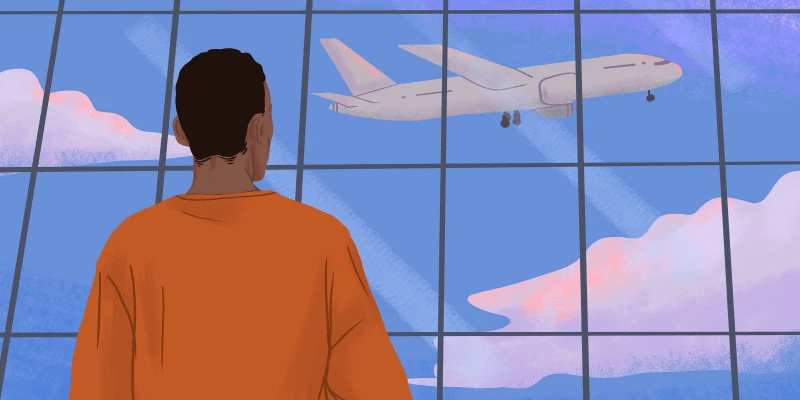
I did not always view my grandmother’s actions, informed by both love and knowledge, as care. In my teenage years, a string of poor habits would elicit a gentle remark of concern that I often mistook for nagging: phone use in the dark, long evenings hunched over my laptop without breaks, and skipping breakfast. As I grew older, understanding began to settle in, but it wasn't until medical school that I began to appreciate where my grandmother had been coming from. I recall learning about Virchow's triad one day and feeling a shift in my memories as I thought back to the many flights across the Pacific, and how she would leap out of her seat the very second the seatbelt sign turned off to take a stroll down the aisle, gesturing for us to follow. In that moment of recognition, I discovered a shared medical language that provided the reasoning behind what she had always quietly done. Learning medicine has helped me understand her differently. All along, she had taken knowledge and transformed it into care for the people she loved.
Although my grandmother passed away during my second month of clinical rotations, her influence has remained and even strengthened as I progress along my training. More than ever, I am reminded of what she had always demonstrated — that the role of a caretaker is not confined to the hospital or clinic. Much of my training during medical school has taken place in constrained contexts, including standardized patient encounters, new admissions on the inpatient service, and scheduled clinic appointments. However, the knowledge, vocabulary, and instincts cultivated from these experiences have also followed me home, shaping how I interact with the world and care for the people closest to me.
I know noticing is not the same as medicine. Observation cannot substitute for a real medical evaluation, and there is good reason why clinicians are cautioned against treating their own family members. However, I’ve also come to believe that paying attention to the health of the people we love, especially when done outside of a clinical context, is a different way of putting medicine’s purpose into practice. When a friend mentions a symptom in passing, I find myself listening a little more closely, mulling it over, and checking in. Without meaning to, I've slowly stepped into a role in my personal life similar to the one my grandmother held. I am the one to remind my mother to reapply her sunscreen before her morning runs. I texted my sister during her recent gynecology visit and chatted with her afterward. When my father was diagnosed with osteoporosis and started on bisphosphonates, I found myself reading about it not as a student reviewing for an exam, but as a daughter trying to understand what this meant for him. And then there is Wren, our beloved dog, whose lipoma I first noticed a couple of years ago and have been keeping an eye on since.
My grandma’s love for me taught me to offer the same to the people I love, and to my patients. I’ve come to feel real fondness for the people I care for on the wards. Even during frustrating encounters, I am reminded of the full person in front of me. These are small gestures rather than heroic acts of medicine, inherited from the same impulse my grandmother led with for her entire life. With each trip down the plane aisle, the handful of blueberries to complete the rainbow, and biweekly check-in calls, she showed me — even before I decided to pursue medicine — what it looks like to carry knowledge and offer it as care. I think of her often when I do the same. These days, I find myself taking the extra time to check in again with my patients, to connect with their families, and to embody care in the same way she did.