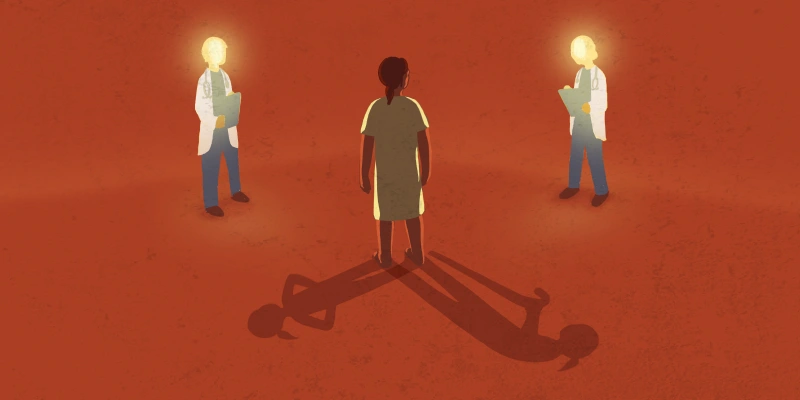

For years, treating obstructive sleep apnea (OSA) felt like offering a single answer to a complex, deeply human problem.
Patients arrived exhausted — physically, cognitively, emotionally. Many had spent years trying to normalize their fatigue, brain fog, and irritability. By the time they reached us, their sleep — and often their lives felt fractured. “I would do anything to sleep better,” they said. And while we had effective therapy — continuous positive airway pressure (CPAP), it is not something everyone could tolerate.
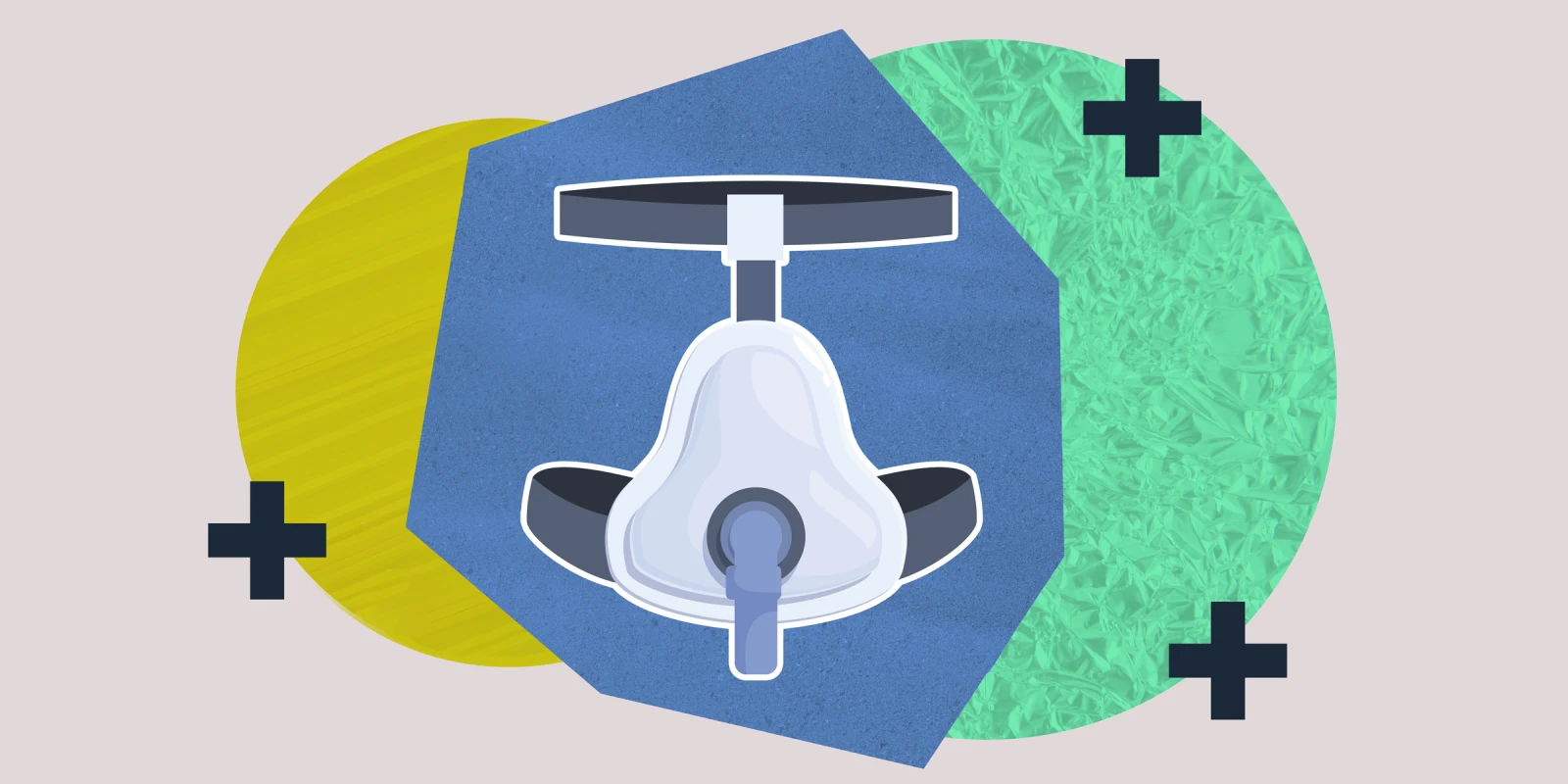
CPAP remains the gold standard for OSA: noninvasive, highly effective when used, and often life-changing. But adherence remains below 50% in most studies. Patients joked about feeling like “Darth Vader” or “little piggy.” Others struggled, some crying in the clinic, describing the sensation as foreign, claustrophobic, even intolerable. Practical burdens — travel, work schedules, intimacy, portability — often proved insurmountable.
I remember the quiet frustration — mine and theirs. I understood the pathophysiology well, but I could not offer a solution that felt viable for them. Patients would tell me, “It feels like torture,” or even, “I sleep better without it.” Some learned to “game” adherence — using CPAP while awake to meet insurance compliance thresholds (>4 hours per night on ≥70% of nights), then removing it to actually sleep.
Nonadherence was often framed as patient failure. But it rarely felt that simple. These were not unmotivated patients; they were patients for whom the solution did not fit the life they were trying to live.
For me, this evolution is also personal. My father died in India in the 1990s from what I now understand was untreated obstructive sleep apnea. At the time, we did not have the language for it, let alone access to therapies like CPAP. What I now diagnose and treat routinely was once invisible to us. Early in my career, I was simply grateful to have a treatment. Over time, caring for hundreds of patients, I came to see more clearly both the power — and the limitations — of that single option.
Today, the landscape is changing.
CPAP remains foundational. But it is no longer the only meaningful path forward.
Hypoglossal nerve stimulation (HGNS) — e.g., the Inspire device — was FDA-approved in 2014, but has surged in use since 2021, crossing 20,000 implants. Since 2024, I have been able to offer this at my practice, without sending patients elsewhere. A bilateral HGNS, Genio, received FDA approval in Aug 2025. Overall, HGNS has emerged as an important option for carefully selected patients with moderate to severe OSA who cannot tolerate CPAP. Clinical trials and real-world data have demonstrated sustained reductions in apnea-hypopnea index (AHI) and improvements in quality of life. In my own practice, patients who once felt they had “failed” CPAP have described HGNS as transformative — quieter bedrooms, restored partnerships, and the return of restful sleep.
We are also witnessing a shift in how we address one of the most significant drivers of OSA: weight. While bariatric surgery has long been an effective intervention, it is not accessible or appropriate for all patients — and untreated severe OSA can itself increase perioperative risk. More recently, GLP-1 receptor agonists and dual incretin therapies, such as tirzepatide (Zepbound), have expanded our ability to treat obesity as a chronic disease. Sustained weight loss with these agents has been associated with meaningful reductions in OSA severity, and in some cases, resolution of disease. Increasingly, I am having conversations with patients about safely discontinuing CPAP after sleep study confirms resolution of OSA after weight loss — conversations that were once rare outside of surgical contexts.
At the same time, we are getting better at treating the experience of sleep overall. Insomnia frequently coexists with OSA and can undermine adherence and outcomes. Historically, access to cognitive behavioral therapy for insomnia (CBT-I) was limited, with long wait times and few trained clinicians. Since 2017, FDA-cleared digital therapeutics (such as SleepioRx) have expanded access to evidence-based CBT-I, allowing us to treat insomnia at scale and integrate it into routine sleep care rather than feeling rushed, or offering medications with long term side effects. And pharmacological therapies are being developed for patients with sleep apnea.
Ultimately, what has changed most is not just the toolkit — it is the posture.
I find myself listening differently. Asking different questions. Offering choices instead of directives. There is a quiet but profound shift in being able to say: If this does not work for you, we have other ways to help. We will figure this out together.
Patients respond to that. They engage. They trust. And we all succeed — not because the science is entirely new, but because the care is more flexible, more individualized, and more aligned with real lives.
As William Osler famously emphasized, it is often more important to understand the patient who has the disease than the disease the patient has. In sleep medicine, that distinction is becoming actionable.
I see partners sleeping through the night again. I see mood and cognition improve. I see patients reclaim energy, focus, and identity. And perhaps unexpectedly, I find myself happier too — less constrained, more effective, more aligned with why I chose this work.
I sometimes reflect on what might have been different if these options — and this awareness — had existed earlier, in other places, for other families. That reflection does not settle into regret, but into purpose.
We are entering a more expansive era in sleep medicine — one defined not by a single pathway, but by a network of possibilities.
The work remains complex. Barriers remain real. But the direction is unmistakable. It is a rare privilege to see sleep — and with it, so much of life — return to those who had long forgotten it, and to reflect on what care can truly accomplish.
Toshita Kumar, MD, is a physician in Connecticut with expertise in sleep medicine, pulmonary and critical care. She is interested in advancing patient-centered approaches and expanding access to innovative sleep therapies.
This article is part of the Medical Insights vertical on Op-Med, which features study breakdowns, resources, and insights from Doximity members on popular topics in medicine. Want to submit to Medical Insights? See our submission guidelines here; note that we are especially interested in articles covering oncology, dermatology, or rheumatology.
Image by Roman Samborskyi / Shutterstock