"The Pitt" has captured our attention with its gritty, unglamorous take on EM, a world defined by uncertainty, exhaustion, and teamwork. So if television can show the truth of EM, why are we still telling medical students they'll be saviors and miracle workers? By inflating their egos, we set them up for burnout, arrogance, and despair. Real life medicine is about humility, not pedestal-standing.
As a new ER physician, I entered every room with my shoulders back, head high, full of expectation — expectation that the white coat earned me status, that sacrifice made me noble, that knowledge gave me control over the chaos. And when reality didn't deliver, when patients weren't saved, when gratitude didn't flow, I collapsed into burnout.
I don't blame "The Pitt," or my generation's Doug Ross, for my false expectations. I blame us: the professors and mentors of medical education, who, from the first day, cultivate an air of pretension. We emphasize research experience and academic prestige over humanism, congratulate students for "earning their place," and tell them they'll save lives. Then on rotations, practices like pimping, where senior doctors fire off endless questions until a student cracks, reward guessing and punish honesty. The unspoken curriculum is clear: don't admit weakness and never say "I don't know." Slowly, empathy declines in parallel with increased distress, disillusionment, and perfectionistic expectations.
This culture is why doctors interrupt patients after only 18 seconds. Why we bark orders at nurses. Why we become resentful when patients Google their symptoms or don't follow our advice. It's why younger doctors are more likely to report frustration at their patients and find nothing in the ER “interesting” until patients are close to death, then quietly chastise them for not coming sooner. It's why we project infallibility instead of admitting mistakes, why aggressive end-of-life care is so common, and why doctors often avoid honest conversations about mortality.
That posture might look authoritative, but it's brittle, driven by our own egos. If perfection (or being a savior) is what makes us valuable, then acknowledging limits feels like admitting we don't matter.
My own burnout came not from lack of sleep or too many charts, but from the impossibility of living up to the myth that I was a hero. I thought my patients and colleagues needed me to be superhuman. That belief, deeply ingrained by training, became a source of moral injury when I inevitably failed to live up to it. Every time I enjoyed a hobby outside of medicine or spent time with family, I felt guilty. I'd been told medicine was a vocation and I believed that if I didn't love it constantly, maybe I'd stolen a spot from someone more deserving. When I finally admitted I wasn't a hero, the mask collapsed, and I nearly quit medicine.
The American Medical Assosciation's 2023 national survey found that 45% of physicians reported at least one symptom of burnout, with doctors 82% more likely to experience burnout than workers in other fields. Research often blames documentation demands, billing pressures, and the loss of autonomy. Those are real, but mostly unavoidable in our current system. What's equally corrosive, and less often discussed, is the culture of ego we build into young doctors from the start.
Instead, let’s start modeling humility: sharing our own mistakes, uncertainties, and regrets. We can praise students not just for diagnostic brilliance, but for patience and curiosity. We can reinforce that nurses, techs, and aides aren't support staff, but essential teammates. We can replace the culture of pimping with one that encourages honest questions over fear of being wrong. And we can talk openly about our lives outside of medicine, showing students that fulfillment doesn't require self-erasure. These aren't soft skills; they're survival skills. If we want to train grounded, resilient physicians, we need to teach the whole truth.
Let’s teach trainees what the job really is: imperfection, teamwork, and presence. Some days they'll save a life. Other days they'll hand a crying family member tissues, translate fear, or absorb frustration. Patients will complain, outsiders will criticize, and gratitude won't always come. As mentors, we can teach them that even when patients can't be cured, we can still be caregivers by staying present and humble.
If we're honest about what medicine really is — not glory, but grounded presence — then tomorrow's doctors may find fulfillment not in being saviors, but in being human.
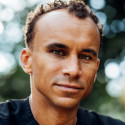
Dave Gutteridge is an EM physician and writer based in New York. His work explores the emotional cost of medicine, moral injury, and how ego, culture and disillusionment shape the way doctors heal and hurt.
Illustration by Diana Connolly