With little interest, I opened a letter from my insurance company explaining the charges for a recent doctor’s appointment for someone in my family. I raised an eyebrow when I noticed the charges were for a service provided for me. I raised the other one when I saw the services were also provided by me.
“Well,” I thought to myself, “that sounds like fraud.”
Ironically, but consistent with many clinicians, I don’t like going to the doctor. Well into my 20s, I was still seeing my pediatrician for sore throats and never felt the need to establish care with my own PCP. At 45, my thoughts shifted as I reached the recommended age for a colonoscopy. In my own practice of orthopaedic oncology, I grimly noticed that younger patients with metastatic bone disease have a disproportionate amount of colon cancer as the cause. It was time for me to grow up.
I soon learned that the colonoscopy could not be scheduled without a referral from a PCP (which I did not have, and establishing care would take months), so I simply opened my own chart in Epic and placed the order. The next day I asked my medical assistant to measure my blood pressure, height, and weight. I wrote a succinct progress note on myself and scheduled the study. The adventure would have ended there, except a computer somewhere decided that the clinical encounter created to measure my vitals should generate a charge — my source of accidental fraud.
I would not argue that this was the best or most responsible way to navigate the system, but it did stimulate thought and reflection. It concerned me that it was so difficult for an informed, motivated patient (me) to arrange for such a widely recommended and effective cancer screening. How are less informed, unmotivated patients getting colonoscopies and other basic primary care?
I live in Iowa, a rural state where the limitations on access to primary care can feel even more isolating and extreme in less populated communities. This is not a new or unrecognized problem. The state government just invested $10.5 million to create new residency programs and positions in rural areas for internal medicine, obstetrics, general surgery, and psychiatry, in an attempt to address coverage issues. This is a good start, and training someone in state does increase the likelihood that they will stay and practice, although there are certainly no guarantees. Other strategies to increase the number of physicians, such as student loan forgiveness for those willing to practice in rural or underserved areas, should also be explored. But increasing the number of doctors alone will not be sufficient to meet the needs of our aging society.
In May 2026, the AMA published a review of a study about nurse practitioners’ costs of care and length of stays in VA EDs compared with doctors’. It was a call to support the AMA’s efforts to “[defend] the practice of medicine against scope of practice expansions that threaten patient safety.”
My major issue with this review is the tone and implication. It does not sound like we are on the same team. It makes nurse practitioners sound like adversaries, not allies.
The thesis of this review could have been different. Instead of a call to resist infringements on scope of practice, it could have recognized the need for improving avenues for physician consultation and training requirements after graduation to gain experience so that we can empower non-physician clinicians to improve access and provide high-quality care. We can agree that some patients are very complex and are best served by specialized or experienced physicians. But we should also recognize that many patients, my own experience included, are straightforward. Expanding the pool of clinicians who can provide these services will improve community access and allow physicians to focus more on patients who will benefit from a higher level of training or experience.
The public interest argument should be enough. We should all want to work toward the goal of improving access to primary care services, including routine treatment of common acute and chronic ailments and health screening, using competent and well-trained physician and non-physician practitioners.
Non-physician practitioners are going to deliver more primary care services. It’s inevitable. The demand is outpacing our current levels of access, and it is a real problem. Even if we train more residents and incentivize practice in underserved areas, doctors by themselves are too few and too expensive to cover the needs of everyone. The choice is not whether doctors want this; the choice is whether doctors will drive the process or have it defined by someone else.
Change is always happening, and previously successful industries have either adapted or regressed. Blockbuster could not pivot to a streaming platform. Taxis lost much of their business to apps such as Uber and Lyft. The NCAA uncompromisingly resisted calls from athletes for some measure of compensation for years until it completely lost control. We have an unsolved problem with passionate advocates on every side, and a window to do something about it ourselves.
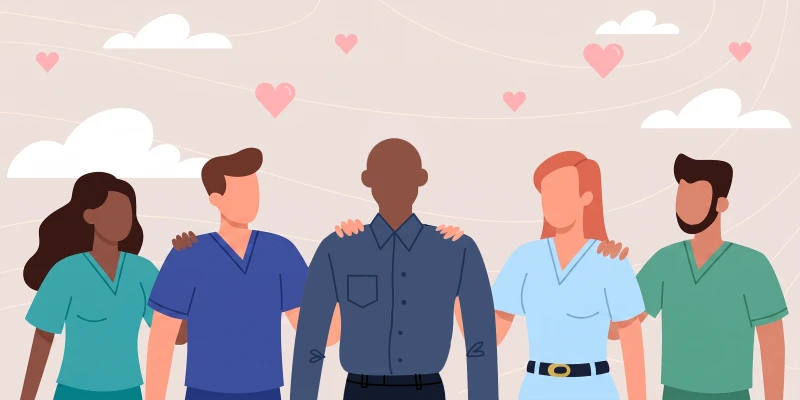
Primary care access is critical to a healthy society. It takes a competent and plentiful workforce to care for a population so diverse in so many ways. How best to do this is a complex topic open to many different opinions and potential solutions. But we should agree on the goal first, and debate the details later. It’s time for us all to take a step back and recognize that we are on the same team working to the same end. True advocacy for the public good, not for the benefit of specific stakeholders, will improve health and access — and keep harmless but obstinate orthopaedic surgeons out of jail.