
Primary care is the basis for our health in the Western world. Think of it as the axial skeleton to America’s healthcare skeletal frame, and without it, everything comes falling down. True effective primary care has so many benefits to population health and this has been demonstrated over and over. It has proven to be one of the most effective drivers of preventive care and positive healthcare outcomes both here at home and internationally. It decreases mortality from a population standpoint with a true cost savings. Studies have shown that greater primary care physician supply decreases morbidity and mortality. It has also demonstrated Medicare savings and more effective use of our tax dollars for healthcare usage.
As a physician, you are likely aware that U.S.-based care has been fragmented for a significant amount of time, with primary care separate from specialty care. In the “old days," patients would see one “family doctor," and he would provide most, if not all, care to the patient, from taking out a gallbladder to vaccinating the children. Those times are far behind us, but that does not mean we still don’t need the support system of a longitudinal relationship with a doctor who understands who we are, our physical and mental needs, and the problems we each encounter. Primary care is as relevant today as it has ever been, but the numbers of primary care physicians continue to dwindle. The most recent family medicine Match (2026) per the NRMP demonstrated an approximately 84% fill rate compared to 95% fill rate just 15 years ago. It’s hard, “sweaty” work with little prestige and even less pay compared to other physicians. In my own practice, I have experienced many long days and excess hours for limited pay compared to specialty- and procedure-based care.
Yet, the government has maintained that it has been working to aid primary care by supplying multiple government programs, from Accountable Care Organizations (ACOs) to Making Care Primary again. These programs essentially want to cut costs while also providing more efficient care. In my experience, most of these programs have mainly benefited large corporate medical groups, hospital physicians, or some combination, while small independent practices like mine have been mostly left behind. Many of these programs have such stringent application requirements that most small clinics, especially those in underserved areas, cannot meet them to even apply for the programs. Per the federal government’s own website, these programs were meant to support primary care by providing direct monthly payments and upfront assistance payments to rural and underserved physicians to hire more staff, support administrative burden, and provide care that prevents worsening in chronic medical conditions and hospitalizations. The only problem is the government, with its known bureaucracy, seems short-sighted or even nonexistent at times to the plight of the physicians and clinics that they are meant to support. Again, in my practice, I have reached out to local ACOs and applied to numerous programs and have been told time and time again that my patient panel for traditional Medicare is not enough to meet the criteria to join, despite seeing hundreds of Medicare patients each year, because most of my patients have Medicare Advantage plans.
Take the Making Care Primary program from the CMS Innovation Center; it was created as a 10-year program to aid rural and underserved areas, but CMS decided after only 12 months of data that it was not “good enough," and they abruptly canceled the program. This cancelation led to many primary care offices and clinicians being abruptly told essentially that "Yeah ... we were going to support you and provide payments for better care, but now we're not.” Imagine you have made plans and assumptions based on being accepted into a 10-year program with government incentives — you signed independent contracts, set up care assistance, and hired more staff, only to abruptly be told that support was now gone. But this is the unfortunate reality for many physicians. Making Care Primary, apparently, was not as important as it seemed.
Now to be fair, CMS’ Innovation Center did replace the Making Care Primary with a new 10-year program called the Long-term Enhanced ACO Design (LEAD) plan, which now requires another round of applications and also limits memberships to those organizations already in an ACO. Also, the prior program would have sent incentive payments directly to the physicians and clinicians under the Making Care Primary plan, thereby having a direct financial effect on the patients' care through a physician intermediary. This clearly only adds multiple extra bureaucratic layers for the funds to end up in the care or assistance for the actual patient. All of this leads to an ongoing administrative burden on clinicians and ultimately delayed or poorer care outcomes for the patients that need it the most. Making Primary Care, per CMS spokesperson Alexx Pons, “was not on track to meet its intended goal," and CMS stated that by eliminating Making Primary Care and three other innovative payment programs, the U.S. would save $750 million for the taxpayers. Yet, without the long-term observational data on how much money was truly spent and what was saved by keeping patients out of the hospitals and providing more direct primary care, we will never know if we would have saved many more times that amount while still providing effective evidence-based care.
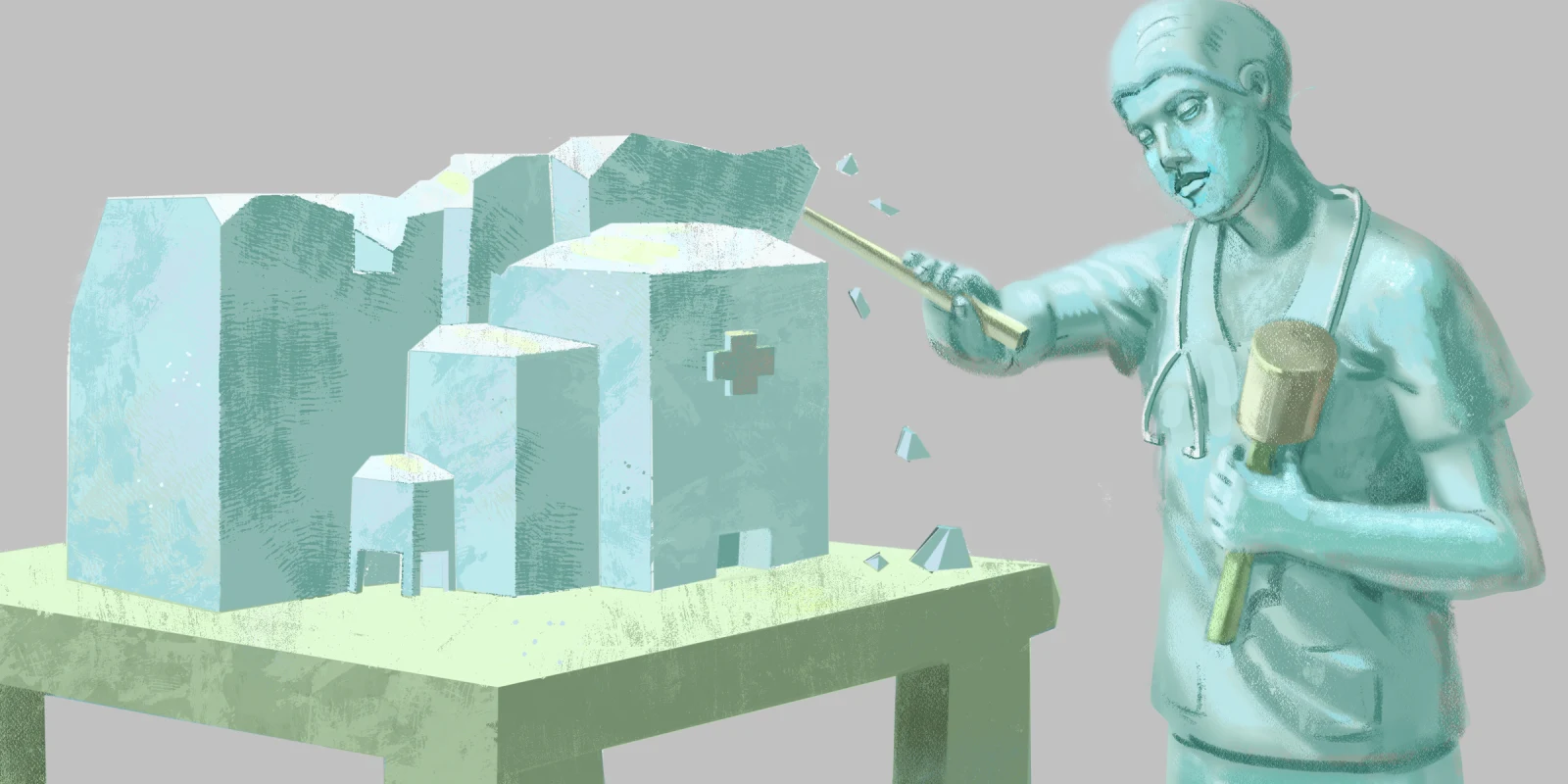
Yet, Making Care Primary’s elimination has created skepticism among doctors who would have benefited from the program and added evidence to the long-held beliefs by physicians that we cannot depend on the government to honor its role in providing payment for care to our most underserved patients. It’s also one of the reasons you have seen so many physicians start to opt out of Medicare and move to direct pay or concierge-type practices. I have even considered Direct Primary Care due to such governmental and insurance burdens on providing care. Without innovative changes to care provision, with a true dedicated CMS creating programs that put primary care first and allow the programs to determine if they are cost-effective or not, primary care in America is not going to change. These programs must include all facets of care — from acute care delivery, chronic care management, aid for the patient’s socioeconomic status, exercise programs, behavioral health support, access to affordable treatment, and more — that help patients along their continuum of life. And this support should allow for payment models that reward all primary care physicians, from single solo practitioners to larger multi-group practices, without boosting profits to larger corporations while providing money to the front-line practices. Without these changes to aid physicians in this plight, I fear that primary care will continue to inch its way toward oblivion with a much weaker skeletal frame, one governmental program at a time.
Dr. Christopher Burress is a med/peds physician in Bon Aqua, TN. He enjoys reading, writing, teaching, landscape painting, and spending time with his family and friends. He is a 2025-2026 Doximity Op-Med Fellow.
Illustration by Jennifer Bogartz