
She came in for Botox.
That was the chief complaint — if you can call it that — written on the intake form in neat, careful handwriting. Botox. Forehead lines. Maybe filler. She was in her 50s, a retired schoolteacher, and she had driven more than 30 minutes to reach my office. She sat in the chair with the particular uprightness of someone who had practiced appearing composed, and when I asked her what she was hoping to achieve, she looked at her hands for a moment before answering.
"I just want to look like I'm OK," she said. I put down my pen.
I came to aesthetic medicine the way most internists do — sideways. I had spent years in hospital medicine, then transitioned to functional and integrative practice. Aesthetics was the last lane I entered, and I entered it, I'll confess, with a certain clinical skepticism. I understood the procedures. I respected the science. But I had filed aesthetic medicine in a category I am now embarrassed to name: vanity adjacent.
What I found, once I was actually in the room with patients, dismantled that assumption entirely.
The woman who wanted to look like she was OK was not asking me to deceive anyone. She was asking me to help her face match the resilience she had spent three years rebuilding after her husband's death. The lines on her forehead were not simply the record of aging — they were the record of grief, of sleepless years, of a body that had carried more than it was designed to carry without any external acknowledgment of the weight. She did not want to look young. She wanted to look like herself again.
This distinction — between looking young and looking like yourself — has become core to how I practice aesthetic medicine. It is a distinction the industry does not always honor. The before-and-after photographs, the marketing language of "rejuvenation" and "restoration," the cultural conflation of beauty with youth — all of it creates an environment in which patients arrive already ashamed of their desire to be there.
They apologize and hedge. This is what I was not prepared for. They sit down and say, "I know this is silly, but—" or "I feel so vain even asking, but—" and then they describe something that is not silly at all. They describe wanting to feel recognized in their own reflection. They describe a face that has started to communicate fatigue or sadness or severity to the world when they feel none of those things inside. They describe the gap between inner self and outer signal, and they have come to me hoping I can narrow it. That is not vanity. That is the oldest human need in the examination room: to be seen accurately.
The year I began integrating aesthetic medicine into my practice, I started noticing something shift in my internal medicine consultations. Patients who had come to me for metabolic or hormonal issues began mentioning their appearance — not as a separate concern, but woven into their larger story of wanting to feel vital. The woman managing her thyroid dysfunction who mentioned that her face felt puffy and foreign to her. The man tracking his testosterone optimization who asked if there was anything that could help the hollowing around his eyes. The 60-year-old runner whose metabolic panels were extraordinary and who said, carefully, that she wished her face reflected how well she felt.
Aesthetic medicine gave me a new clinical vocabulary for something I had always seen but not named: the profound connection between how people look — or believe they look — and how fully they are able to inhabit their own lives. This is not psychology, though it overlaps with it. It is something more elemental. It is the difference between moving through the world with confidence and moving through it in a state of low-grade self-consciousness that depletes energy, erodes presence, and subtly undermines every other wellness intervention you attempt.
I have come to believe that the separation between aesthetic medicine and "real" medicine is an artifact of how we were trained, not a reflection of how human beings actually experience their bodies. Patients do not experience themselves in specialties. They experience themselves as a whole — a metabolic history, a hormonal landscape, and a face that either matches or betrays their inner life.
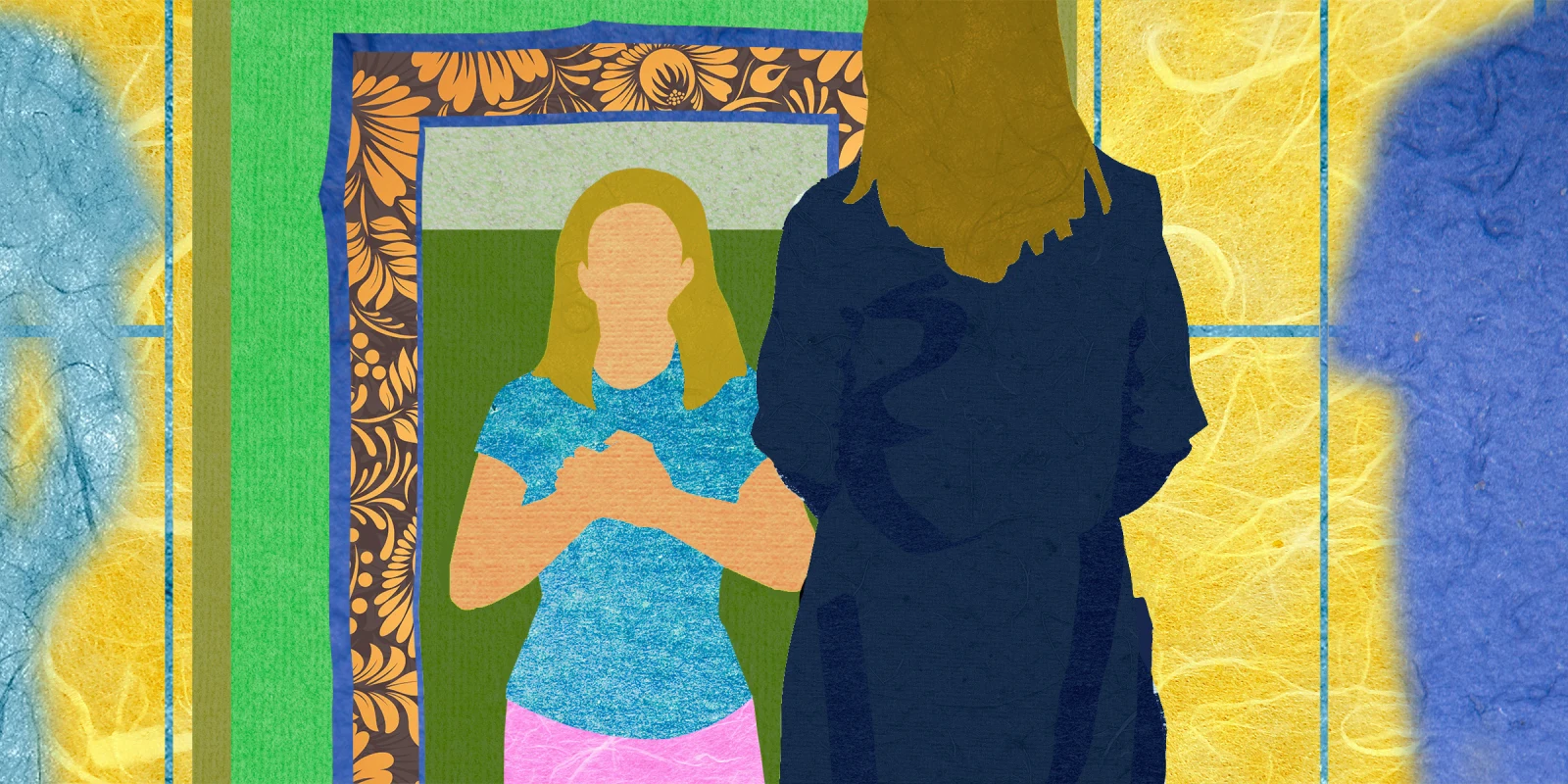
The woman who sat across from me and said she wanted to look like she was OK came back three weeks after her first treatment. She looked, not younger, but clearer. Rested. More precisely herself. I asked her how she felt. She said something I won't forget. She said: "I looked in the mirror this morning and recognized who was looking back."
I often think about how much we ask of our patients — to exercise, to sleep better, to manage their stress, to take their medications, to change their habits — but how rarely we ask the more fundamental question: Do you feel at home in your own body? Do you look in the mirror and see yourself?
Aesthetic medicine, practiced with intention and without judgment, can be an act of profound clinical care. Not because it makes people young. But because it can, when done right, return them to themselves. That, I have learned, is what most people sitting in the exam chair are really asking for. Not perfection. Not youth. Just the dignity of recognition.
Dr. Shiv Kumar Goel, is a board-certified internist and founder of Prime Vitality Wellness in San Antonio, Texas, specializing in functional, integrative, and aesthetic medicine. All names and identifying information have been modified to protect patient privacy.
Illustration by Jennifer Bogartz