Like it or not, for better or worse, state policy shows up in the exam room every single day. Regardless of the state you practice in, your specialty, or your practice setting, legislation impacts how we practice medicine, from Medicare reimbursement rates to malpractice reform. Many physicians are hesitant to be more involved in policy and advocacy — whether because of a lack of knowledge or experience or an incorrect belief that they can’t make a difference — but ultimately, our voices matter more than we know. For the sake of our patients and our profession, it is imperative that physicians have a seat at the table where these important discussions are taking place.
I live and work in Florida’s capital of Tallahassee. Here, similar to most other states, the legislative body is relatively inexperienced in healthcare as a whole. Florida’s bicameral state legislature of 160 members in total has just two healthcare professionals: one pharmacist in the House and one physician in the Senate. While others have some level of healthcare experience from adjacent careers, the legislature overall understandably requires significant ongoing education about issues of importance within the healthcare space. Practicing family medicine in the capital offers a unique opportunity to engage with legislators nearby and often, while simultaneously witnessing the effects of different policies once they are enacted.
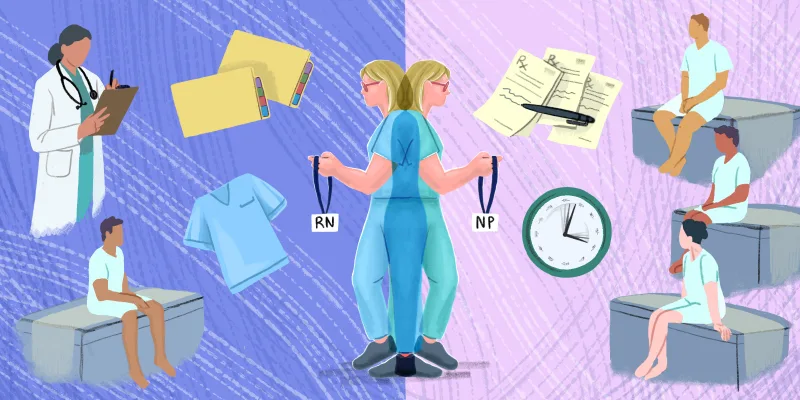
The last several years have seen no shortage of bills that have subsequently impacted how we care for patients in Florida’s capital and across the state as a whole. In 2020, NPs were allowed to practice autonomously in primary care settings. This has significantly impacted the availability of primary care in the state. In 2025, a law requiring mandatory ECGs for first-time high school athletes was passed, with implementation set to begin in the 2026-2027 school year. This will require Florida physicians to obtain an ECG for student-athletes as part of their pre-participation physical prior to participating in high school sports for the first time, a direct change in how we will manage these visits. And this year, sickle cell disease CME was added to the already-required controlled substance prescribing CME for Florida medical license renewals. This means that when Florida physicians take the controlled substance prescribing required course for license renewal, there will now be education on sickle cell disease incorporated. Beyond the bills passed, dozens of bills that could potentially affect healthcare are filed every session and watched closely by specialty, professional, and advocacy organizations throughout the state.
Practicing medicine in Florida’s capital gives local physicians unrivaled opportunities to participate in the policy-making process. Floridians often drive hours across the state to give testimony to committees on bills being considered in the legislature — but us locals can bypass this inconvenience. Being a short drive away from the Capitol building makes the opportunity to testify to a committee a minor inconvenience to your daily schedule rather than a multi-day adventure. Similarly, when bills that would have a big impact on how we practice are being considered, having proximity to the Capitol offices of legislators from all over the state enables us to easily meet and discuss these bills with said legislators.
Legislators’ schedules are fast-paced and often change at the last minute, so being flexible is key. If you are able to meet with a legislator or one of their staffers, here are several tips from my own personal experience:
Be prepared. Do some homework on who you are meeting with prior to arriving. Legislators with healthcare experience may be insulted if you feel the need to explain what a prior authorization is to them, while others without any experience in healthcare will likely require more education on why certain issues are problematic.
Be punctual. Meetings are generally short, often only 15 minutes, so being on time and getting straight to the point is imperative.
Be professional. Be sure to include your title or credentials when introducing yourself, as working in the healthcare space demonstrates an inherent reliability and expertise on health-related issues. When discussing issues, be sure to give them specific bill numbers, appeal to them with real experiences you’ve had related to the potential legislation at hand, and then “make the ask” — directly stating that you would like them to either support or oppose the specific bill.
Be persistent. Lastly, don’t be discouraged if they don’t agree with your position immediately. Educating and lobbying legislators is not a one-time occurrence; it is a repetitive and iterative process. When leaving, give a leave-behind and/or your contact information to one of their staffers and offer to be a resource going forward. Sending thank-you emails afterward is common practice as well.
Regardless of the state you live in, the need for physicians to be involved in health policy is paramount. Most of those who are making our laws do not have the “boots-on-the-ground” experience that front-line healthcare workers have, which is invaluable to understanding how proposed legislation will impact the health of our communities. Practicing family medicine in Tallahassee has afforded me the unique opportunity to have a say in the care of patients throughout Florida by being closely involved with the legislative process and meeting with lawmakers to influence important legislation affecting the health of our patients and the future of our profession. There is no limit to the impact we clinicians can have on countless patients and the health of our states.