
With the ongoing psychiatrist shortage, many patients with psychiatric symptoms are falling through the cracks of the healthcare system. In response, a growing number of psychiatrists have sought to bring mental health into the realm of primary care. Daniel Suter, MD, is one of them: A specialist in integrated care models, he currently serves as an embedded psychiatrist across multiple clinical sites, including general medicine and addiction-specific primary care clinics at Mount Sinai Hospital in New York City. In addition to his clinical work, Dr. Suter is the founder of Collaborative Psychiatry, an educational platform designed to empower primary care physicians (PCPs) with the frameworks and clinical reasoning tools necessary to manage mental health conditions confidently within the primary care setting.
Brendan Ross, MD, a psychiatry resident in New York City, works with Dr. Suter at REACH, a primary care clinic at Mount Sinai that offers special support for patients with substance use issues. After seeing how effective the embedded psychiatry approach could be in practice, Dr. Ross was inspired to raise awareness about it for other clinicians. This past January, he sat down with Dr. Suter to discuss their work, focusing on differences between the embedded psychiatric model and the traditional model, barriers PCPs face when it comes to providing mental health care, and misconceptions among clinicians around treating psychiatric symptoms. A lightly edited and condensed version of their conversation is below.
Interview
Brendan Ross, MD: Dr. Suter, could you describe what it means to be an “embedded” psychiatrist in a primary care clinic and what your day-to-day looks like?
Daniel Suter, MD: It’s quite different from the traditional model. Typically, we think of psychiatrists working in offices and taking over the full, longitudinal care of a patient’s mental health — sometimes indefinitely.
In my model, I work within general medicine and addiction clinics. Instead of assuming full care, I focus on shorter-term, problem-focused treatment. These might be “one-off” augmented curbside consultations, a few appointments to clarify a diagnosis, or a handful of sessions to adjust complex medications. A significant portion of my time is also spent outside of direct patient care, consulting with PCPs via phone or secure chat to support their diagnostic reasoning and medication selection.
BR: What is the most common reason a primary care doctor refers a patient to you? Does the nature of these questions ever surprise your psychiatry colleagues?
DS: The most common driver isn’t necessarily severe mental illness — it’s uncertainty. We operate in the midst of ambiguity in psychiatry; we don’t always know exactly what’s going on, but we find ways to move forward.
PCPs often refer patients asking: “Is this safe? Am I missing something? Can I manage this on my own?” Often, they’ve already taken the right steps, but they need reassurance. Once that uncertainty is addressed, they usually feel comfortable resuming management. It’s about providing support for their decision-making rather than “taking over” the case.
BR: What are the biggest barriers preventing primary care doctors from managing mental health conditions themselves?
DS: First is the fear of ambiguity. In the classic medical model, you have lab tests and vitals to monitor response. In mental health, we rely on subjective reports. Clinicians trained in traditional medicine aren’t always used to living in that uncertainty.
Second is time. In a 15-minute appointment, you can’t always pursue a full mental health assessment.
Third is the education gap. Many PCPs only had a month of psychiatric training during residency. They are motivated to treat the “whole patient,” but they don’t always have the resources to shore up their skills.
BR: How do current insurance reimbursement structures help or hinder this integrated model?
DS: There has been a positive shift toward value-based care. We have good evidence that integrating mental health reduces ER visits and hospitalizations, which lowers costs. However, many consultative tasks — like the “offline” education and coordination I do with PCPs — are not effectively reimbursed. From a billing standpoint, that work is often seen as a hit to productivity, which is unfortunate given how cost-effective it is in the long run.
BR: Which patients benefit most from this embedded model versus a traditional referral?
DS: Patients in the “diagnostic gray areas” benefit immensely. For example, a patient with depression and a questionable history of mania where a PCP is hesitant to start an antidepressant. Or teasing out ADHD versus a mood disorder.
[The embedded model] also helps patients with significant medical comorbidities who need their care in one place. Finally, it serves patients who might never engage with traditional psychiatry due to stigma. I can use the rapport they already have with their PCP as a “lower-barrier” entrypoint into mental health care.
BR: Can you share a case that illustrates why this model matters?
DS: Recently, I saw a young man with worsening depression and a history of high energy. The PCP was worried about flipping him into mania and felt stuck. I did a detailed history and determined his symptoms were more related to personality structure and trauma than a manic episode. We started sertraline, and I passed him back to the PCP for management.
Another case involved a woman with a psychotic disorder who’d had a traumatic past hospitalization and had “sworn off” psychiatry. I was able to drop in on her PCP appointment. Using that existing trust, I built enough rapport to see her for a few sessions and eventually helped her transition back to a formal psychiatry clinic.
BR: What is one thing you wish every primary care doctor knew about managing mental health?
DS: I wish they knew it’s OK not to know exactly what’s going on. You can persist in management despite uncertainty. I also want them to see psychiatric medications not as “magical pills” that change personality, but as a trial-and-error approach to managing symptoms. If one medication doesn’t work, it’s a data point, not a treatment failure.
BR: Is there a core competency missing from residency training that you hope to address?
DS: It boils down to clinical reasoning under uncertainty. That isn’t always on the ACGME competency list, but it’s fundamental. We need to create frameworks that provide enough structure so that mental health care can exist in medical spaces — much like cardiology has structured approaches to addressing cholesterol levels and cardiovascular risk factors in primary care clinics — even if ours will never be quite as “perfect.”
BR: Are there common misconceptions that psychiatrists and PCPs have about each other?
DS: A major misconception among medical doctors is that all psychiatric symptoms require specialty care. Just as PCPs manage stable cardiac disease without a cardiologist, they can manage mild-to-moderate mental illness with the right support.
Conversely, many psychiatrists assume PCPs are either hesitant to manage mental health or, on the flip side, “reckless” with prescriptions. In reality, most PCPs are very attuned to mental health and want to help; they just lack the specific resources to see the whole picture the way a specialist does. Most PCPs I work with are actually more hesitant and cautious about safety than the opposite.
BR: Any final thoughts?
DS: The recurring theme is operating in ambiguity. That is the biggest area for growth — navigating those unknowns to ensure patients get the support they need where they are already seeking care.
Note from Dr. Ross: A myriad of models are probably needed to treat patients dealing with mental health issues, but I believe that Dr. Suter’s practice is one that could be sustainable for our field, helping to normalize mental health treatment across the health care continuum.
Dr. Brendan Ross is a psychiatry resident in New York City. He enjoys reading, writing, and spending as much time as possible outside. Dr. Ross is a 2025–2026 Doximity Op-Med Fellow.
This article is part of the Medical Insights vertical on Op-Med, which features study breakdowns, resources, and insights from Doximity members on popular topics in medicine. Want to submit to Medical Insights? See our submission guidelines here; note that we are especially interested in articles covering oncology, dermatology, or rheumatology.
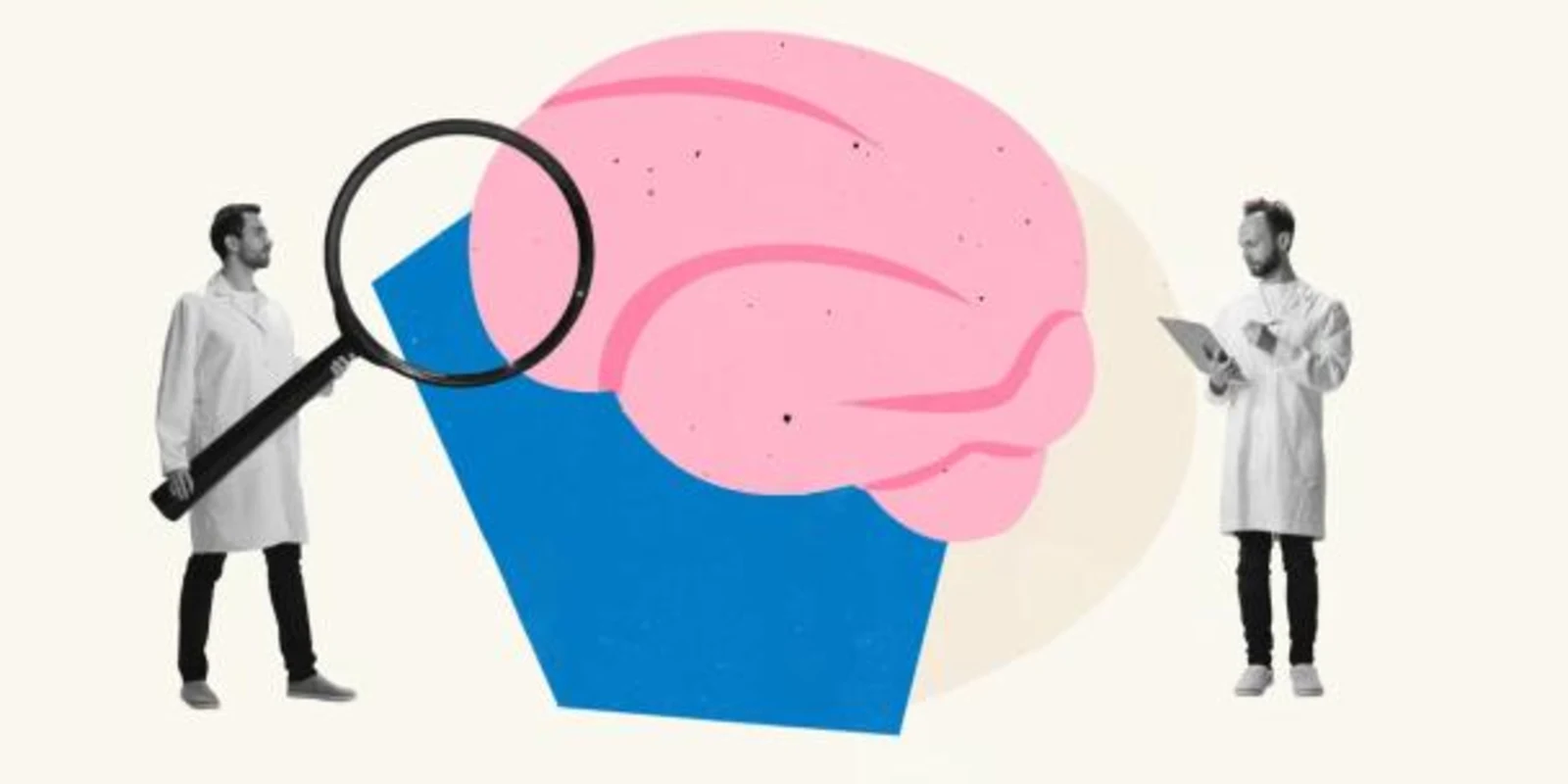
Image by Anton Vierietin / Shutterstock