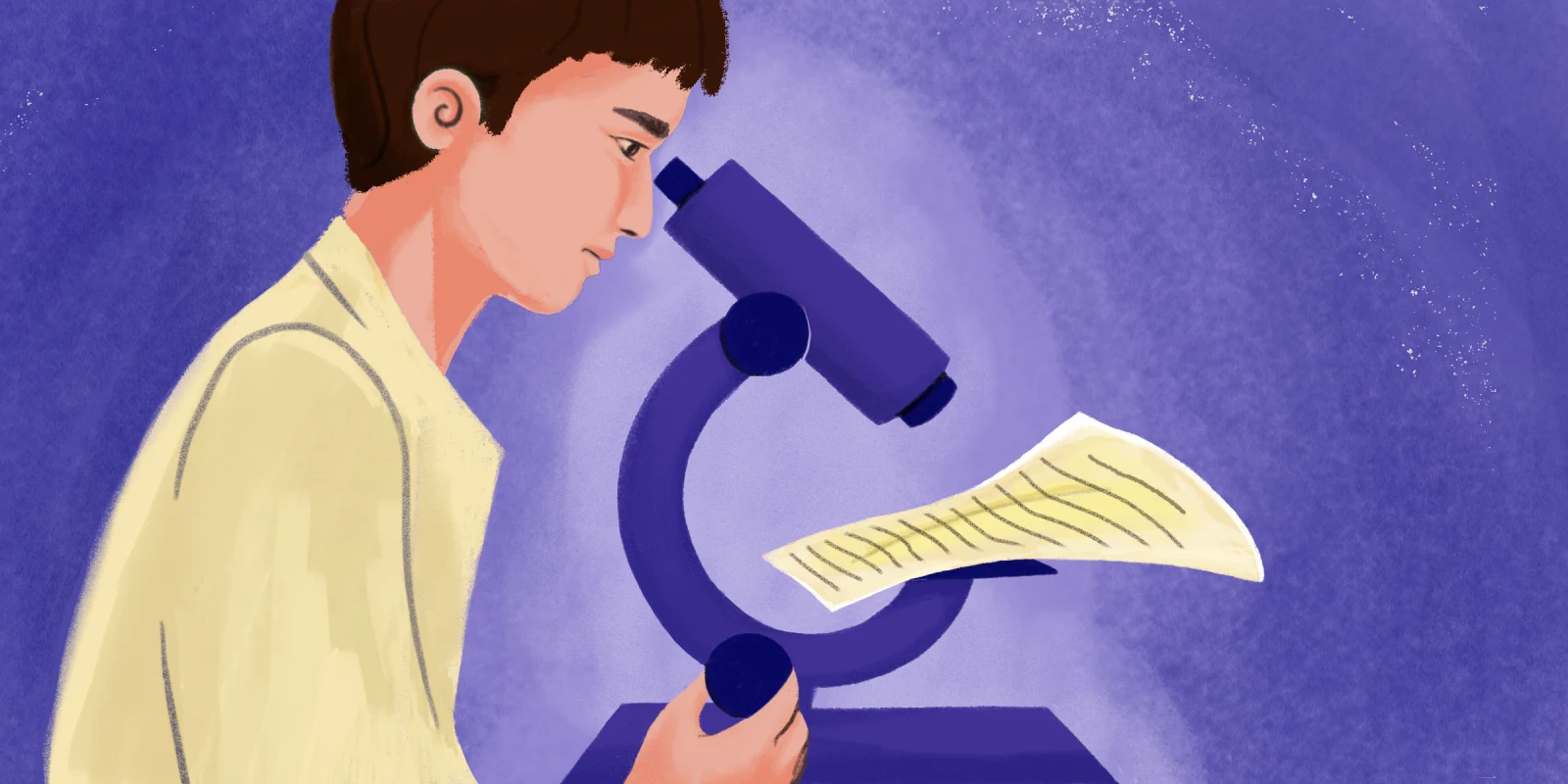

A couple months ago I finished a peer review at 10 o'clock on a Sunday night, after my kids were asleep. I spent about three hours on it across two evenings. I made some suggestions about the statistical approach and thought that the conclusions overreached the evidence presented. Ultimately, it was a good manuscript and worthy of eventual publication in a high-impact journal. I was not paid, and I did not expect to be. That is the arrangement all of us signed up for. Peer review is how we take care of each other's science. This is how it has always been.
A few weeks later, I was in the clinic with a man in his 70s with an unusual presentation of restrictive cardiomyopathy, and I went looking for a paper I half-remembered reviewing on that exact question. I found the abstract, then found the paywall: $35 for 24 hours of access to one article. I tried to log in through my institutional account, but after clicking through several screens to sign in, I found that my institution did not contract with that journal. I emailed our library asking for an interlibrary loan of the article, which often takes more than a week.
I am a cardiologist at an academic medical center with a university library behind me, and I could not get to the evidence I needed for the patient in the room with me. I am about as well-resourced as a clinician in this country gets. Consider the cardiologist in a three-person community practice, the internist at a critical access hospital, the physician in Nairobi managing the same disease with a fraction of the resources. They all hit that paywall too.
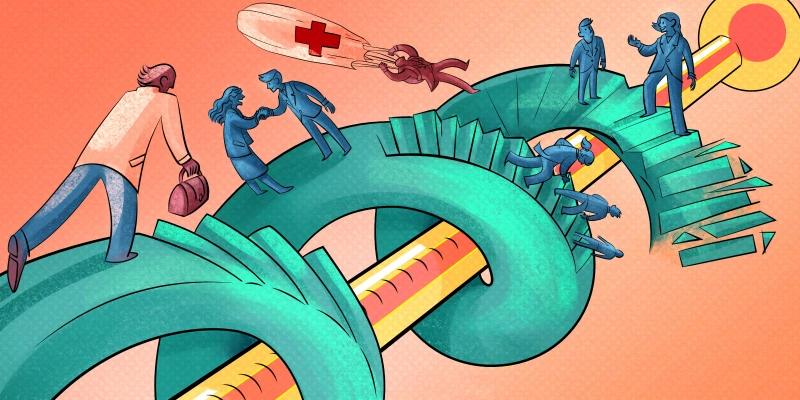
Researchers conceive the question, win the grant, run the study, analyze the data, and write the manuscript, frequently at night and on weekends. Other researchers review it for free. Associate editors shepherd it through revision for little or nothing, and their names appear nowhere on the paper. Then, at publication, the authors either sign their copyright over to a commercial publisher that sells the work back to their own institution or pay a substantial fee to make it readable. Nearly all the value is created by one community. Nearly all the surplus is captured by another.
The numbers are not close. Peer reviewers donated more than 100 million hours of work in 2020 alone to the tune of well over $1 billion dollars of labor. A detailed analysis put the true cost of publishing a representative article at somewhere near $400. Article processing charges routinely run $2,000 to $5,000, and considerably more at prestigious journals. One major publisher’s science division reported an operating margin around 38% (better than Apple's) on a product its customers produced, reviewed, and edited for free.
To be fair, publishers do real work. They run submission platforms and user databases, copyedit, register and preserve the version of record, and handle indexing and discoverability. Those functions cost money and have true value, and any alternative has to reproduce and improve upon them. But does a few hundred dollars of cost justify a few thousand dollars of charge in addition to handing over the copyright to our work?
There is an observation that every system is perfectly designed to get the results it gets. Ours produces a result that serves neither the researchers who supply the work nor the clinicians who need to read it. That is not anyone's intention; it is what we inherited from a print-era model no one would design today. Given the chance to start over, we would almost certainly build something else.
I still think about that patient. The paper I needed existed. Someone had done the work, and someone (me) had reviewed it for free on a Sunday night. Yet it sat behind a paywall while the patient sat in front of me.