These poems are part of the Medical Humanities vertical on Op-Med, which showcases creative writing by Doximity members. Do you have a poem, work of lyric prose, comic, or flash fiction piece related to medicine that you’d like to share with the community? Send it to us here.
Pond’s Heavy Mud
When I lost my most beloved patient
I saw it first in his eyes —
wide, fixed,
no recognition left to register me.
Later, his family said
he was strong, gentle, and kind.
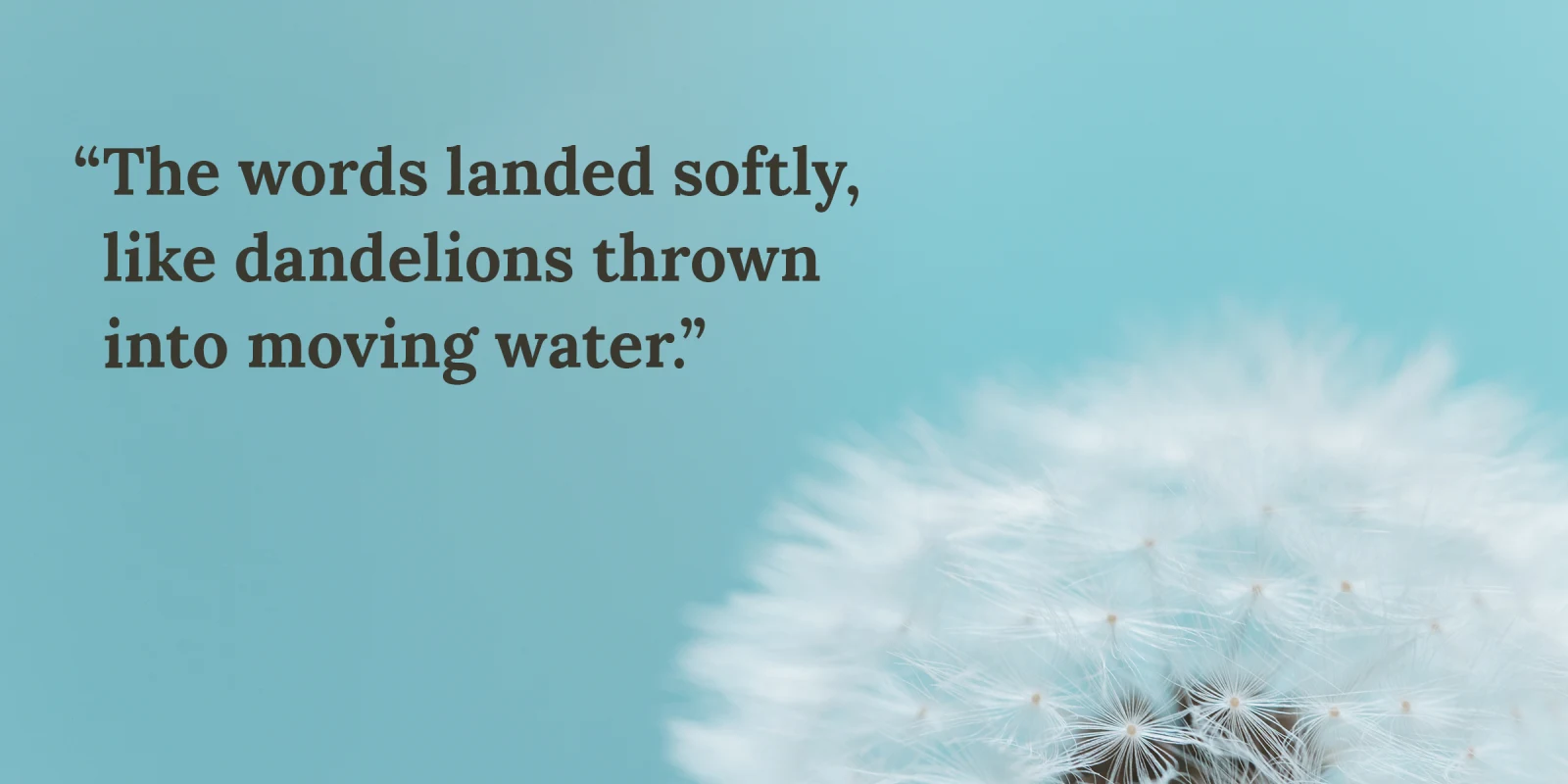
The words landed softly,
like dandelions thrown
into moving water.
——
Months later it feels like
I am a wildebeest
mired in a Serengeti pond —
legs churning mud,
the waterline climbing,
being left behind in the migration,
still stuck in the same place
with reminders of my patient.
Strong, gentle, and kind.
Five Months Later
Hollows take on a new meaning in her body —
pits, valleys,
eyes sunk so far in
they seem to magnify what’s left.
Cheeks subtracting themselves,
collarbones emerging like punctuation,
chiseled
But bodies aren’t meant
to be shaped like this.
Mountains earn their angles —
this was taken.
I know her now
by outline —
clothes hanging, undecided
about which body they belong to,
how space gathers
where her body used to be.
She notices my pause,
meets it before I can look away,
laughs then says,
This is a body I would’ve killed for as a teen.
The joke lands between us —
sharp, practiced.
I politely smile.
Because the joke is hers to make.
I am thinking
how medicine saved her life
by unmaking the body
she had to live in.
Made less,
and then less again.
Thief and giver.
Threshold
No one teaches you
how to recognize the moment
after the threshold —
when what was meant to help
has already passed
into something else,
and there is no undoing.
It arrives as sensation
before it arrives as thought.
A wing bent wrong —
not broken cleanly,
but past its design.
A rusted swing
pulled too far forward,
metal complaining,
the return no longer promised.
Glass shattering,
not like rubber that rebounds.
No recoil,
no forgiveness.
Ice opens beneath you —
the freeze stealing your breath,
hands searching
for fractures
that will not widen.
Later, it tastes bitter.
Like mate tea left steeping
after the leaves have given
everything they can.
Something meant to heal.
Stayed too long.
Before You Know Healing
A pastiche poem, based on Naomi Shihab Nye’s ‘Kindness’
Before you know healing as the deepest thing inside,
you must know recurrence
and loss as the other deepest thing.
You must watch shadows bloom on a scan
like ink spilled across a map.
You must witness days fall away
like leaves surrendering in late wind,
the calendar thinning branch by branch,
and still measure out the next chemo dose.
Before you know what healing really is,
you must wake to the smell of antiseptic,
alarms tolling like church bells in your ribs,
and walk into a room
where yesterday’s hope
has thinned like fabric worn threadbare.
You must sit with families in vinyl chairs,
their coffee gone cold,
as they weigh the word “trial”
and “innovation”
against the word
“time.”
Then it is only healing that makes sense anymore —
not the healing of cure,
but the tender healing of a hand
laid soft as dawn’s first dewdrops,
silence laid down like a second blanket,
a gaze that roots itself when the ground splits open.
It is only healing that returns you
to each room each morning,
to press your stethoscope
against another shore,
to offer presence in place of certainty,
and walk with them a little way because
sometimes —
that is all the medicine there is.
An Interview with the Author
What was your inspiration for this poem? Were you influenced by any other creative works?
I draw inspiration from all my patients — I try to take away something different from every encounter and interaction. The poets I read the most include Mary Oliver, Maya Angelou, and Louise Glück.
How long have you been writing creatively? What got you started?
I started writing poetry specifically in my second year of medical school, but my appreciation for reading and writers more generally began in college when I read pieces of the literary canon in my classes.
Why did you choose this medium? What interests you about it?
Nothing makes me pause, think, and savor words as much as poetry does. I think poetry is digestible for many because we know there can be a multitude of interpretations, and I appreciate how accessible this makes poetry.
How does this submission relate to your medical practice?
‘Pond’s Heavy Mud’ is about my experience suddenly losing a patient I had taken care of for weeks on wards; I’d gotten to know him and his family fairly well. After he developed PEA arrest and subsequent anoxic brain injury, I of course had other patients to take care of and had to continue on with my day as if nothing had happened. And before you know it, a new patient will be wheeled into the same spot in that room. Sometimes that can feel like you're forced to move on and things are moving too quickly, while you're still trying hard to stay afloat.
‘Five Months Later’ is about acknowledging the imperfections and shortcomings of medicines; the unintentional side effects. Although it gives many patients certain benefits, at what cost? This is a deeply personal question for patients to consider and take their own values and priorities into consideration.
‘Threshold’ is about understanding the limitations of the tools in our toolbox and when we have the potential to do harm rather than heal — and how sometimes that can be a slippery slope.
‘Before You Know Healing’ is a pastiche poem based off Naomi Shihab Nye’s ‘Kindness’ poem and it’s about the things we endure during training in order to truly learn and internalize what healing really means.
What does healing mean to you? Share in the comments.