
The ancient Greek philosopher Epicurus is often remembered as a philosopher of pleasure. In medicine, he may be more useful as a philosopher of endurance.
As a psychiatry resident, I routinely work with patients whose suffering far exceeds what their laboratory results or imaging might predict. Chronic illness, even when not marked by constant physical pain, can quietly erode a person’s sense of independence, identity, and future. Taken together, the Letter to Menoeceus, Principal Doctrines, and Vatican Sayings outline a practical framework that still resonates. A good life is not defined by the absence of all discomfort, but by minimizing unnecessary suffering — especially suffering created by the mind.
One patient of mine stands out. He had been independent and active before being diagnosed with Lyme disease. Over several months, he became profoundly fatigued and cognitively slowed. As his symptoms progressed, he struggled with basic activities of daily living. This loss of function unsettled him deeply. His mood declined, and each limitation became evidence, in his mind, that he would never recover. Eventually, he began to lose motivation altogether. He stopped eating regularly, withdrew from others, and returned months later with failure to thrive.
What struck me was how little of his decline was driven by physical pain itself. His suffering lived largely in his interpretations: fear that the damage was permanent, shame about depending on others, and a growing belief that his life was no longer manageable or meaningful. Epicurus warned that fear of the future — particularly the belief that suffering will never end — often causes more distress than the discomfort already present. Today, we call this catastrophizing. Epicurus recognized it as a loss of clarity.
Throughout this patient’s hospital stay, his wife was consistently present. She advocated for him, encouraged him to eat, and stayed engaged even when he had little energy to respond. Initially, he experienced her presence as another reminder of what he had lost. Dependence felt humiliating. Her optimism felt out of sync with his reality. But over time, with support, something shifted. When asked what kept him going, he said simply that his wife did. He wanted to be a good husband.
Epicurus placed great value on friendship and companionship, arguing that human connection was not optional but essential to a good life. Illness intensifies suffering through isolation. What this patient found was not a cure, but an anchor. His wife did not eliminate his symptoms, but she helped interrupt the internal narrative that told him his life was no longer worth engaging in.
Epicurean hedonism was never about indulgence. At its core were modest, stable goods: nourishment, safety, companionship, and freedom from inner turmoil. Illness often strips life down to these basics. When patients focus only on what has been lost, suffering expands. When attention slowly shifts toward what remains — however minimal it may feel at first — distress often becomes more tolerable.
This is where psychiatry often does its quiet work. Our role is not to deny illness or rush patients toward positivity. It is to help them differentiate between symptoms, limitations, and the meanings they attach to both. Not all symptoms can be alleviated. Much of the suffering that surrounds them can.
These ideas extend naturally to how patients experience pain when it is present. Pain is rarely just a physical sensation. Its intensity is shaped by fear, expectation, and perceived loss of control — all forces Epicurus intuitively understood. When mental agitation quiets, physical symptoms often feel less overwhelming, even when their objective severity remains unchanged.
Epicurus himself lived with chronic illness and wrote that bodily discomfort could be endured when the mind was not dominated by fear of what lay ahead. Clinically, this is not about minimizing pain or adversity. It is about restoring agency. Peace does not require perfect health; it requires freedom from the belief that suffering defines the rest of one’s life.
Modern medicine excels at intervention, but often struggles with limits. When cure is uncertain or slow, both patients and clinicians can feel unmoored. Epicurus offers a different measure of success: the restoration of calm, connection, and proportion. For patients with chronic illness — and for those who care for them — this perspective restores dignity to endurance.
Happiness, Epicurus argued, does not require a life free of pain. It requires a life organized around what is necessary, meaningful, and shared. In psychiatry, especially where medical illness and suffering intersect, that lesson remains as relevant today as it was two thousand years ago.
Dr. Raza is a psychiatry resident interested in the human experience of illness, particularly how psychological frameworks influence suffering, resilience, and the treatment of pain.
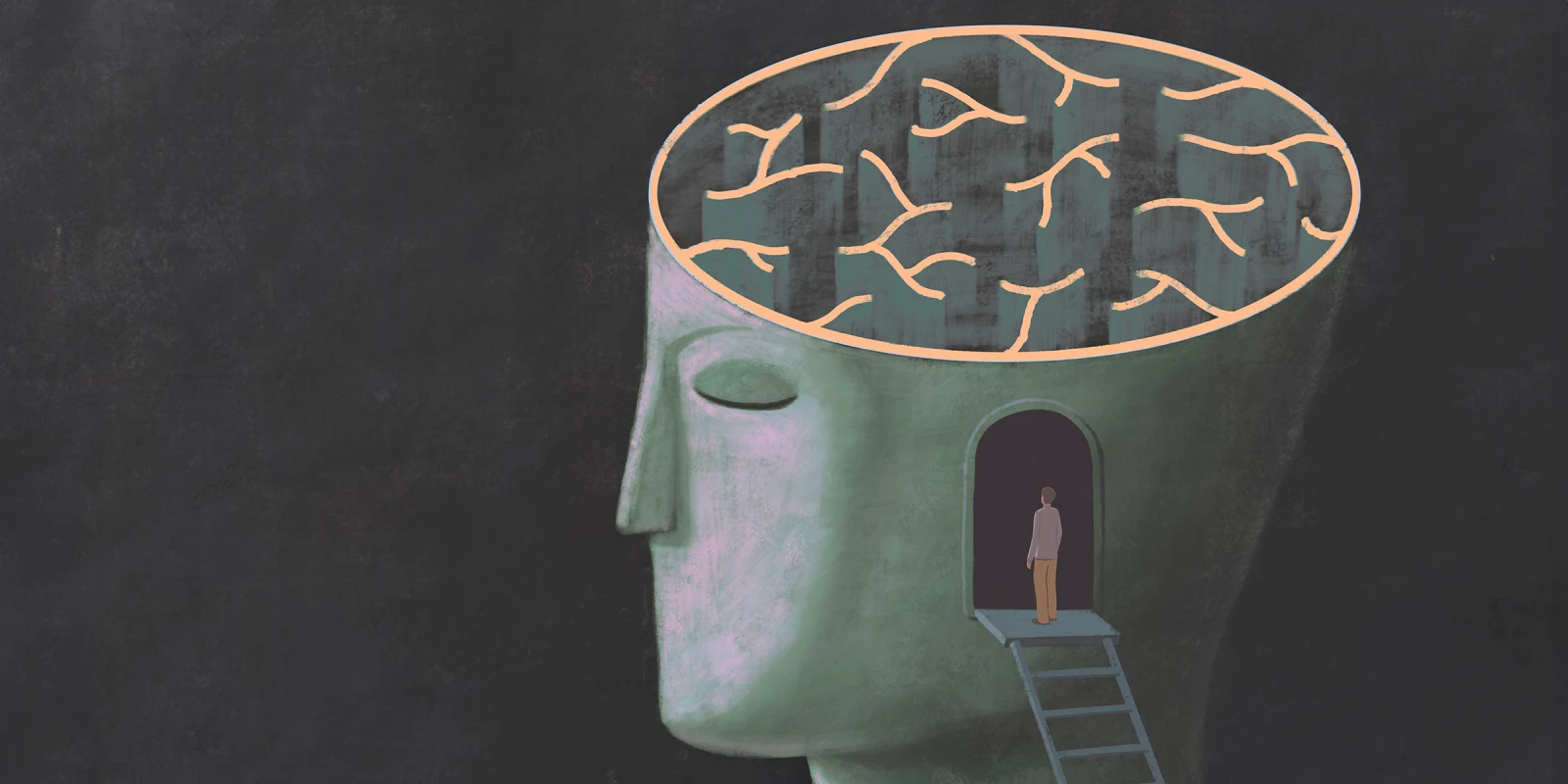
Image by Jorm Sangsorn / Getty Images