
It was Friday afternoon and I had just spent the past few hours digging myself out of my in-basket when a new message came in. The text was brief, the tone aggressive, and the intent clear — make me understand my own ineptitude. I opened the patient’s chart, resolute on diffusing the situation with a response before the weekend … until I saw that another message had been sent to her PCP. The subject line, in all caps, was: “I HATE MY ENDOCRINOLOGIST.”
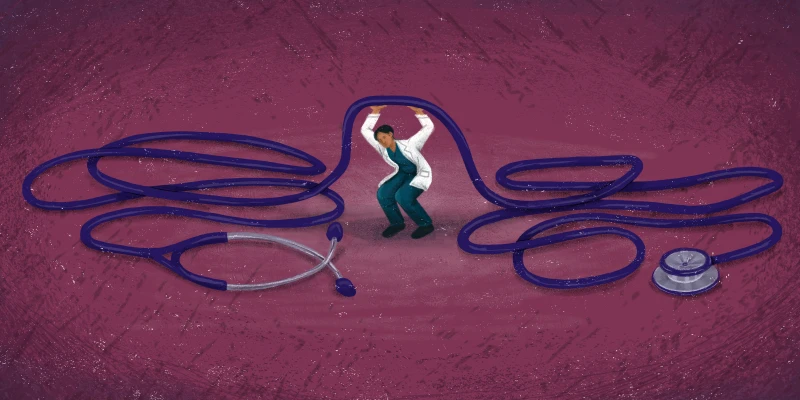
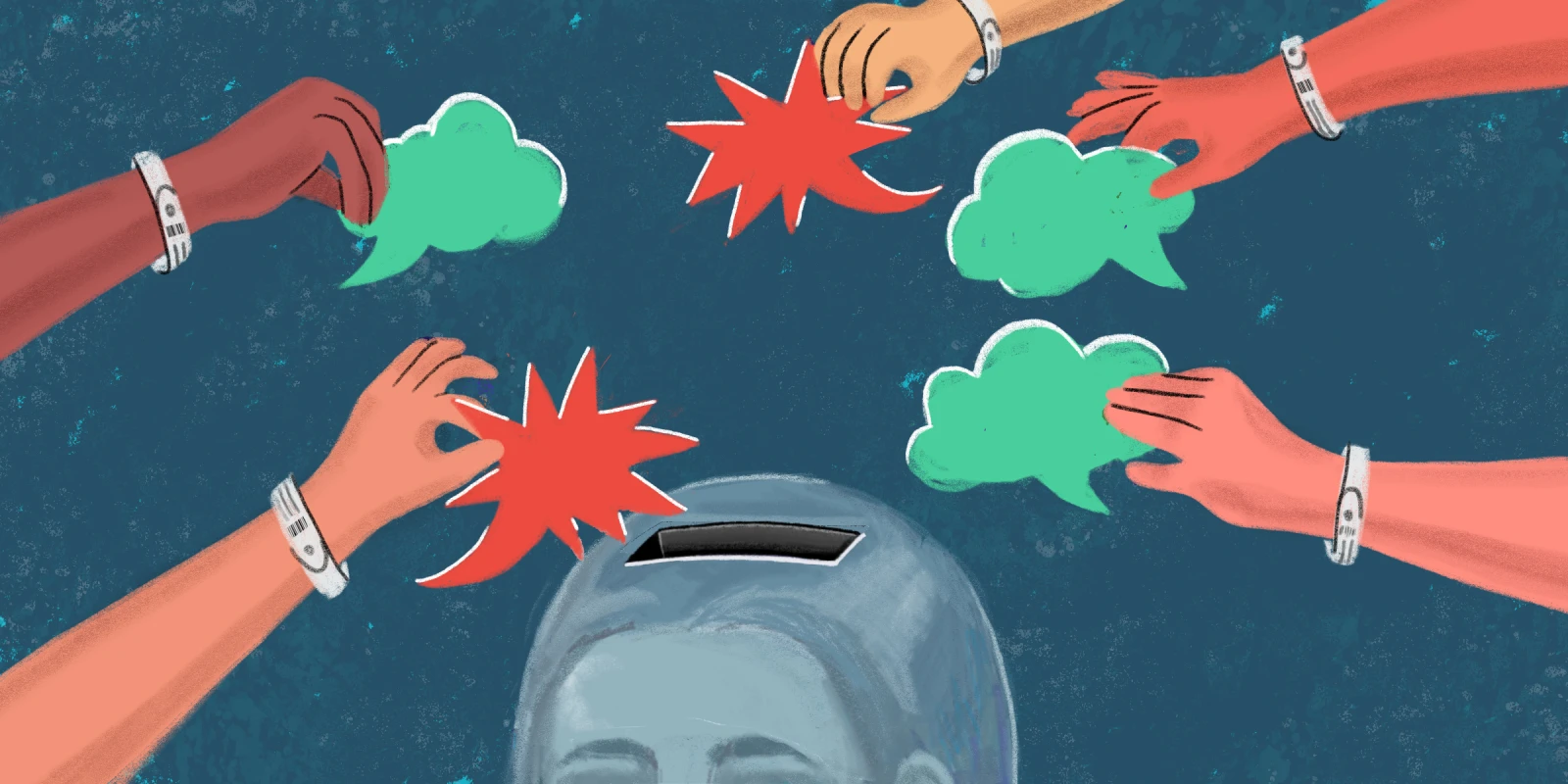
The message, also written in all capital letters, went on to describe me as dismissive, unhelpful, and terrible at my job. The reason for this vitriol? I suggested calling another pharmacy to check on the availability of the patient’s medication, because her pharmacy was out. This digital aggression is a hallmark of online disinhibition, a destructive online behavior that is becoming pervasive in health care messaging and that has real-world effects on clinicians.
The so-called online disinhibition effect was first coined by Dr. John Suler in 2004. The theory explores how anonymity, asynchronicity, physical distance, and lack of objective reality or consequences embolden people to behave in ways they wouldn’t in person. Suler’s framework analyzed both the positive and negative aspects of this behavior, but focus has predominantly shifted to the negative aspects. In the digital environment, the lack of real-time, face-to-face interaction creates a distinct situation in which generally accepted social rules do not apply. This psychosocial phenomenon is particularly problematic in the medical community, as more and more patient-clinician communication these days is happening online. I have witnessed the stark behavioral shift that occurs in the online space, contrasting these hostile messages with my prior pleasant or neutral in-person interactions with these patients.
Why is this all happening? Cultural shifts, technology design, insufficient patient education, and more.
First, there is a societal trend toward patients being viewed, and viewing themselves, as customers in the business of health care. While this positively encourages patient engagement, it also promotes a sense of entitlement to convenience, responsiveness, and satisfaction. This perspective leads patients to view the online messaging portal as a request for service, rather than a clinical interaction. Further, the consumer expectation has already been shaped by non-medical services like Amazon and Uber. The result is an expectation of immediacy with demand for rapid responses and frustration when someone’s clinician cannot meet their unrealistic expectation. The requests for patients to rate and review their experiences after visits only bolsters this belief and confirms a transactional approach to medical care: I will leave you a good rating, if you meet my demands.
Second, patient messaging platforms are designed in a way that appears informal. Many challenges arise in maintaining respect and authority when patients treat medical messaging platforms like social media, or expect instant responses. It becomes exceptionally easy to misunderstand and misconstrue the intent of messages when patients or clinicians start writing in CAPITAL LETTERS (are we shouting?), using voice-to-text features that distort the intended message, and adding shorthand or abbreviations. Intentional or unintentional, perceived brusqueness and lack of clarity can be a trigger for patient aggressions, but can also lead to clinicians more liberally labeling a message as “aggressive” when not intended in that way. The familiarity and pre-existing casual understanding of messaging platforms may result in patients not understanding appropriate boundaries or tone.
Ample time is spent educating patients on health and wellness during clinic visits, but little or no time is spent in educating patients on appropriate messaging topics and realistic expectations for communication outside of scheduled appointments. A lack of uniformity between clinicians, often within a single practice, fuels patient confusion and frustration. Patients must be supported to understand that new and complex medical questions cannot safely be addressed through back and forth messaging, and that clinicians need these boundaries to maintain the safety of their practice and their own well-being.
There are consequences for patient care if this disinhibited writing continues. The breakdown of trust created by disrespect erodes the therapeutic alliance. The quality of communication declines, with clinicians becoming more guarded or less responsive. Emotions, both positive and negative, are withheld from written communications, taking much of the warmth away from the relationship. These factors culminate in systemic strain — increased administrative burden and time spent in conflict management.
Are we doomed? Not yet. There are some solutions. Institutions should adopt and disperse uniform practice guidelines around expected clinician response times, after-hours policies, and what is appropriate for a portal message or telephone call. This clarity can help prevent hostility before it arises. In addition, institutions should uphold clear guidelines on respectful communication in portals and policies to protect staff from online abuse. These should be easily accessible to patients and clinicians alike and frequently viewable by patients accessing the messaging portal. Clinicians could receive better training on how to identify early warning signs of escalation to set boundaries proactively. Care teams can document repeat offenders who have not heeded clear warnings, and seek institutional support to dismiss these individuals. Medical organizations can be more vocal on this issue and lobby to create additional tools to help clinicians. Advancements in technology and artificial intelligence can be directed to messaging features like tone checkers, delay send, and message screening to encourage civility and give patients a chance to retract their initial messages.
Online disinhibition is a growing challenge that must be addressed to preserve respectful, effective patient-clinician relationships. One way I protect my own well-being is by recognizing that technology enables rashness, and that my patients are often not intentionally disrespectful but rather impulsive and lacking a filter for emotional reactions about the stress and uncertainty of their health. Allowing myself to sympathize with their vulnerability in these moments keeps me grounded in our shared humanness, and provides an opportunity for me to transform friction into a space of trust and safety.
Another way is by implementing a “cool down” period. While acknowledging feelings-based reactions is an important first step, it is also necessary to allow space for emotional regulation, both for myself and hopefully the sender. When I receive a message that feels hostile or shows early warning signs for escalation, such as impatience, I apply my 48-hour rule. Unless there is a clear and imminent threat, which thankfully I have not experienced, I refrain from responding for at least 48 hours. This pause is not to punish the patient, but to encourage self-regulation and reduce impulsive replies. Since enacting this approach, I have seen a range of outcomes: some patients follow up with an apology, some disengage, and some continue to escalate. These responses help me determine how to safely and effectively navigate the situation, and when to involve others.
We must continue to empower clinicians to confidently set boundaries and protect their peace, while maintaining compassionate care. Because, when the message inevitably arrives late on a Friday afternoon, we deserve the peace of an unburdened conscience. So, here is my call to action: Urge health care systems, tech developers, and patients to recognize and respond to this issue with empathy and accountability. It will take all of us to get the job done.
How do you handle disinhibition in your inbox? Share in the comments!
Carrie Keyes, PA-C, is a physician assistant in endocrinology based in Winston-Salem, NC, where she champions tech-forward diabetes care. She is passionate about advancing clinician education and shaping the future of diabetes management through research and advocacy. She is also involved in PA education and a strong voice for clinician well-being and safe, effective patient care. She is a 2025–2026 Doximity Op-Med Fellow.
Illustration by Diana Connolly