
In summer 2026, Doximity ran our Women in Medicine essay contest. We are happy to announce this as the winning essay.
Early in my career, advice was given often: Protect your time. Learn to say no. You cannot pour from an empty cup.
It came from people who had watched women burn out and wanted to spare me. I believed them, and I still do.
Just not at first.
Their advice reached me a step too early, and for years I heard it as an absolute. Every “yes” was a threat to my time, balance, and the careful life I thought I was guarding. What I could not see was that my no's were not coming from wisdom, but fear.
Somewhere along the line, I had absorbed a belief about how much a woman in medicine was allowed to want, and how much of herself she owed to everyone else first. I called it protecting my time. So I said no to almost everything, even 30 extra minutes of work that lit me up. My no's seemed reasonable, but they cost me more than I realized.
It took me years to see what I was doing: How little I asked for, and how carefully I guarded the life I was supposed to want. The real question was never, “How do I protect my time?” It was “What am I here to do?” But my no’s eliminated any chance of me ever finding out.
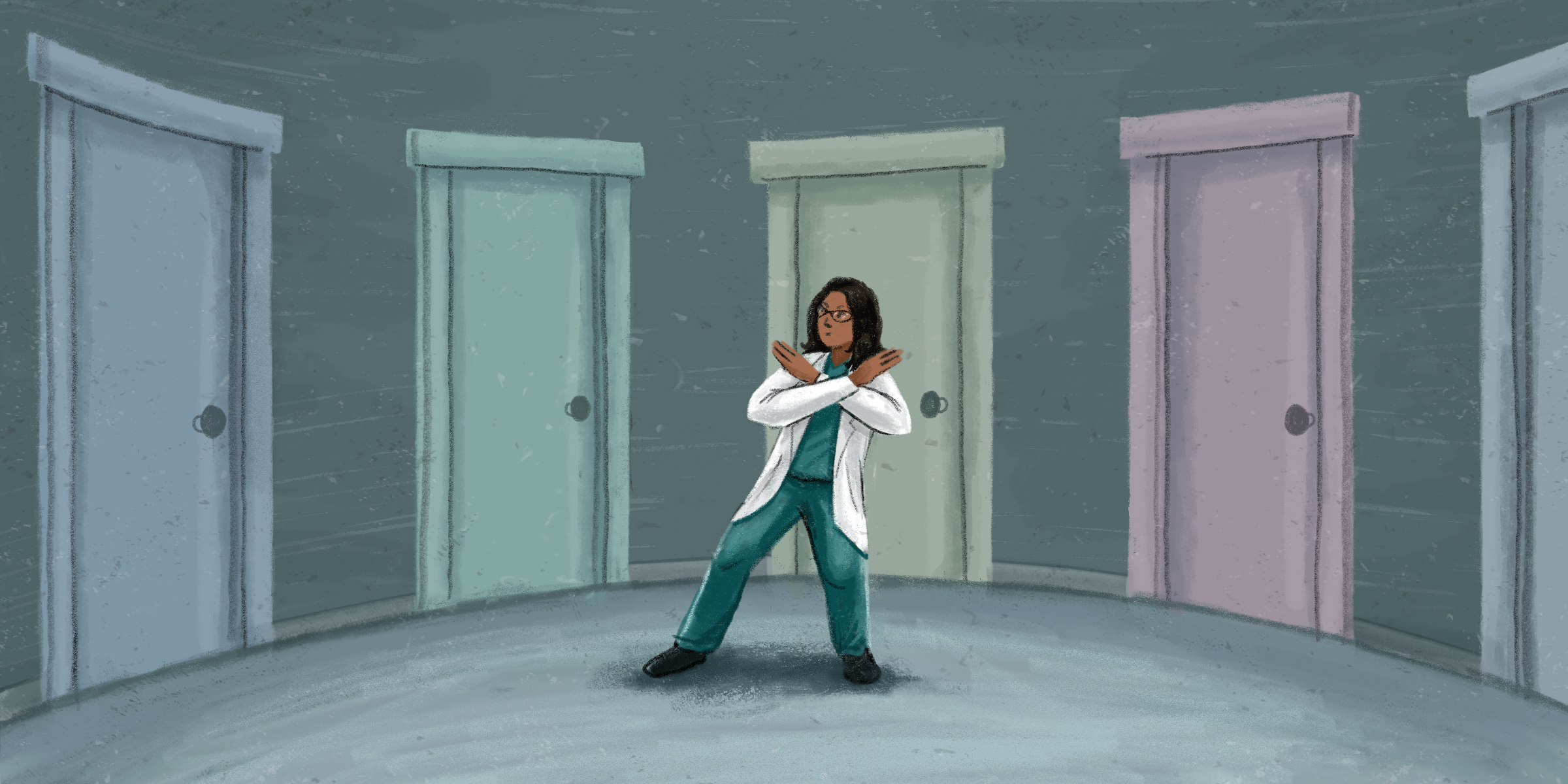
So I started saying yes, even to the things I could not see the point of. I joined a pharmacy committee that had nothing to do with my interests; an hour of my morning I assumed would be wasted. Instead, I learned how decisions actually get made inside a hospital. I came to know people across departments I would never have met. Years later, those connections made me better at the work I cared about most, as a consultation-liaison psychiatrist and a teacher. I had been uncomfortable saying yes; it had felt like I was overreaching. Instead, I found I had been underestimating myself.
To be clear: The takeaway from my saying yes to something that made me uncomfortable should not be that you say yes to everything. Women in medicine are constantly asked to do the work that earns neither credit nor gratitude. The hard part is that you often cannot tell which is which at the door. The pharmacy committee looked like a thankless chore, and it turned out to be the opposite. So the skill is not picking the right yeses in advance, but saying yes more freely than feels safe. You have to learn to pay attention to what each one gives back, and find the nerve to walk away from the ones that only take.
The yes that changed the most came not from the hospital, but from home: my husband's.
I was a young mother then, with two children and my in-laws at home. The place my husband and I connected most was the car. On the drive home from work, I would tell him about my day, one story after another, and he would listen, and frequently, he would ask, “Why don't you do it?” When something made me uncomfortable, he wanted to know why. He never accepted “I’ve never done it before” as a reason.
“You are capable of more,” he told me for years, before I believed him. I did not hear him for a long time. Voices you are not ready for tend to be ignored.
Then, one week, with family visiting and the house full, a colleague sent me what I read as an invitation to take part in a workshop on gender and culture in psychiatry. It turned out the invitation was to write it. The abstract was mine to draft, and I had 12 hours. I had never written an abstract, let alone a workshop, before. Every instinct said no. I heard my husband's voice, and instead I said yes.
After that, I began to hear others pushing me toward yeses, too. The mentors who had been telling me versions of the same thing for years. The encouragement had been in the room all along; I just wasn’t ready to receive it.
Now I am the one in the room with the young women. They come to me capable and careful, already fluent in boundaries. And they are not wrong to have boundaries. But our caution is taught to us early now, and we learn to be careful before we learn to be bold. So I tell them the part that should come first.
Say yes to the committee that seems beside the point. Say yes to the room you assume has nothing to do with you. Say yes while it is still uncomfortable, because that discomfort is often not a warning but a capability you have not yet demonstrated.
Balance is real, and you will need it. But a no that comes from fear is different than a no that comes from strength. The yeses taught me to tell them apart, and now my “no” means something.
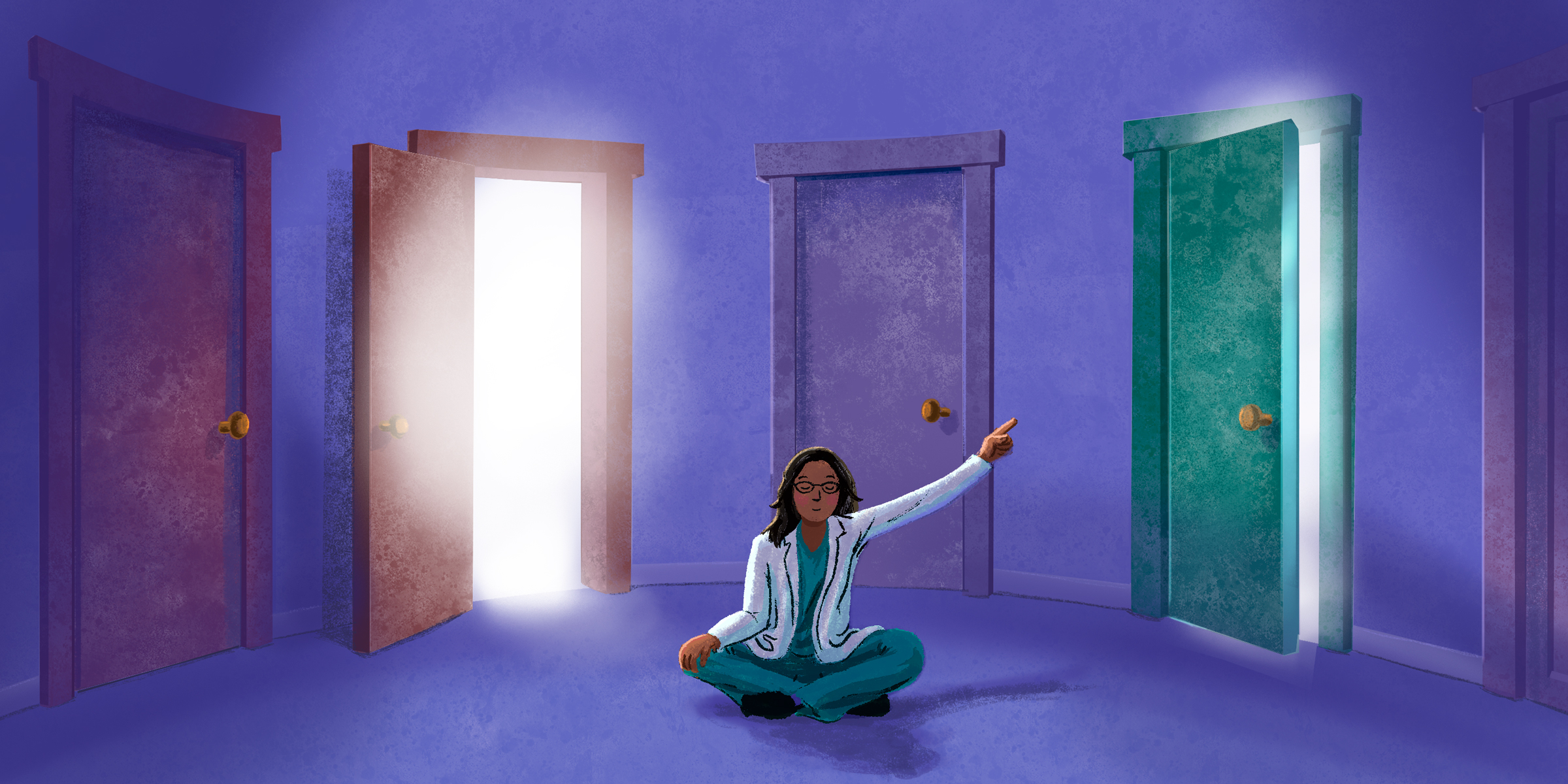
Say yes to more because you’re capable of more. That’s the advice I was given by a man who saw me before I could see myself. It is the advice I give now.
I am still saying yes.
What are some of the things you've said "yes" to in your career that have surprised you? Share below.