
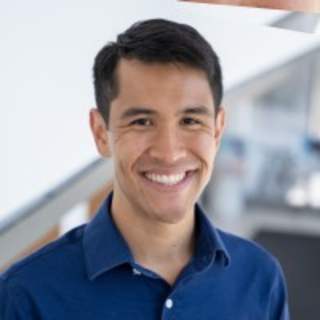
As a family medicine resident, most of my day-to-day training is spent immersed in clinical management, interpreting lab results, managing chronic disease, and working alongside multidisciplinary teams to navigate the social determinants of health. We are taught how to treat the downstream consequences of illness and inequality with compassion. While appropriately focused on clinical medicine, our training as learners is sparse in systemic patient advocacy, addressing the systems that fuel such sickness in the first place.
I first discovered the Committee to Protect Health Care through other physicians who shared a familiar frustration with the current trajectory of health policy. The organization’s mission is simple: mobilize a national network of healthcare professionals to put patients over profits. The idea of bringing the frontline physician voice directly into legislative debates and political campaigns resonates with me. Every day, we witness the human and moral cost of failed policy. We feel the weight of it alongside our patients.
To move beyond frustration and develop real advocacy skills, I spent a weekend this past June in Chicago alongside more than 125 physicians, nurses, students, and advocates from 30 states for the Committee to Protect Health Care National Organizing Summit. It was the first national conference in the organization’s six-year history, and it felt like a long-overdue gathering for physicians interested in structural change.
Unlike traditional academic or medical conferences, there were no poster sessions, panel discussions, or research presentations. Instead, the agenda was entirely focused on actionable skills taught by experienced organizers and physician-advocates. One of my clearest takeaways was that effective advocacy requires a deliberate balance of two elements: compelling data and human stories. Data establishes the need for a change, but narrative drives the point home. A dry statistic on prior authorization is abstract. However, the story of a patient with Crohn’s disease whose routine care was stalled by bureaucratic red tape, ultimately landing them in the ER in an acute flare, is an effective call for action. For the most part, the public and lawmakers view physicians as trusted community leaders. When we ground our policy arguments in real patient experiences, we humanize abstract legislation in a way few others can.
That dynamic was beautifully summarized by the keynote speakers, Illinois Governor J.B. Pritzker and Attorney General Kwame Raoul. Both leaders reinforced the reality that physicians often undervalue the impact of our experiences and stories. When health policy is drafted without adequate input from people who actually deliver the healthcare, the resulting systems inevitably fail our patients.
In residency, we are trained to advocate for the individual patient in front of us: appealing a denied medication, chasing a consult, or coordinating a complex discharge. But systemic advocacy requires an entirely different skillset. Through hands-on workshops, we worked on strategic messaging, media engagement, and coalition-building. We learned advocacy skills to deploy from within our well-established professional medical societies, such as the AAFP or AMA. We learned and practiced evidence-based messaging strategies. We heard inspiring examples of physicians being effective political advocates, whether through ballot initiatives or public office.
The summit was also an incredible opportunity to build connections. I reconnected with colleagues from Massachusetts and built new relationships with physicians from across the country navigating similar and different state-level political climates. Building on the momentum from the conference, a group of us from Massachusetts are establishing a local chapter to organize around the policy issues directly impacting our patients, from new Medicaid access barriers to proposed state legislation for primary care reform.
During the summit, Executive Director Dr. Rob Davidson noted that this gathering marks a shift where physicians stop treating advocacy as someone else’s job and start building the collective power to fix the system from the outside. Leaving Chicago, as I continue my residency training, I intend to lean on these skills and this network whenever I encounter the inefficiencies and inequities of our health system. I’m excited to advocate for my patients within and beyond the walls of the hospital and clinic.
How are you advocating for your patients beyond the exam room? Share in the comments.