
Her memory is seriously impaired. If objects are shown to her, she names them correctly, but almost immediately afterward, she has forgotten everything. When reading a test, she skips from line to line or reads by spelling the words individually, or by making them meaningless through her pronunciation. In writing, she repeats separate syllables many times, omits others, and quickly breaks down completely. In speaking, she uses gap-fills and a few paraphrased expressions (“milk-pourer’’ instead of cup); sometimes it is obvious that she cannot go on. Plainly, she does not understand certain questions. She no longer remembers the use of some objects. — Dr. A. Alzheimer describing the patient Auguste D., 1907.
Alzheimer’s dementia entered the American conscience on November 5, 1994, when former President Ronald Reagan disclosed his diagnosis in a handwritten letter. The country was faced with an aging World War II generation. Those individuals who had been in their early 20s at the start of the war were now in their late 60s, early 70s, and the Baby Boom generation that followed was well into middle age. Dementia, although well known, was not often discussed and was certainly not at the forefront of any conversations. While the National Institute on Aging was established in 1974 and the Alzheimer’s Association in 1980, what became known as “The Reagan’s Long Goodbye” in a 2002 “60 Minutes” interview with Mike Wallace became the lasting legacy of Reagan’s life, putting a personal face on the disease that everyone could recognize.
I lost my father, a retired surgeon, approximately two years ago. Both he and my mother had started struggling around 10 years ago, requiring a move from independent to assisted living. The decline was subtle, decreasing frequency of calls, the missed birthday of a grandchild, details missing from recalled events. The decline became much more obvious after my father sustained a fall resulting in loss of vision in one eye and a prolonged hospitalization to treat hyponatremia. When my brother, also a physician, came to visit, he discovered piles of unanswered mail and two people living on a diet of breakfast cereal despite sufficient financial means to have three well-balanced meals per day.
This is the hazard of the nuclear family, modern living, and busy careers that are a long distance from aging parents. Despite the proximity of modern connectivity, you must be physically, mentally, and socially present for those you love. Even with routine calls, an aging parent can confabulate to you with a false sense of security, and a visit every few months is not sufficient. The transition to assisted living did help stabilize the situation; however, the decline marched on. My father eventually sustained another fall out of bed, resulting in a hip fracture that eventually took his life. My last meaningful conversation with him was approximately two weeks prior to his death, when he experienced a brief period of unusual clarity of thought and speech. My mother continues; however, these conversations are brief, and she has no memory of either my brother or myself speaking with her. Although she is physically present, the interaction is heartbreaking.
My experience is not unique. The U.S. population is aging. The number of individuals greater than or equal to 65 years of age has grown at the fastest rate from 2010 to 2020 since the late 1800s and stands at 55.8 million, representing roughly 17% of the population. These numbers are expected to increase steadily over the coming decades, reaching 82 million by 2050, equivalent to 23% of the population. Based on the National Health and Aging Trends Study, the prevalence of dementia in the aged population was 8.2% in 2021. It is estimated that 60% to 80% of dementia cases are caused by Alzheimer’s dementia.
On looking back, the question arises, could we have done anything different? What would I change? I will confess that as a physician, no matter how skilled, our worst level of care is rendered to our families and to ourselves. I do not think it is always clear as to why this is so, maybe a combination of overconfidence in one’s skills at self-diagnosis combined with a degree of self and family neglect due to constraints on time and fatigue. My own personal answer to the above is just as complex and is complicated by the choices of my parents. When my brother and I graduated from medical school, we both arrived in the same city for residency training. Shortly after settling into the rigors of 100-hour work weeks (I started training prior to the reforms), my parents announced that they were moving across the country to California to retire. This single decision limited their time with both me and my brother significantly. It also limited their time with grandchildren to maybe a week or two per year, depending on their travel schedule. Could I have made more of an effort to travel and see them? Yes; however, as a resident I was not flush with cash for travel. This was difficult because although I could call any time I wanted, I much prefer personal interaction over either phone or text. Therefore, their long decline was not noted as soon as it should have been. Although I could not prevent the eventual cognitive decline, I believe that being more present would have decreased the risk of injury that my father experienced.
After nearly 120 years from the initial description of Alzheimer’s dementia, it becomes clear that a solution to this disease is likely years away. From the perspective of a physician giving advice to patients, friends, and family, I would encourage all of us to stay physically, mentally, and socially engaged. For physical engagement, I would encourage us to eat healthy, avoid overindulgence, especially alcohol, manage any medical comorbidities we have (i.e., obesity, diabetes mellitus, hypertension, etc.), and stay physically active with a modest amount of routine exercise. For mental engagement, read a book, do puzzles, write a journal, find a hobby, etc. Perform tasks that cognitively challenge you, expanding your horizons. Most importantly, stay socially engaged. Develop a dense network of intertwined friendships that will support you throughout your life. From a personal perspective, the ultimate lesson of Alzheimer’s disease and other dementias is to live what I would term the deliberate life. Make sure that your loved ones are cared for explicitly with careful and appropriate financial planning. Be clear about your health care desires/wishes in the event that you become incapacitated, and have these conversations with your friends and family early rather than later. Make sure the required legal documents are complete, up to date, witnessed, and stored where friends and family can find them when the time comes. Finally, enjoy the moments you have been given and take advantage of photos, video, and other means of documenting what you hold precious.
How do you stay present for loved ones while caring for everyone else’s family? Share in the comments.
Dr. Charles Watts is a neurosurgeon practicing in St. Louis Park, MN. He is the department head of neurosurgery within the Health Partners system. His practice interests are minimally invasive spine surgery, pituitary tumors, and brain tumors. He also has research interests in quality, particularly the reduction of surgical site infections and other peri-operative complications as well as biophysical chemistry having completed a PhD in this field of study. He is married with four children, and likes to stay physically active with a variety of hobbies/interests outside of medicine. Dr. Watts is a 2025–2026 Doximity Op-Med Fellow.
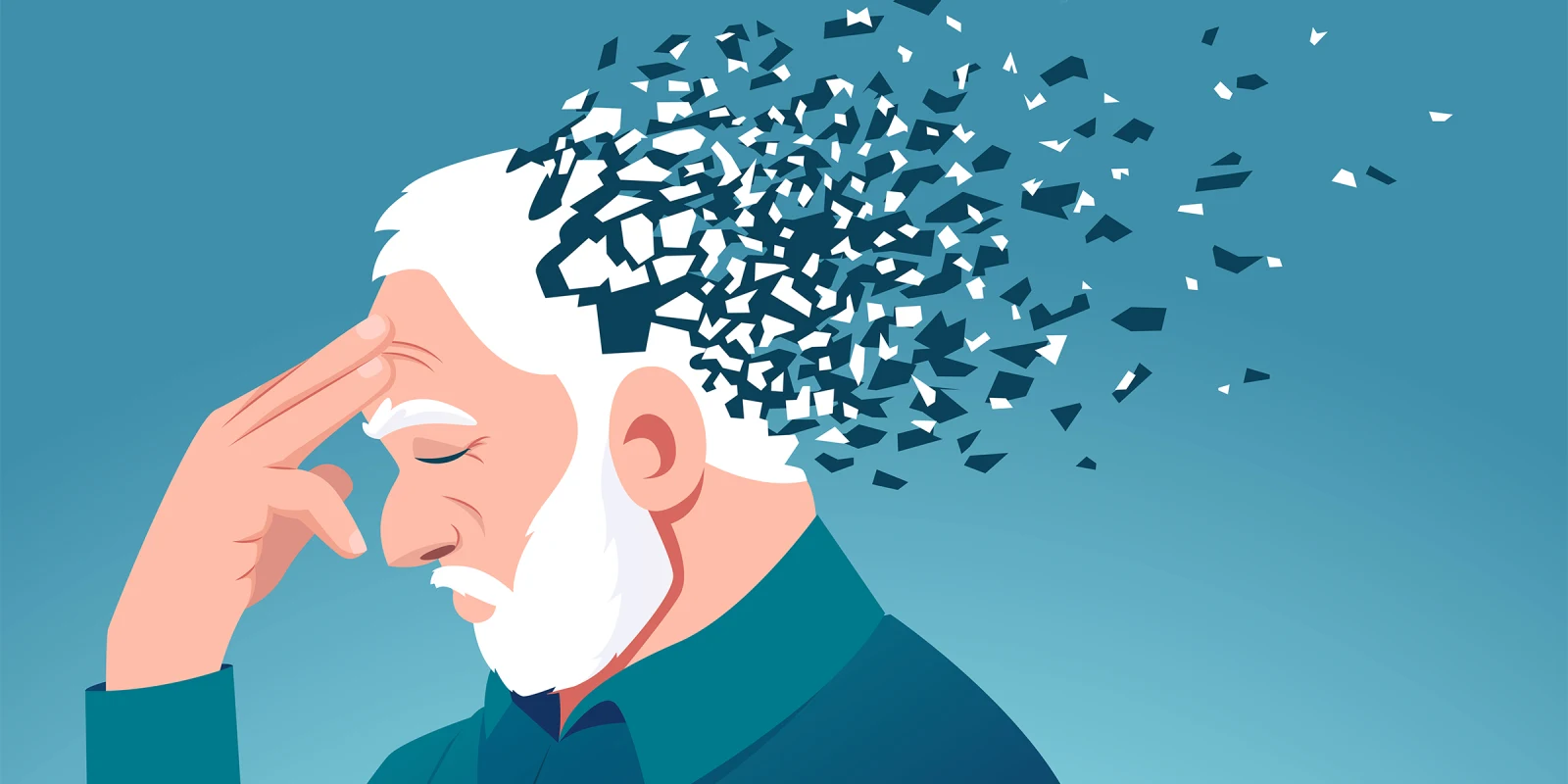
Image by Feodora Chiosea / Getty Images