
Neuromuscular disorders are a true curse on mankind. Neuromuscular diseases afflicting children, such as Duchenne muscular dystrophy (Duchenne MD) and spinal muscular atrophy (SMA), are particularly devastating. Disorders that slowly rob people at any age of movement, self-care, communication, and finally of the very act of breathing without support are cruel beyond imagination.
It is ironic, then, that both my professional and personal experiences with these disorders have left me far more uplifted and inspired than disheartened. Brief examples would do justice to such a paradox better than simple descriptions.
Two patients eventually came to my attention as a pulmonologist, both already in the throes of respiratory failure due to amyotrophic lateral sclerosis (ALS). Both were already on full-time mechanical ventilation through tracheostomy tubes, one after suffering massive aspiration. Her profound acute respiratory distress syndrome (ARDS) imparted a dismal prognosis on its own; coupled with ALS, any meaningful survival was deemed hopeless.
The other patient lived in a trailer park where accommodations barely included paved roadways. ALS had robbed both of these women of the physical act of smiling. But both of them lived for the day, enjoying the love of family and the support of friends. The first participated in ALS walks, directed an astonishing Christmas display around her house every holiday season, and discussed favorite books and movies through an ocular-directed communication device. The other woman managed a complicated ventilator and pulmonary routine despite impoverished life circumstances and enjoyed what she had with her dedicated partner.
Am I giving these people too much credit? Was I seeing only widespread denial, or even delusional faith in an outcome detached from inevitable reality? My answer is based on experiences few have the privilege of encountering: house calls. Seeing these patients when hospital visits became too difficult gave me insight into their everyday lives, rather than just a possibly misleading clinic snapshot. There was no irrational denial of reality.
Both settings were packed with as much medical equipment and access to emergency intervention as any ICU. Measures were in place for unexpected trouble. Advance directives had been filled out. Family members were on board. And yet in none of these homes was there gloom or darkness.
I have mentioned Christmas decorations matching professional interior design. The trailer bustled with pets and boisterous cheer, yet remained clean and orderly. These prolonged visits confirmed as genuine the attitude demonstrated so remarkably during their brief clinic encounters. There was no denial of the circumstances; these patients and their families simply saw life as worth savoring every drop of it.
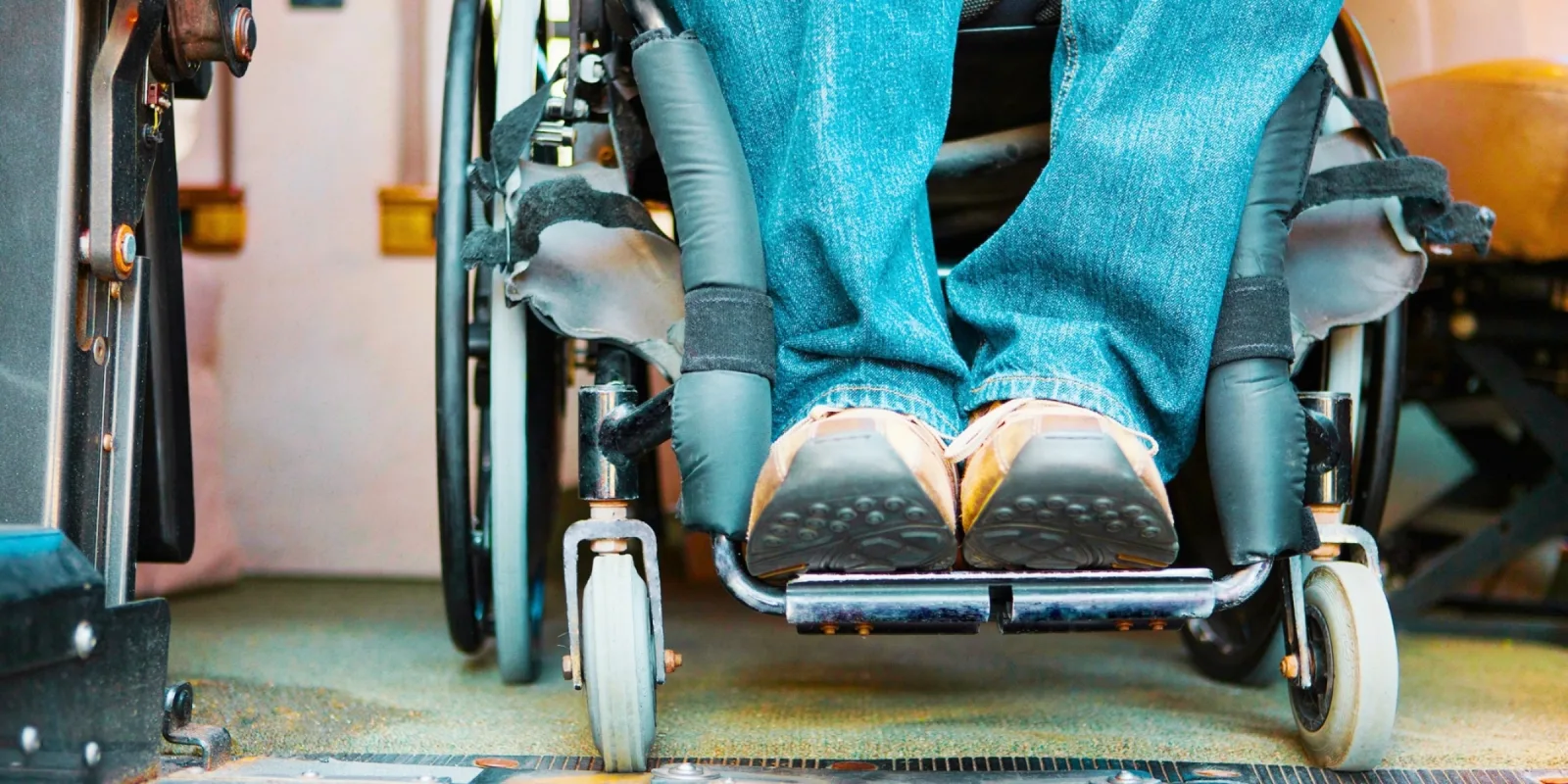
While such insight into way of life and attitude was revealing, was the optimism still possibly performative or exaggerated because I, their physician, was there? My belief in its authenticity comes from an unimpeachable source. The same steadfastness, fortitude, and optimism so contrary to what might be expected were present in my own household; behind the scenes, in front of the scenes, day to day, hour to hour. My son rolled through the barriers of congenital muscular dystrophy in his 250-pound power wheelchair with abandon. Not with denial or an inability to understand what lay before him and around him. It would have been impossible to deny or remain oblivious to his stark immobility, the tracheostomy and feeding tubes, the daily suctioning and chest physiotherapy, four seizure medications, and hospitalizations for respiratory failure and surgeries.
We were admittedly on an eternal edge, always aware that the next seizure, cough, choke, or oxygen reading could send us to the hospital. All except our son himself, who was equally aware but maintained a simple enjoyment of life. After coming out of an all-too-frequent seizure, he would ask about the show he’d been watching as if the loss of consciousness had been nothing more than a commercial break. In the hospital, fighting to avoid intubation, his main annoyance was the inability to get “South Park” or “Law & Order SVU” on the room’s television. Bowling, vacations, plane rides, sledding, apple-picking all remained well within reach between episodes of pneumonia. He was the one putting us at ease.
Certainly such an outlook is not shared by all suffering progressive neuromuscular impairment. Yet, of those I treated, and in the case of my son, I saw only indomitable poise and determination, and a simpler appreciation of life than I typically encounter among many able-bodied people coping with their own more modest adversities. It makes me wonder if those afflicted by insidious genes also share a rogue beneficial gene. A genetic gift, coding for strength and optimism somewhere in their besieged nervous system’s seat of emotion.
Whatever the cause or basis, I consider those who have fallen victim to neuromuscular devastation as setting a very high bar for us mere mortals. I bear personal witness to that high bar for courage, courtesy of my son’s life and unflagging peace of mind. To those healthcare professionals willing to look past the starkness of profound physical infirmity, their attention will evoke inspiration rather than pity. For society in general, this outwardly vulnerable population should inspire respect as they guide their walkers or wheelchairs over obstacles with as much steadfast resolve as they navigate life.