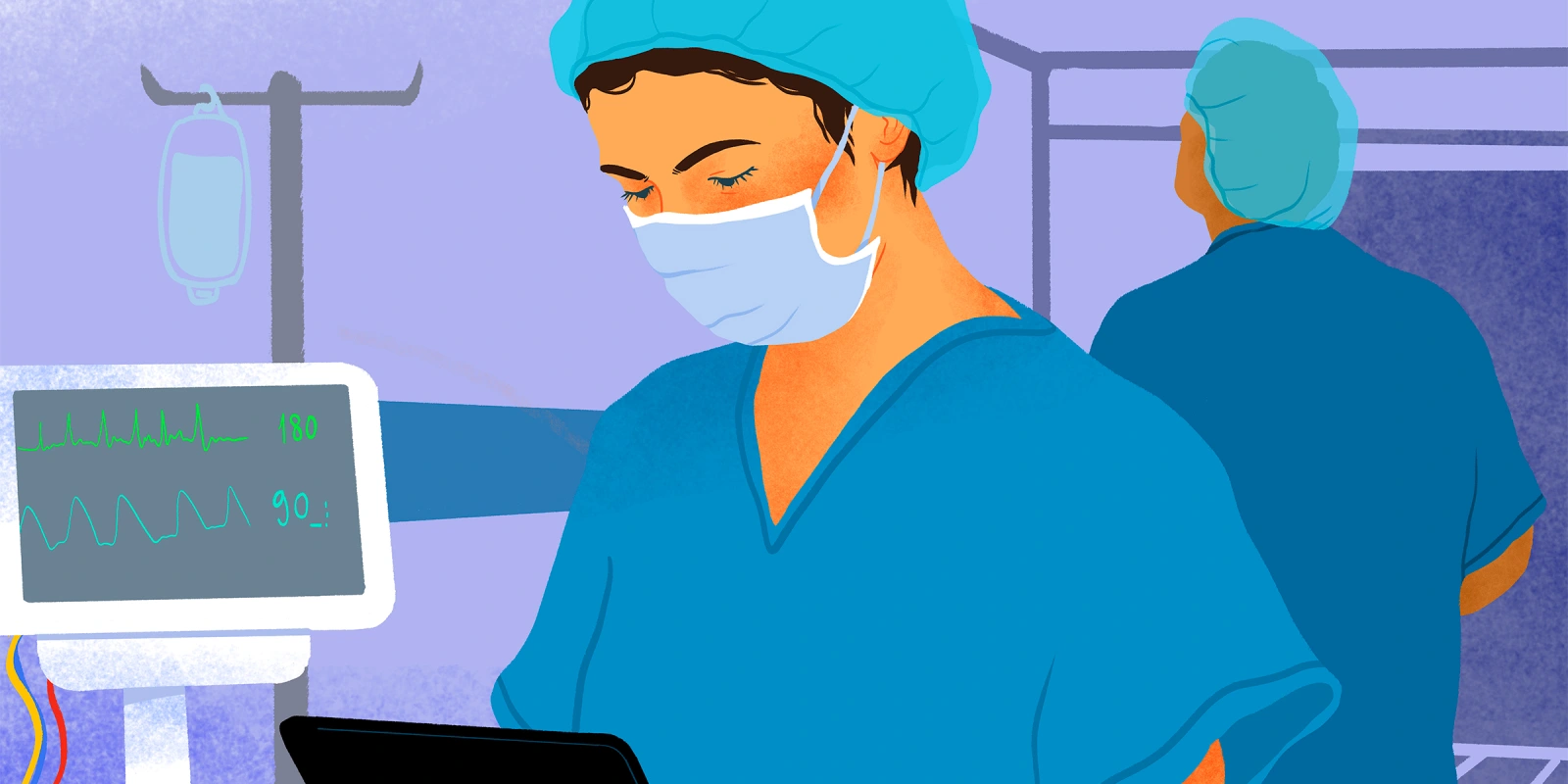
Impending surgery can cause fear and anxiety in our patients. As anesthetists, we often meet patients at a pivotal moment in their healthcare journey, and we are one of the few on the patient care team privileged to call a patient by their first name. Those first few moments matter enormously, because we may only have a brief encounter to establish a relationship before guiding the patient through one of the most vulnerable moments of their life.
I have found it best to introduce myself by my first name and give my title. Next, I address the patient by their first name and ask what name they go by. This will help put the patient at ease. Don’t forget, when waking up the patient, using their preferred name will elicit a response sooner. There are times when my patient may be my boss or my priest, and in that situation, I ask if I may use their first name.
When meeting my patient for the first time, I say, “Hello Michael. I’m Linda. I am a nurse anesthetist, and I will be doing your anesthesia. Do you go by Michael or Mike?” This conversation communicates accessibility, confidence, and a willingness to engage on a personal level, demonstrating that we recognize them as a person and not a task on a busy schedule.
Trust is the foundation of every successful patient relationship, and trust begins with familiarity. Patients who know the name of the person caring for them are more likely to feel comfortable asking questions, expressing concerns, and sharing important information. Even a brief personal introduction can reduce the sense of anonymity that many patients experience in the hospital setting. Effective communication can improve patient satisfaction and reduce anxiety. While a proper introduction may seem like a small gesture, it can have an impact on how patients perceive their care. A patient who feels acknowledged and respected is often calmer and more reassured before anesthesia is administered. This can contribute to a more positive overall experience. As Keri Peterson, DO, notes, such treatment is “the bedrock upon which patient-centered care is built.”
Introductions also reinforce professionalism. Some may mistakenly believe that using first names diminishes professional boundaries. In reality, the opposite is often true. Confidence, competence, and professionalism are demonstrated through actions, communication, and clinical expertise, not through maintaining unnecessary distance. A warm, respectful introduction helps patients feel that they are being cared for by a skilled professional who values them as individuals.
The importance of introductions extends beyond patient comfort. They contribute to a culture of patient-centered care. In healthcare, where technology and efficiency are increasingly emphasized, personal connection remains a vital component of quality care. Taking the time to introduce ourselves reminds both patients and clinicians that medicine is fundamentally a human endeavor.
Many patients may not remember every detail of their anesthetic, but they often remember how they were treated. They remember whether someone looked them in the eye, addressed them by name, and took a moment to establish a connection. Those moments can leave a lasting impression.
As healthcare professionals, we strive every day to provide safe and effective care. Yet one of the simplest ways to improve the patient experience begins before any medication is administered. It starts with a smile, a handshake when appropriate, and a simple introduction. Introductions matter because people matter, and in the brief moments before anesthesia, a personal introduction can help transform fear into trust and uncertainty into reassurance. Patients are not simply cases, procedures, or room numbers; they are individuals who want to be seen, heard, and respected.
What is included in your pre-anesthesia routine with patients? Share in the comments.