
Nothing prepared me for the day I received an email from Medical Legal Counsel stating they had received a subpoena on my behalf. It was a short email, three to four sentences that made my stomach drop to my ankles. I was a competent and confident clinician who carefully weighed every medical, physical, emotional, ethical, and moral decision for my patients. Surely, they had the wrong PA. But those few sentences instantly rocked my world and shook my confidence to its core.
Malpractice is a dirty word to clinicians. We don’t speak of it. But why? Lawsuits are more common than we have been led to believe, with approximately 20,000 medical malpractice lawsuits being filed every year in the U.S. Additionally, an estimated 104,482 clinicians are named in malpractice reports each year.
While I was not named as a defendant in a malpractice lawsuit, I was a witness. One of the first rules of being involved in a case is that you are instructed not to speak to anyone regarding the case or your involvement. It’s as though you have been initiated into some underground Fight Club and sworn to secrecy: you do not talk about it. You are forbidden from trying to speak to another physician or PA who may have gone through this before you. Suddenly, you are alone on an island.
During the "great silence," you are instructed to review the entire patient chart, hundreds of pages of care. I combed through, line by line, carefully reviewing every decision made by every single member of the clinical team. And then I reached my own notes, the orders I had placed, the encounters I documented. Every syllable lay heavy on my heart and mind as I started questioning my own decisions. Each time I reviewed the case, I lost a bit more faith in myself, wondering if there was anything else I could have possibly done differently. I spent hours and hours overanalyzing. I tried to relive the days, recounting each moment — even though the event in question was over five years ago.
There is no way around it — your memory will feel shaky. Every day I tried to be my normal self with colleagues and patients, but the case was always running in the background. I wanted more than anything to reach out to my colleagues and ask how they would deal with this situation. How would they cope? How did they handle the stress and doubt when they experienced a similar situation?
I was not at fault in this case. No one was blaming me, but somehow I felt as though all the lights and eyes were focused on me, my words, my orders. My lawyer and the plaintiff’s certainly made me feel that way. Their job was to question; mine was to hold true to the care I had previously delivered with confidence. But they were breaking me. And I was alone in that witness seat.
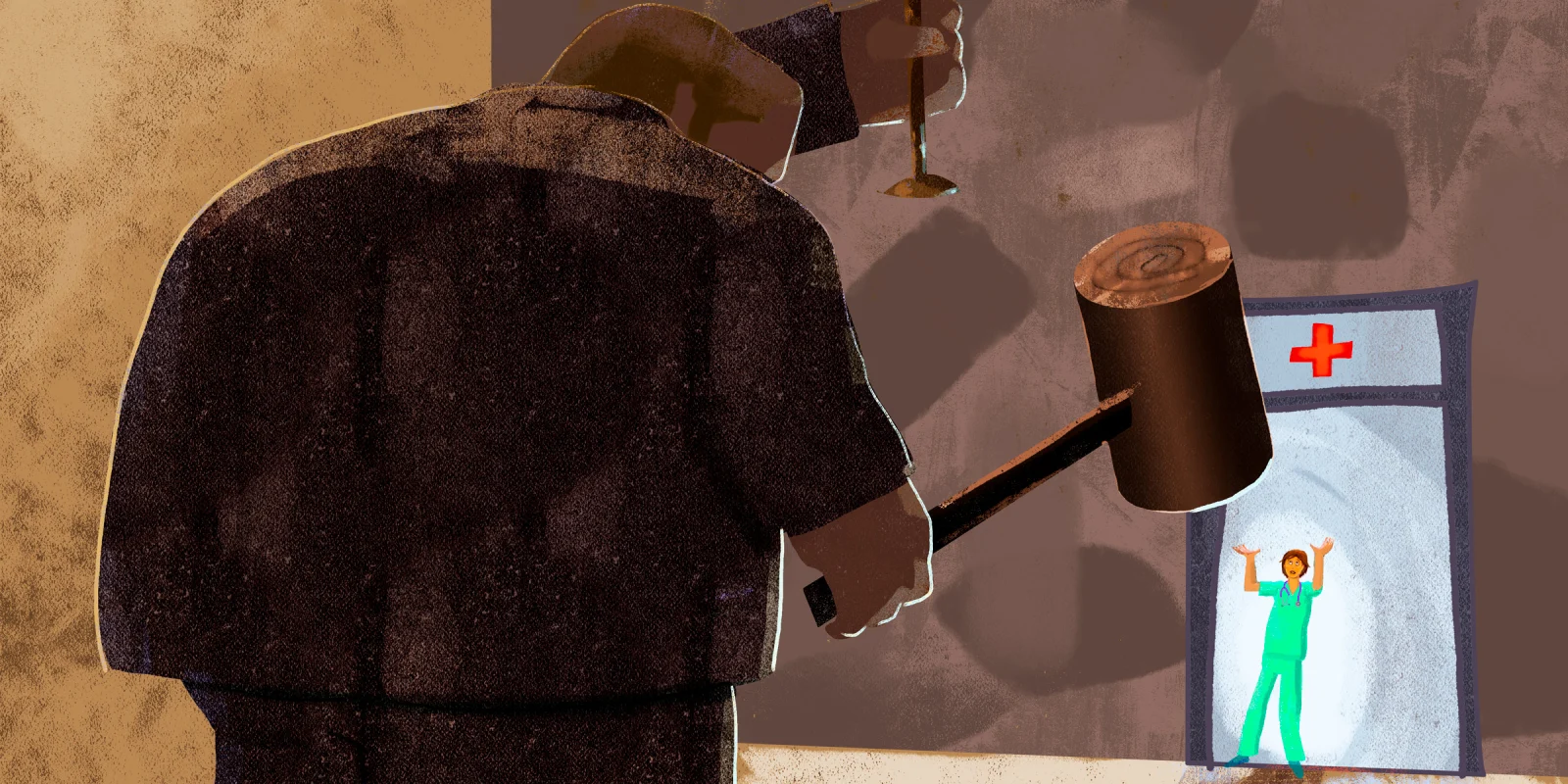
I remember driving home from trial preparations, wishing I could just call someone, anyone. I was becoming an equivalent to a kicked puppy — except it was a plaintiff attorney trying to paint their own picture, one that suggests everyone involved in patient care is incompetent. It begins to seem as though even the valet who parked the car that day will be blamed for merely doing his or her job. Healthcare is a team sport. In a malpractice trial, the entire team is condemned. It may be easy to find a shortcoming in a colleague, but we all work collaboratively to care for patients with empathy, compassion, and evidence-based medical knowledge. The goal of attorneys is to divide us — every man for himself. The personal finish line is not allowing this to happen. Even though I was not at fault, I started to wonder if my colleagues saw me differently.
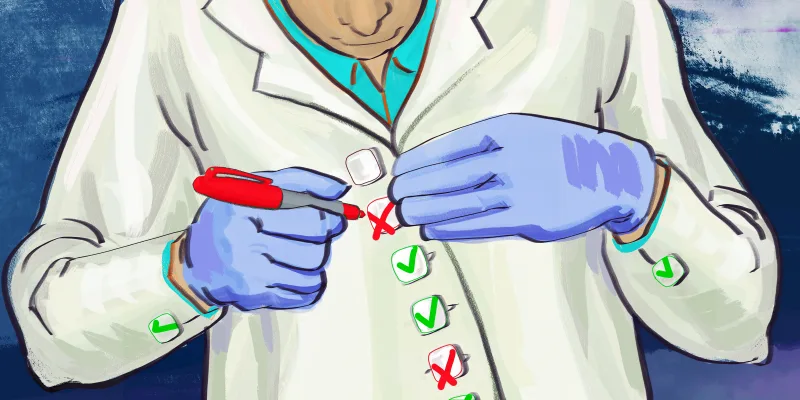
Even more devastating is that I struggled with confidence in my current patient encounters. Every line I typed in a note, I found myself deleting and rewriting multiple times over, wondering how it would sound in a court document. I was meticulous before, but now I was bordering on paranoia. I walked into patient rooms a bit quieter, less self-assured. I found myself more fearful of encounters where a patient or family member was upset. Does this patient feel I am connecting enough with their patient experience? Should I be talking to someone else about their care? Every step, move, and decision is met with hesitation. It is amazing how a group of lawyers can make you doubt the last 10 years of your life.
And then suddenly, the case ended. Years of build-up over in a second. A quick thank-you email for my time and cooperation, and best wishes for the future. I should have been able to exhale, but I couldn’t. Of course, there was a sense of relief at not having to proceed with a trial, but in a way, there was no closure.
For two years, I questioned my abilities; my confidence had been broken. Was I expected to merely bounce back to the clinician I was before being made to dissect every word and decision I had made with a patient? I will say I view encounters differently now, knowing that almost 30% of clinicians will be named in a malpractice suit this year alone. And that does not include the many percentage points more of clinicians who will be called as witnesses and walk a mile in my shoes. It can happen to any one of us.
I am not sure any clinician can ever truly recover from the feeling of questioning one’s competence and career. However, I did learn that I am no longer afraid to say I was a witness in a malpractice case. It is not a forbidden term, but rather one that has taught me I can overcome a struggle in confidence and come out the other side, still performing highly and competently in my role.
As clinicians, we need to remove the stigma from discussing our experiences in these events. After the case was settled, I learned how many other clinicians have also faced this terrible experience. Others have had their confidence shaken to the core. So, to those currently involved in a malpractice case, whether as a defendant or witness, I have a simple message that I wish had been passed on to me: You are not alone on that island, and keep believing in yourself.