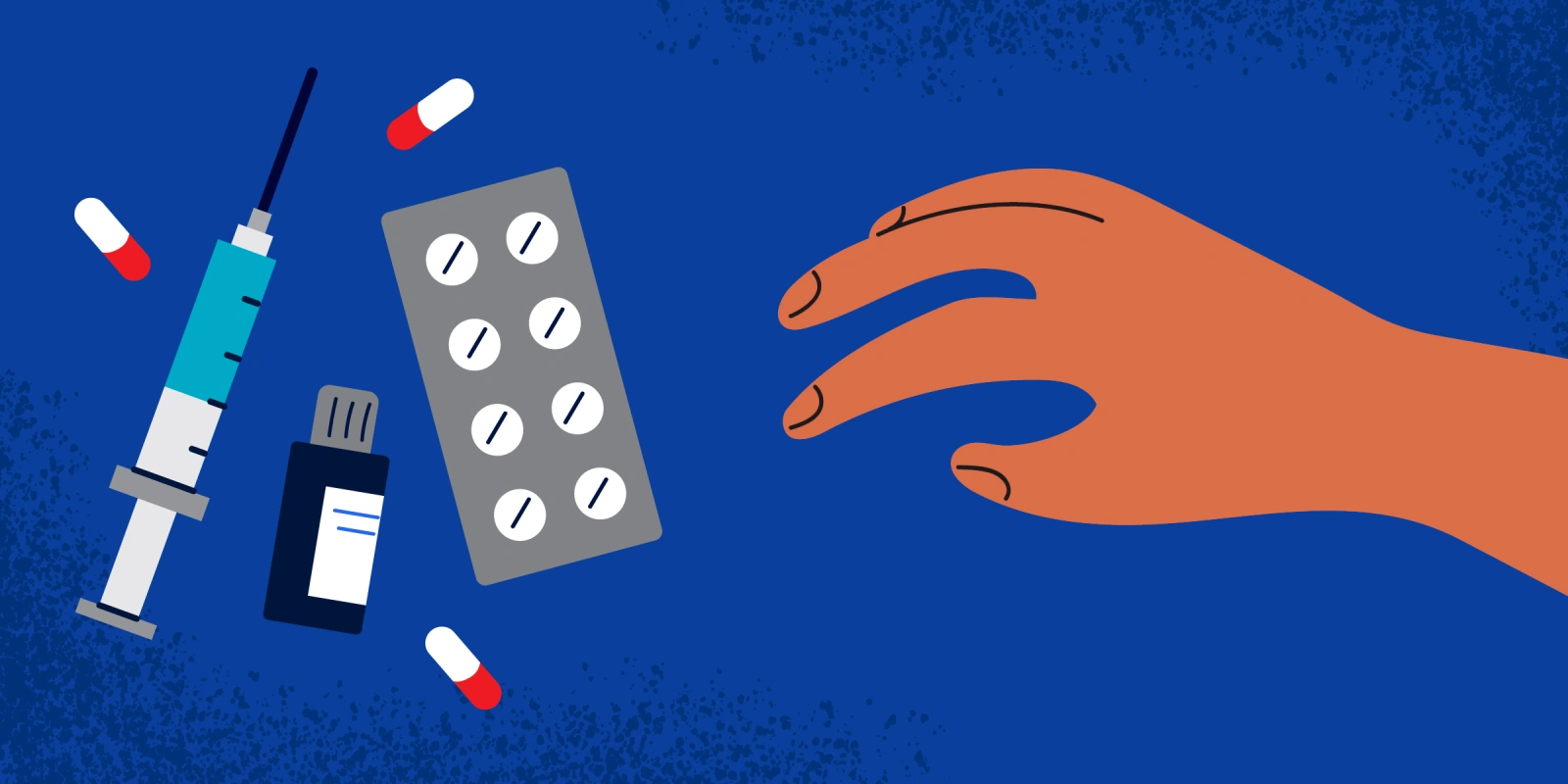

“Oh no, not again,” you think. Bleary-eyed, you feel the unmistakable sensation of a tickle in your throat and the onset of sniffles. You check the medicine cabinet and realize you are out of your sick-day essentials: Tylenol, lozenges, and tissues. So, you head to the nearest pharmacy and grab what you need. Problem solved. Now you just have to wait a few days, and it will be all better.
This is a familiar story to most of us in the U.S. We assume that when we get sick, the medications and supplies we need will be on the shelf, affordable and available immediately. That assumption is one of modern society’s greatest achievements. Behind every pharmacy counter and hospital supply room is an enormous and highly coordinated healthcare supply chain system working well enough to be barely noticed at all.
Now, imagine the same trip ending differently. You drive to the nearest store and find the shelves are empty. Another pharmacy across town still has what you need, but prices have surged and the line is already spilling out the door. You are left deciding whether to wait in line, drive farther, or “tough it out.” What feels, at first, like a minor inconvenience quickly becomes something larger: a reminder that healthcare depends not only on medications, but on the systems that move them.
The last several years have made these systems impossible to ignore. Most of us recall the early days of the COVID-19 pandemic, when supply disruptions resulted in PPE, ventilators, and essential medications all becoming harder to get at a critical time. Even though procurement systems eventually adapted, the initial shock caused ripples that continue to persist. And the pandemic was not an isolated event. Extreme weather events, tariffs, and geopolitical instability have compounded over the last few years to expose the fragility of the supply chain. These events illustrate how, in our globalized economy, what may appear to be a localized disruption can eventually show up in EDs, infusion centers, and community pharmacies. They alter how care is delivered and, at times, whether it can be delivered at all.
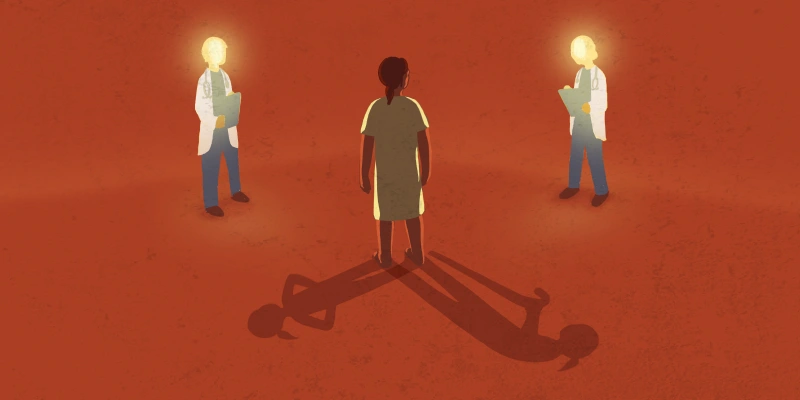
This new reality of the healthcare system should matter not only to patients and clinicians, but also to the institutions responsible for training future physicians. Medical schools teach students how to make evidence-based decisions, but those decisions often rest on an unstated assumption: that the tests, medications, and supplies we rely on will be available when we need them. But that assumption breaks down in the face of shortages. It quickly becomes apparent that availability isn’t separate from care, but rather shapes it. For that reason, supply chain disruptions should be viewed as patient-safety issues and not merely operational challenges.
Medicine invests enormous effort in reducing diagnostic and treatment errors, yet we are comparatively less prepared to address a different kind of risk: the inability to deliver the intended care at all. A delayed medication, a forced substitution, or missing equipment can alter clinical decisions in real time. I saw this firsthand during my clinical rotations at a large county hospital. After Hurricane Helene damaged a critical IV fluid manufacturing plant in North Carolina in September 2024, the hospital administration placed restrictions on certain types of fluid orders for weeks. In a large hospital, that meant essential fluids were rationed across thousands of patients while the institution faced a backorder on a product that is usually taken for granted.
This does not mean medical schools need to turn students into supply chain specialists. It does mean, however, that they should acknowledge that healthcare delivery depends on more than clinical knowledge alone. Several schools, including mine, have already made real efforts to incorporate quality improvement and systems-based practices into our curricula. These classes present excellent opportunities to have case discussions and simulation training scenarios around topics like drug shortages, substitutions, and resource constraints. Clinical rotations could also include conversations about how hospitals plan for shortages that can change patient management. And because physicians already rely heavily on pharmacists and supply teams to navigate shortages, there is also room for more deliberate interprofessional teaching on how these decisions are made and communicated.
Medical schools often say they are preparing students for the realities of modern medicine. If that is true, then supply chain literacy belongs in the curriculum. Today’s physicians do not practice in a vacuum. They work within systems whose vulnerabilities increasingly shape what care is actually possible. And while seeing clinicians pivot their decision-making in real time in response to disaster scenarios is valuable learning, medical schools should not wait for the next emergency to teach students how fragile healthcare delivery can become when supply chains fail. Preparing future doctors to understand those vulnerabilities ahead of time is part of preparing them to care for patients safely, responsibly, and effectively.
Do you think supply chain literacy should become part of medical education?