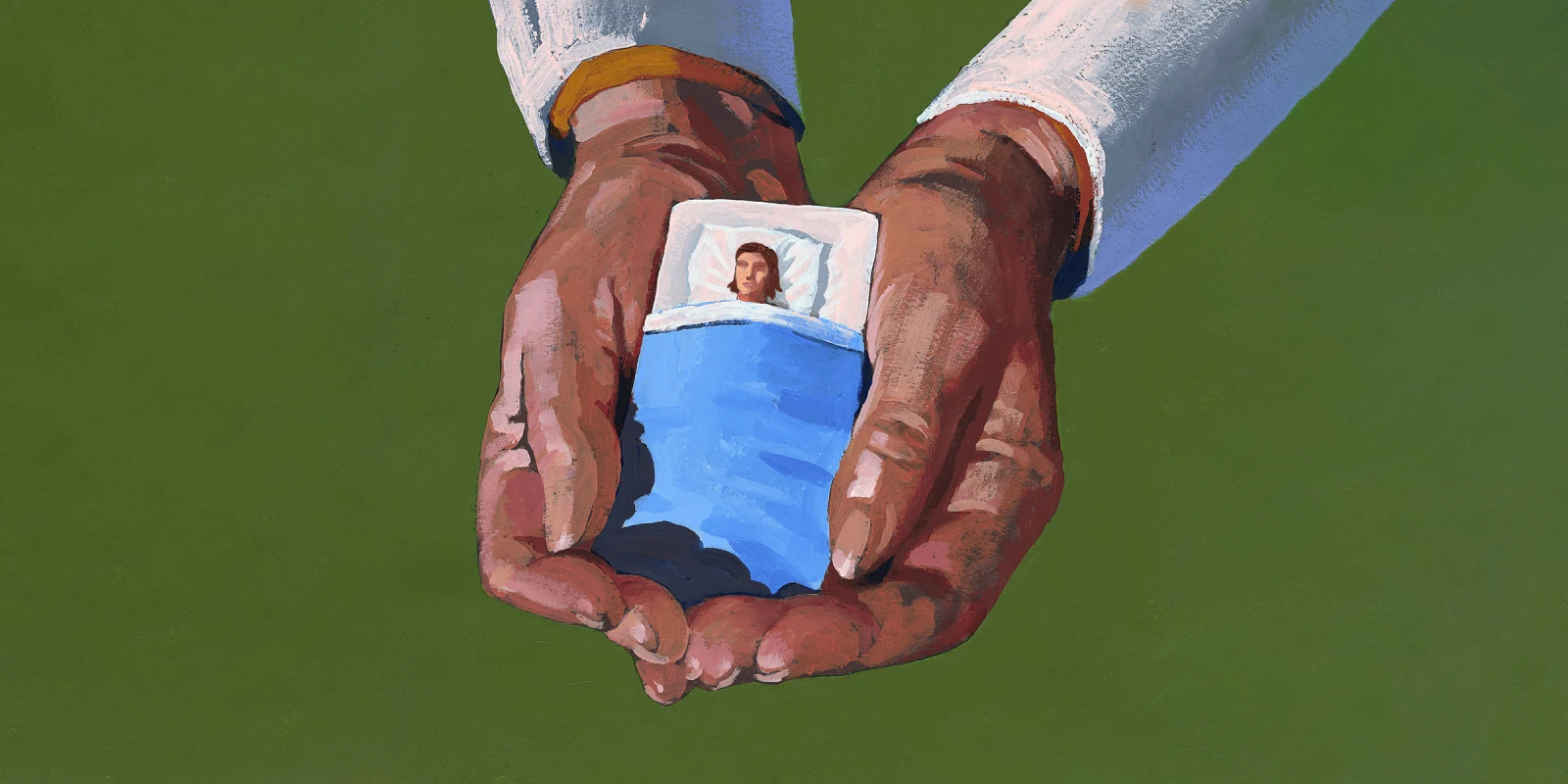

I grew up in a small town in El Salvador where empathy was one of the few currencies we had. Widows raising children alone after displacement or illness, neighbors sharing whatever they could even when they didn't have much — our way of saying “I see you” was always through words of affirmation. When someone was hurt, we comforted them with stories, presence, and spoken care. That upbringing shaped me long before I stepped into a hospital.
In medicine, that same empathy feels like a liability. The longer I spend on the wards, the more I notice how compassion becomes something rationed, given freely to some patients and withheld from others. As a student, I have struggled with this tension. Wanting to connect deeply while watching the realities of exhaustion and efficiency shape the way teams interact with patients.
On my orthopaedic surgery rotation, I met a man whose arm had been destroyed by years of injection drug use and recurrent infections. Amputation was the only option left. As the resident examined him, I could sense a quiet frustration. Why did it so long for him to come? Can we really help? Standing beside them, I felt myself absorb their fatigue. My instinct to empathize dulled, and in that moment, compassion felt less like gift and more like a burden I wasn’t sure I could afford.
A similar pattern emerged on my internal medicine rotation. I met a patient with end-stage liver failure from alcoholism. He refused an addiction medicine consult, assuring us he could quit on his own. His prognosis was bleak, and I could see how hard it was for the team to respond with patience when his choices seemed so self-defeating. Again, I felt myself hesitate to feel empathy, as though caring too much might slow the efficiency medicine seemed to demand.
And yet, when palliative care was consulted, the tone shifted. In those rooms, empathy was not conditional. Physicians balanced truth-telling with compassion, acknowledging suffering without judgment. They did not withhold care from those whose illnesses were born of choices, nor did they extend it only to those deemed blameless. Their empathy was not effortless, but intentional. Watching them reminded me that compassion, practiced deliberately, is not a drain on medicine; it is an essential part of it.
As I reflected on these experiences, I realized I carried an additional layer of conflict. In medicine, too much empathy can be seen as weakness, a softness that undermines decisiveness. But in my culture, empathy has always been strength.
This perspective came into sharp relief on my family medicine rotation at a Spanish-speaking clinic. Patients welcomed me into their lives not only through labs and imaging reports but through stories, gestures, and words of gratitude. I leaned on my Spanish, and on the way I knew my community spoke to one another. I noticed that patients responded not just to my words but to my willingness to stay with them in their suffering, even when I could not fix it. That connection was healing in itself, something medicine sometimes forgets to build.
I do not blame residents or attendings when empathy falters. Their days are long, their lists overwhelming. Carrying emotion while making decisions is heavy. Efficiency demands guardrails. I have seen how hard it is to balance connection with competence. But I also worry about the risk of letting empathy slip too far from view. The teenager with osteosarcoma who loses a limb elicits compassion easily. The patient who loses a limb to addiction does not. Yet, both suffer. Both deserve to be seen fully.
Perhaps empathy is not about choosing between sentimentality and stoicism but about practicing balance; learning when to step closer and when to step back, while never forgetting that our patients are human beings first. Just as we practice physical exams or our surgical technique, empathy too must be cultivated deliberately, even when time is short.
My culture taught me that words can heal and presence matters. As I continue my training, I want to hold tightly to that. I want compassion to be something I never ration. Empathy may sometimes feel like a liability in medicine, but in truth, it is our greatest strength.
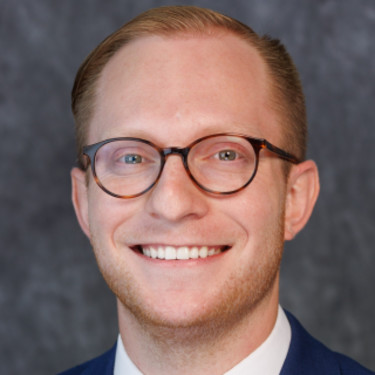
Silvia Soule is a third-year medical student at the University of Utah School of Medicine in Salt Lake City, UT. She is interested in orthopaedic surgery and passionate about advocacy, DEIA work, and medical education.
Image by Jonathan Evans / Getty