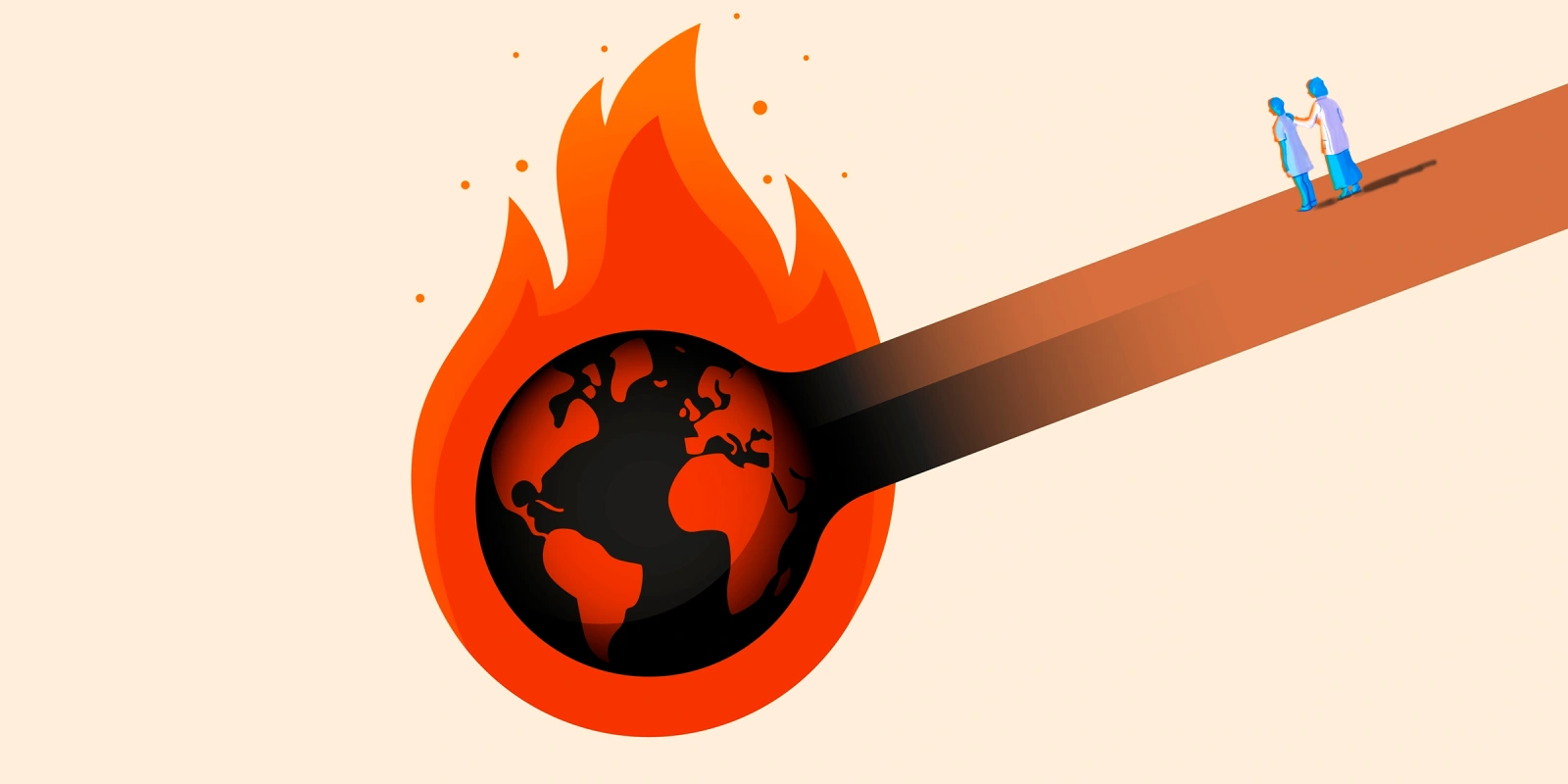

As a medical student, I entered medicine with one goal: to help people heal. Throughout my clinical rotations, I quickly realized that many of the illnesses I saw, from asthma flares and heat strokes, to even heart attacks are no longer caused solely by lifestyle or genetics. They are being driven by something much larger: climate change. My interest in medicine cannot be separated from my concern for the planet. The two are inextricably intertwined, because the health of our bodies depends on the health of our environment.
At first glance, climate change and personal health may seem worlds apart. One feels formidable, dictated by global politics and industry, while the other is personal, shaped by our daily choices and behaviors. However, in reality, they share a core truth: prevention matters. Just like doctors counsel patients to quit smoking to prevent lung cancer, we must push for cleaner air to prevent asthma. Just like we urge patients to manage blood pressure to avoid strokes, we must recognize how heat waves amplify cardiovascular risk. These connections are not abstract. They show up in ER visits, in primary care offices, in the lived experiences of patients.
While no individual can stop climate change, each person can make choices that protect their health in a warming world. Clinicians can frame this not as doom, but as agency: advising patients to avoid outdoor exertion during heat advisories, to use air purifiers when wildfire smoke drifts in, or to wear protective masks in regions near coal plants. These are small, tangible steps that help people feel less helpless and more resilient. For clinicians themselves, optimism is essential, not naïve. Medicine has always been practiced in uncertain environments, whether during pandemics, emerging infectious diseases, or health inequities. What sustains us is the knowledge that interventions, however small, can alter the trajectory of a patient’s life. Climate change is no different. Every counseling session about heat safety, every proactive prescription of an inhaler during wildfire season, every effort to reduce the hospital’s own carbon footprint is a way of shaping the future of health. Optimism, in this sense, becomes not blind hope but an active commitment to care.
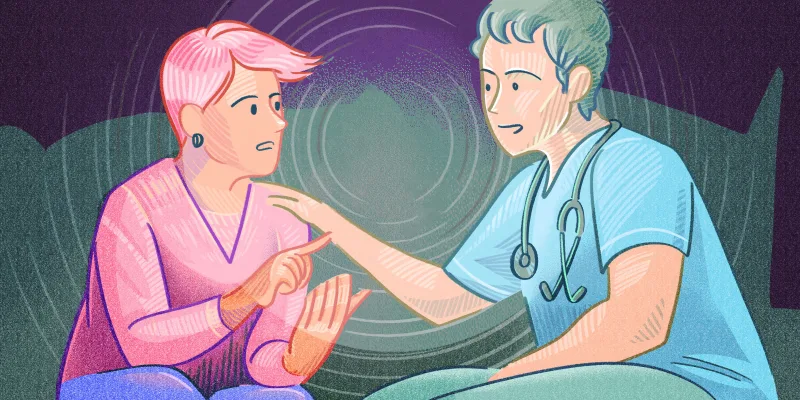
Importantly, we must normalize talking to patients about climate-linked risks in the same way we already talk about diet or smoking. This isn’t a political stance; it’s clinical practice. A pediatrician warning parents about the dangers of smog to their child’s lungs is doing the same work as when they recommend vaccines. An internist reminding an elderly patient to stay indoors during triple-digit heat is practicing the same prevention that underlies all good medicine.
Clinicians can combat climate change by acting both inside and outside the classroom. Within medical education, they can lobby educational committees and accreditation bodies like the LCME and NBME to include climate health content on board exams, ensuring students are tested on topics such as heat-related illness, wildfire exposure, and vector-borne disease. Faculty can develop case studies, simulations, or electives that explicitly link climate events to patient care. Outside academia, clinicians can use their authority to push for policies that reduce the health care sector’s massive carbon emissions, such as advocating for hospital sustainability standards, electrifying medical transport, or cutting reliance on single-use plastics. They can also testify at state legislatures or Congress about the direct health impacts they see, making the medical case for stronger climate action. By combining curricular reform with policy advocacy, physicians can shape both how medicine is taught and how society responds.
Our exam rooms are no longer insulated from the outside world. When the air outside is toxic, when the temperature is unbearable, or when floods displace communities, those realities follow patients into clinics and hospitals. To acknowledge and address these realities is to practice medicine in its fullest form by caring not just for the patient in front of us, but for the conditions that shape their health long before they arrive in our offices.
The truth is simple: climate change is here … but so is medicine. If we are willing to face it head on, counsel with care, and lead with both evidence and hope, we can help patients navigate their new reality. Healing in the 21st century will require not only treating illness, but also preparing people for the world in which illness now occurs. That, too, is medicine, and it is medicine worth practicing.
How do you talk to patients about the health impacts of climate change? Share your strategies in the comments.
Sidhvi Reddy is a fourth-year medical student in Birmingham, AL. She enjoys reading, traveling, cooking, and trying out new restaurants. Sidhvi is a 2025–2026 Doximity Op-Med Fellow.
Collage by Jennifer Bogartz / vern.design.lab / Shutterstock