
We sat in a windowless conference room just outside the PICU, delivering the worst news any parent can ever receive. While my patient’s father cried and pleaded, “Why can’t you save my boy?” all I could think of were the pictures the family had placed on the walls of his room of the patient playing Little League baseball. This was a life with so much potential, but despite all of modern medicine’s capabilities, we had nothing more to offer.
My patient died that afternoon. For several nights after, I had trouble sleeping, continuously replaying that PICU conversation. The patient had standard-risk acute lymphoblastic leukemia, a cancer that is frequently highlighted as one of our greatest successes in pediatric oncology due to a documented 5-year survival rate of more than 90%. This, compared to the dismal outcomes in the 1940s, when Sidney Farber began the first treatments in pediatric leukemias with antimetabolites. But 90% survival meant nothing to this boy. Nothing to his family.
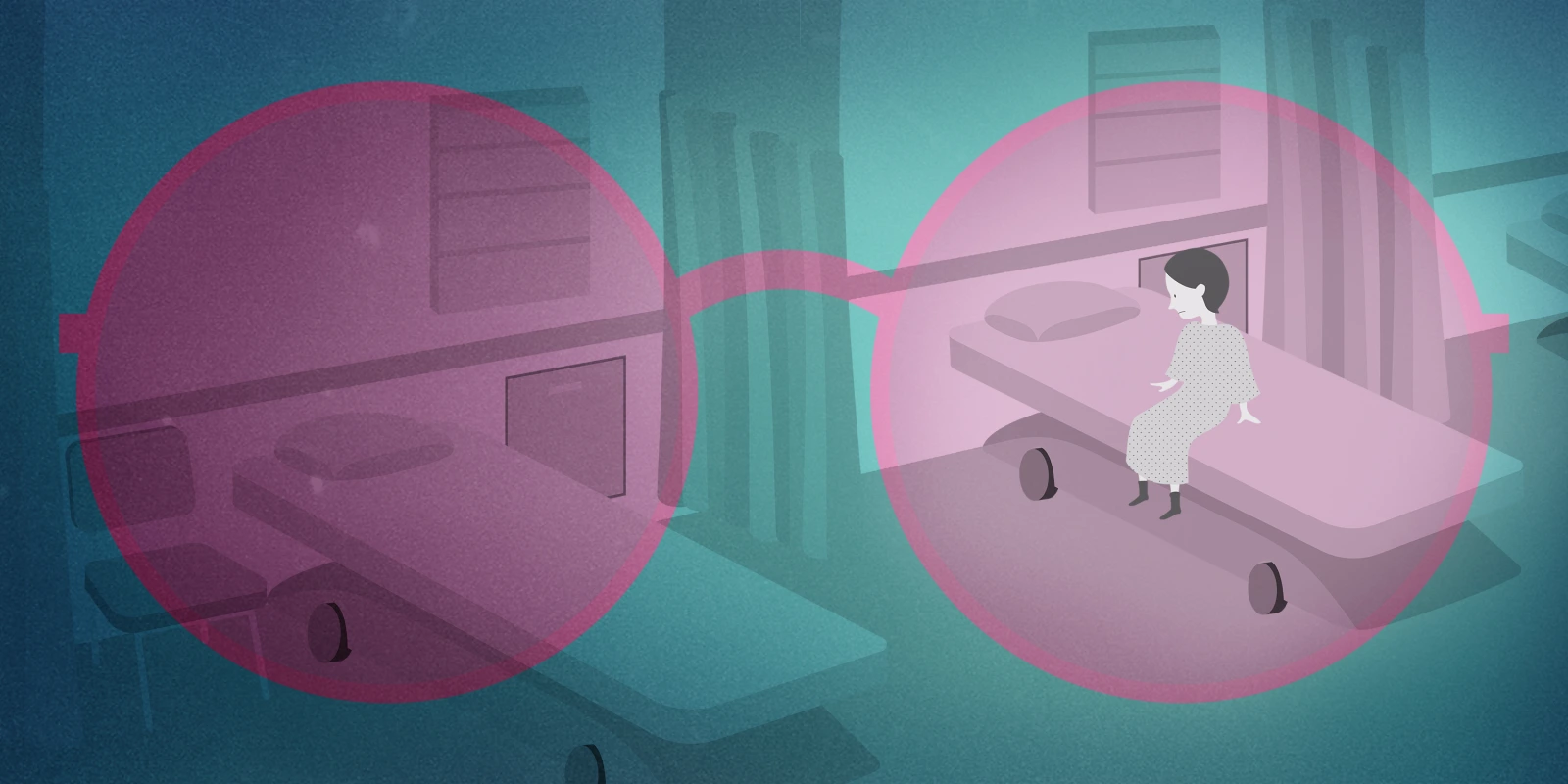
Across the pediatric cancer literature, the 5-year survival rate is used as the baseline metric to monitor the success of our field. Gains in 5-year survival have been impressive when compared to the 1940s, when treating childhood cancer was in its infancy. When this message is co-opted by the lay media, the reality of childhood cancer is distorted to the point that our society has an unrealistic, rosy view of it. Based on statistics between the years of 2015 and 2021, 5-year survival for all childhood cancers combined has now reached approximately 87%. Leukemia, at more than 90%, pulls that average up; for many brain tumors and for children whose cancer relapses, the numbers are far lower. While these greatly improved 5-year survival statistics are a remarkable achievement, the true, human meaning of this statistic is often glossed over.
So, what does 5-year survival actually mean? First, to achieve this high rate of 5-year survival, patients must go through a wide range of toxic therapies that are costly to deliver and difficult to endure. As oncologists, managing these acute side effects takes up a large part of our day-to-day activities in the clinical realm. Cancer therapy turns the lives of children and their families upside down, impacting school and work attendance. There is an immense emotional strain, alongside costly medical bills.
Beyond all these difficult circumstances, the insufficiency of the 5-year survival rate is best characterized by what is lost. Cancer remains the leading cause of death by disease for children in the U.S. A survival rate of 87% still means that roughly 1 in 8 children will not survive 5 years past their diagnosis. That equates to approximately 1,600 children and adolescents each year. And because the average age of cancer diagnosis in children is 10 years old, each of those deaths costs 67 years of life, or more than 100,000 life years lost annually. When viewed in aggregate, the toll of childhood cancer in life years lost is equal to many adult cancers, which occur in far greater frequency.
Early in my faculty career, I attended a campuswide meeting during which an institutional leader gave updates on our research objectives. At one point, he used the 5-year survival statistic of 95% in pediatric leukemia to highlight the importance of our research mission. I remember immediately recoiling at the statement, not because of the attention on my field, but because of how it was likely to be perceived. His point was not that we needed to continue to pursue childhood cancer with greater intensity. Rather, it was to promote spending in other areas of our research endeavor, because that work had the potential to transform outcomes, similar to what had been accomplished in pediatric leukemia. In my view, this illustration had two core issues. First, it insinuated to faculty who did not have a detailed understanding of childhood cancer that we had already won the battle. Second, and more devastating, was the likely outcome that research efforts in childhood cancer would be de-emphasized at our institution.
The boy in those Little League photos will not get the opportunity to play another season, to grow up and pursue his baseball dreams. The 5-year survival rate is meaningless to this boy and his family. We should celebrate the impressive gains our field has achieved since the advent of modern chemotherapy. But let’s not allow our success to obscure the ultimate goal: that no child dies from cancer and that each lives a long and healthy life thereafter.